



There are fabrics that simply finish a room, and then there are textiles that set its emotional tone from the outset. Pierre Frey fabrics belong firmly in the second category. For clients shaping a home with depth, individuality and a sense of cultivated ease, they offer far more than surface appeal – they bring history, artistic character and a distinctly confident approach to decoration.
What makes the house so compelling is its range. Few fabric brands move as comfortably between decorative exuberance and restraint. One collection may present a large-scale print with painterly confidence, while another offers a tactile weave whose luxury lies in subtle texture and impeccably judged colour. That breadth matters in high-end interiors, where every room should feel connected, yet never repetitive.
What sets Pierre Frey fabrics apart
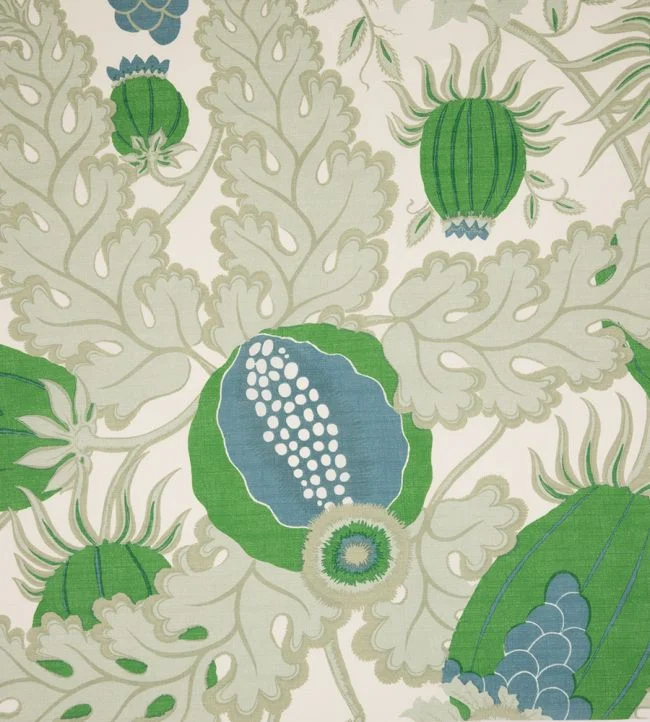
Pierre Frey is often recognised for its expressive use of pattern and colour, but reducing the brand to bold prints misses the point. Its strength lies in how design, craftsmanship and versatility are held in balance. The collections feel cultured rather than decorative for decoration’s sake. They reference art, travel, heritage ateliers and historic documents, yet they remain relevant in contemporary spaces.
For discerning homeowners and designers, this balance is invaluable. A fabric can be visually arresting, but if it does not sit comfortably within architecture, lighting and furniture, it risks becoming a gesture rather than a lasting decision. Pierre Frey understands how textiles operate within a room as a whole. Even the more dramatic designs tend to have a compositional intelligence that allows them to live well alongside stone, timber, bronze, plaster and quiet architectural lines.
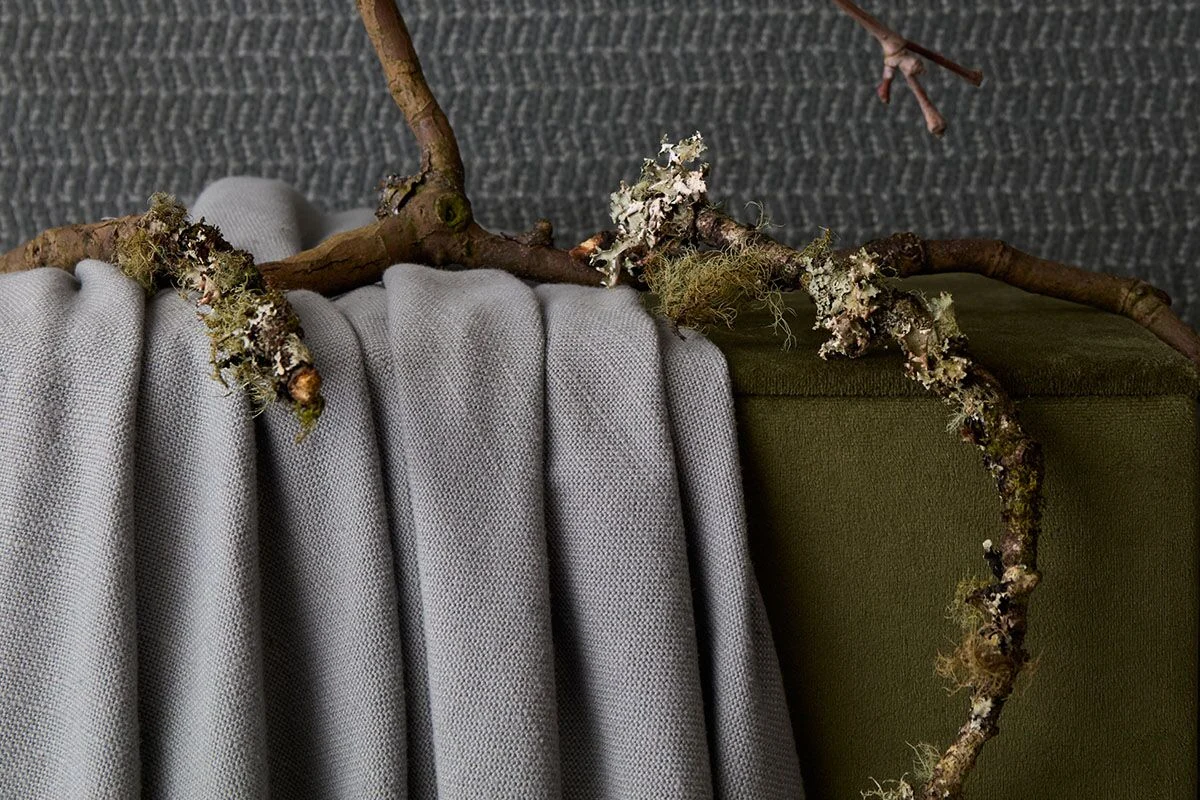
There is also a tactile sophistication to the collections. Linen, velvet, bouclé, embroidery and structured woven cloths each bring a different atmosphere. Some create softness and intimacy. Others introduce rhythm, tension or glamour. The effect is not one of trend, but of rooms being composed with intention.
Where Pierre Frey fabrics work best
The obvious answer is upholstery and curtains, but that is only the starting point. In a well-considered interior, fabric influences how a space feels acoustically, visually and emotionally. It can soften scale in a large reception room, bring intimacy to a principal bedroom, or give a quieter architectural scheme just enough character.
Upholstery with presence
Pierre Frey performs particularly well on statement upholstery. That might mean a pair of sculptural armchairs in a drawing room, a tailored sofa in a formal sitting area, or a banquette in a dining space that needs both comfort and personality. Patterned upholstery can be transformative, but it requires discipline. In a room already rich with art, decorative lighting and strong materials, a calmer woven textile may be the more intelligent choice.
By contrast, in interiors where the architecture is deliberately restrained, a more expressive Pierre Frey design can provide the room’s narrative centre. This is where scale becomes critical. A print that feels exquisite on a hanger can become visually restless across a large sofa, while a design with generous movement may suddenly make sense once upholstered.
Drapery that shapes atmosphere
Curtains are often treated as background, yet in luxury interiors they have enormous influence. They frame views, control light, affect acoustics and determine whether a room feels crisp or enveloping. Pierre Frey fabrics for drapery excel when a client wants softness without blandness.
This does not always mean overt pattern. A lightly textured linen or woven stripe can bring just enough variation to catch changing daylight beautifully. In formal rooms, layered drapery with interlining can create depth and poise. In more relaxed schemes, a washed linen with a refined hand may deliver precisely the understated luxury a property needs.
Accent pieces and unexpected applications
Some of the most successful uses of luxury textiles appear in smaller moments: a headboard with subtle texture, an ottoman in a bouclè, lined wall panels in a study, or dining chair seats that quietly connect a larger scheme. These are often the decisions that make a house feel resolved.
For hospitality-inspired residential interiors, Pierre Frey can also be used to create shifts in mood from space to space. A calm family room may lead into a more theatrical bar or formal entertaining room, with textiles helping to mark that transition. The best schemes do not repeat fabric mechanically – they build a conversation between materials.
How to choose the right Pierre Frey fabric
Selection should never begin with pattern alone. In luxury residential design, fabric has to answer both aesthetic and practical questions. A beautiful textile in the wrong setting quickly becomes a compromise.
Start with the role of the room. A principal sitting room used mainly for entertaining allows for greater delicacy than a family room with heavy daily use. A guest bedroom can carry more decorative character than a multifunctional snug. Performance, durability and maintenance matter, especially for upholstery.
Then consider the architecture. High ceilings, generous glazing and classical detailing can support fabrics with more scale and visual movement. Compact rooms, by contrast, often benefit from texture, smaller repeats or more tonal colour. That said, there are exceptions. A jewel-box powder room or an intimate library can be the perfect setting for a confident textile with real personality.
Colour should be judged in relation to the entire interior palette, not in isolation. Pierre Frey is particularly adept at nuanced colouration – shades that feel layered rather than flat. That complexity is one reason the fabrics sit so beautifully with natural materials and curated furnishings. But it also means samples need to be reviewed in the room itself, across morning and evening light, and alongside flooring, paint, cabinetry and finishes.
Pattern, restraint and the art of balance
One of the more common mistakes in luxury interiors is assuming that a distinguished fabric house should always be used in its most visible register. In practice, the most elegant rooms often pair one assertive textile with several quieter companions. A patterned curtain may need a plain upholstered sofa. A textured bouclé armchair may work best against a wallcovering with subtle movement rather than another strong motif.
This is where Pierre Frey becomes especially useful. The house offers enough breadth to build contrast within a coherent language. That allows a scheme to feel layered, not busy. A room should reveal itself gradually. Immediate impact has its place, but enduring interiors rely on depth.
There is also a question of taste versus theatre. For some clients, a bravura print across a full-height curtain is exactly the right move. For others, luxury lies in texture, drape and craftsmanship that register quietly. Neither approach is inherently superior. The success comes from knowing which one suits the property, the client and the intended mood.
Pierre Frey fabrics in contemporary homes
Although the brand carries heritage and decorative credibility, Pierre Frey fabrics are not limited to traditional settings. In contemporary interiors, they can introduce warmth, soul and a welcome counterpoint to harder architectural elements.
A clean-lined penthouse with stone floors, bronze detailing and sculptural lighting can benefit enormously from the softness of woven textiles and the complexity of artisanal pattern. In these settings, fabric becomes a way to prevent minimalism from feeling cold. The right textile introduces humanity.
Equally, in country houses or period properties, Pierre Frey can help avoid pastiche. Rather than leaning too heavily into historical references, the collections can be used to refresh a room with a more edited sensibility. A classic architectural envelope paired with modern furniture and richly considered textiles often feels far more convincing than a scheme that tries to reproduce the past literally.
Why craftsmanship still matters
At the luxury end of the market, fabric is not a disposable decision. It is part of the long-term value of a home. Well-chosen textiles wear in, rather than wear out. They age alongside joinery, stone, antiques and commissioned furniture. That is why craftsmanship matters as much as aesthetics.
Pierre Frey’s enduring appeal lies partly in this quality of permanence. The designs may feel expressive, but they are underpinned by technical understanding and a respect for material integrity. For clients investing in bespoke interiors, this is not incidental. It is the difference between a room that looks complete on installation day and one that still feels compelling years later.
In practice, this also means fabric should be specified with care. Upholstery details, curtain fullness, trims, rub tests and linings all influence the final result. The textile itself is only one part of the composition. Execution determines whether it feels merely expensive or genuinely refined.
For those building a home with a strong point of view, Pierre Frey fabrics offer something increasingly rare: decoration with intellect behind it. They can be expressive without feeling obvious, luxurious without excess, and timeless without slipping into predictability. The most memorable interiors are not assembled from beautiful pieces alone. They are shaped through decisions that hold emotion, discipline and material depth in equal measure – and fabric is often where that balance begins.

23rd May, 2026

22nd May, 2026