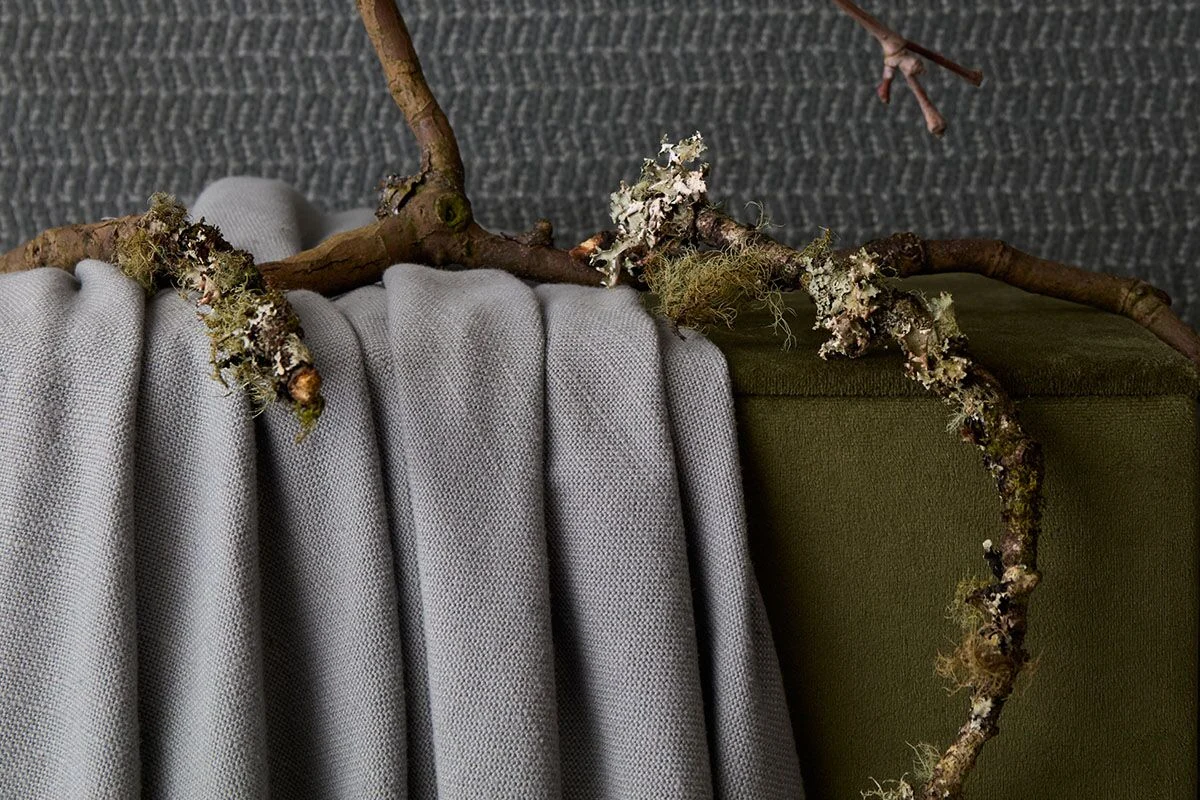


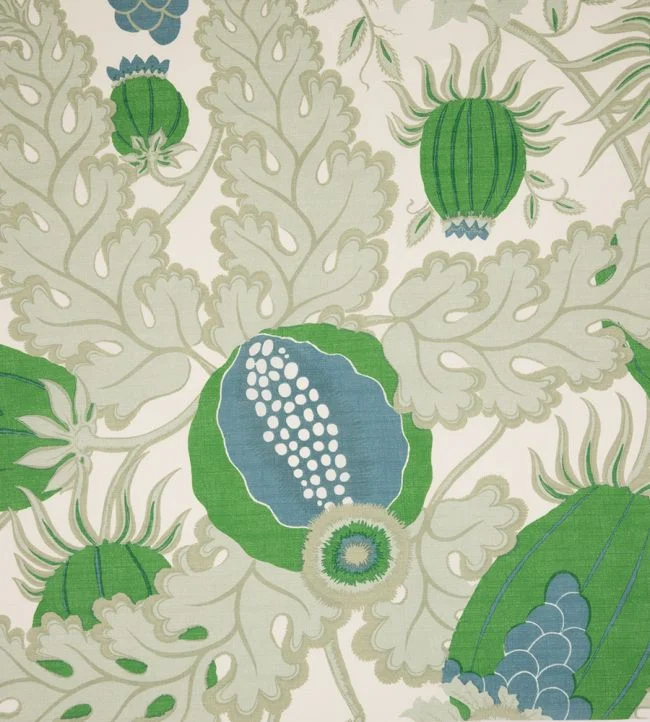


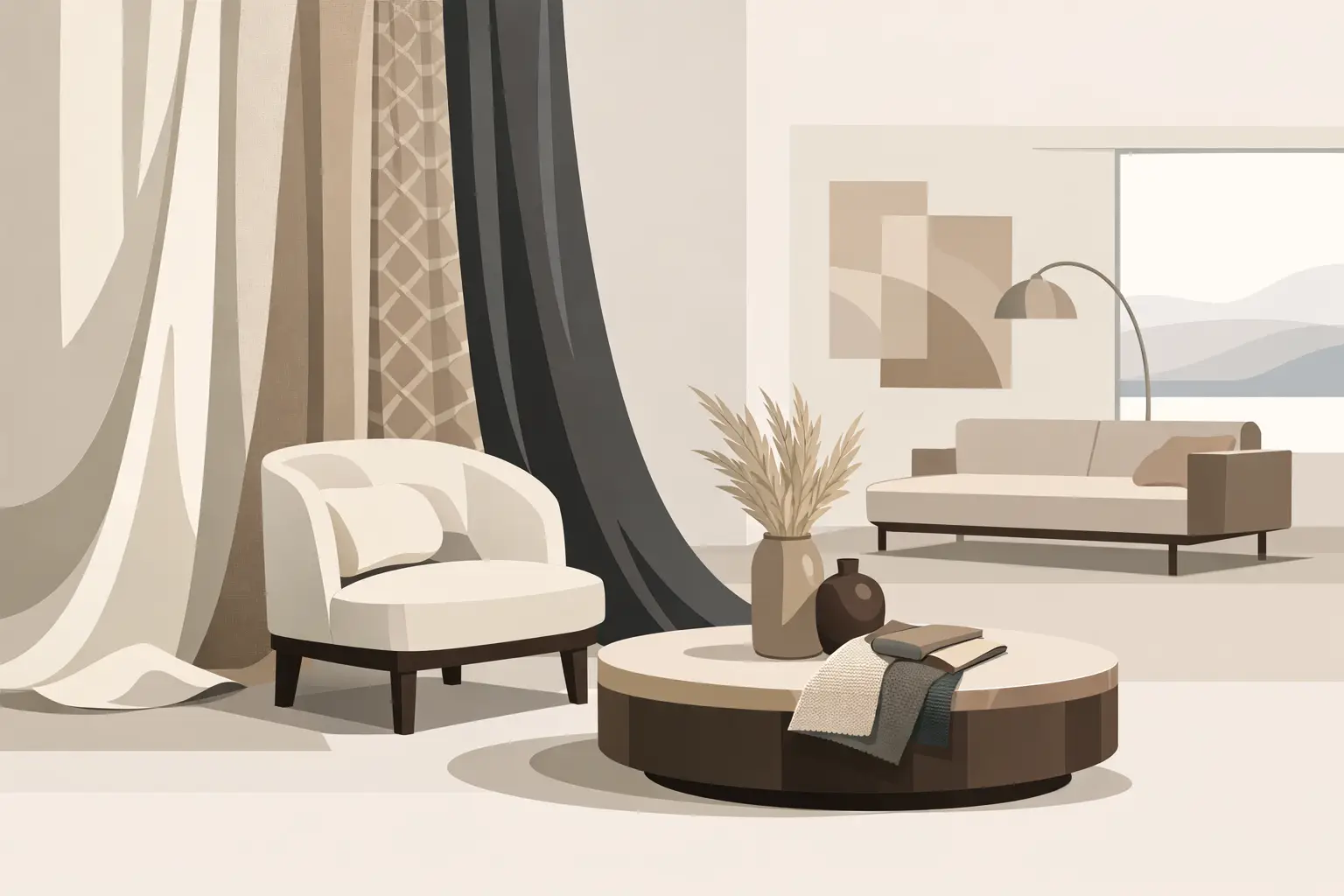
Some fabrics simply cover a surface. Dedar fabrics do something more interesting – they shape atmosphere. In a room where every finish has been considered, textile choice is often what determines whether the scheme feels merely expensive or genuinely resolved.
For discerning homeowners and design professionals, Dedar has long occupied a distinctive place within the world of luxury interiors. The house is admired not only for colour and innovation, but for the way its fabrics hold tension between artistry and restraint. There is often an immediate emotional pull – a velvet with unusual depth, a weave with architectural precision, a sheer that changes character as daylight shifts. Yet the appeal is not decorative for its own sake. It lies in how beautifully these textiles live within sophisticated spaces.
Why Dedar fabrics stand apart
Dedar is not a fabric house that relies on heritage language alone. Its collections feel intellectually curious, contemporary and highly cultivated. That matters when you are designing interiors that need to feel current without becoming transient.
What distinguishes the brand is its command of contrast. Many collections balance softness with structure, saturated colour with disciplined pattern, and expressive texture with impeccable finish. This allows the fabrics to work across a broad design language – from elegant city flats and sculptural modern villas to layered country houses and hospitality spaces where comfort must still feel elevated.
There is also a distinctive Italian sensibility at play. The textiles often carry a fashion-informed confidence, but they remain grounded in interior performance and spatial impact. Rather than overwhelming a room, they tend to sharpen it. A sofa becomes more architectural. Curtains fall with greater purpose. A headboard gains presence without needing ornament.
Where Dedar fabrics work best
The strongest interiors rarely use luxury fabric in a single-note way. Dedar is particularly effective because it lends itself to both statement moments and quieter layers.
Upholstery with presence
On upholstery, Dedar fabrics can shift the entire reading of a piece. A clean-lined armchair upholstered in a richly tactile bouclé feels more sculptural and inviting. A velvet sofa in a complex mineral tone introduces depth that flatter plains cannot achieve. Even relatively simple silhouettes gain authority when covered in a textile with nuance.
That said, beauty alone is not enough. Upholstery must be chosen with use in mind. In a formal drawing room, a more directional or delicate fabric may be entirely appropriate. In a family space or a high-traffic entertaining room, durability and maintenance need equal weight. The right specification depends on how the room is actually lived in, not just how it will be photographed.
Drapery that changes the mood of a room
Curtains are often underestimated in luxury interiors. Yet few elements alter a space as profoundly. Dedar excels here because its sheers, jacquards and drapery-weight fabrics can bring movement, softness and architectural rhythm all at once.
A translucent sheer can temper strong daylight without flattening it. A heavier woven curtain can frame a room, improve acoustics and add a sense of completion that hard finishes alone rarely provide. In larger properties, especially those with high ceilings or expansive glazing, drapery becomes less of a finishing touch and more of a design instrument.
Accent pieces and layered detail
Not every fabric needs to carry the room. Some of the most sophisticated schemes use Dedar in controlled doses – on a pair of occasional chairs, a banquette, decorative cushions or panels that introduce contrast without visual noise.
This is often where the brand’s more adventurous textures and patterns come into their own. A striking textile can be used to punctuate an otherwise restrained palette, creating a room that feels collected rather than over-designed. The effect is subtle confidence, which is almost always more enduring than obvious drama.
How to choose Dedar fabrics well
Luxury textiles deserve a more disciplined selection process than simply ordering what looks beautiful on a hanger. The most successful choices come from considering how fabric behaves in context.
Start with light, not colour
Clients often begin with colour, but light should come first. A fabric will read differently in a north-facing London townhouse than it will in a sun-filled villa in the Mediterranean or a high-rise flat with glass on multiple elevations. Pile, sheen and weave all respond differently to natural and artificial light.
This is especially true with velvets, iridescent surfaces and open weaves. What appears soft and muted in a showroom may become unexpectedly luminous in situ. Equally, a fabric with apparent depth can fall flat in low light if the surrounding finishes do not support it. Sampling at scale is essential.
Consider texture as part of the architecture
In high-end interiors, texture should not be treated as an accessory. It is part of the room’s architecture. Dedar fabrics are often selected precisely because they contribute tactile structure – adding softness to stone, warmth to metal, or relief against crisp joinery.
A room with polished plaster walls, bronze detailing and honed marble may need a dry, textural weave to avoid feeling too formally glossy. By contrast, a space with natural oak floors and limewashed surfaces might benefit from a more lustrous textile that introduces a note of refinement. Good design lies in these calibrations.
Think about scale and restraint
One of the more common mistakes in luxury interiors is assuming that premium materials should all announce themselves. Dedar’s range can be expressive, but it becomes most effective when balanced with discipline.
If a room already contains strong art, distinctive furniture silhouettes or dramatic lighting, the fabric may need to support rather than compete. Conversely, if the architecture is quiet and the palette deliberately pared back, a more characterful textile can provide the depth the scheme needs. It depends on what the room is missing, not what the fabric can do in isolation.
Dedar fabrics in contemporary luxury schemes
Contemporary interiors are often misunderstood as minimal interiors. The best ones are not sparse – they are edited. This is why Dedar remains so relevant within refined modern schemes.
Its fabrics can introduce emotion without clutter. They soften hard lines, absorb sound, create visual rhythm and make large spaces feel intimate. In open-plan homes especially, textiles help establish zones and atmosphere. A dining area may call for crisp tailored upholstery, while an adjacent sitting space benefits from deeper pile and more tactile drapery. The continuity comes not from matching everything exactly, but from selecting materials that speak to one another with intention.
For luxury residential projects, this layered approach is often what gives a home longevity. Trends tend to appear first in obvious motifs and colours. They appear far less quickly in rooms designed around balance, quality and material intelligence.
The value of expert specification
There is a reason exceptional fabric schemes rarely happen by accident. Textile selection involves proportion, performance, handling, finish and context. A fabric that is ideal for loose drapery may be entirely wrong for a tightly upholstered frame. A striking weave may need careful backing. A beautiful sheer may require a secondary treatment for privacy.
This is where design expertise matters. Within a broader interior scheme, Dedar should be considered alongside lighting, furniture, wallcoverings and trimmings so that each element strengthens the next. At Tobias Oliver Interiors, this kind of layered specification is central to creating rooms that feel polished rather than pieced together.
For private clients, that means confidence that the fabric is not only luxurious, but right for the architecture, lifestyle and emotional tone of the home. For interior designers and developers, it means access to materials that can quietly elevate the overall result without resorting to predictability.
Are Dedar fabrics worth the investment?
For the right project, yes – but the question deserves a more nuanced answer than simple affirmation. Dedar sits firmly within the luxury category, and that level of quality should be used where it will be felt and seen to best effect.
In principal rooms, bespoke upholstery, statement drapery and spaces where tactile richness carries real design weight, the investment is easy to justify. The fabric contributes directly to how the room performs and how it is experienced over time. In more practical secondary spaces, a mixed approach may be wiser, reserving the highest-specification textiles for areas with the greatest visual and emotional impact.
That is often the mark of a thoughtful luxury interior – not excess everywhere, but discernment in the right places.
Dedar fabrics appeal because they offer more than surface beauty. They bring character, intelligence and a certain composure to a room, allowing interiors to feel both expressive and deeply resolved. When chosen with care, they do not simply finish a scheme. They give it its point of view.
If you are shaping a home that should feel cultivated, personal and enduring, fabric is not a final layer to be added at the end. It is one of the materials that tells the story from the start.

19th May, 2026

19th May, 2026