



Luxury is rarely announced by excess. More often, it is felt in the hush of a beautifully balanced room, the weight of a hand-finished handle, the softness of a woven textile that changes character with the light. The most luxurious interior design is not simply expensive, nor is it built from statement pieces alone. It is composed with intelligence, restraint and a precise understanding of how materials, proportion and atmosphere shape daily life.
For discerning homeowners, that distinction matters. A room can be filled with recognisable names and still feel flat. Another can be quietly layered, deeply personal and almost impossible to forget. True luxury in interiors lies in that difference – in the move from acquisition to curation.
What the most luxurious interior design gets right
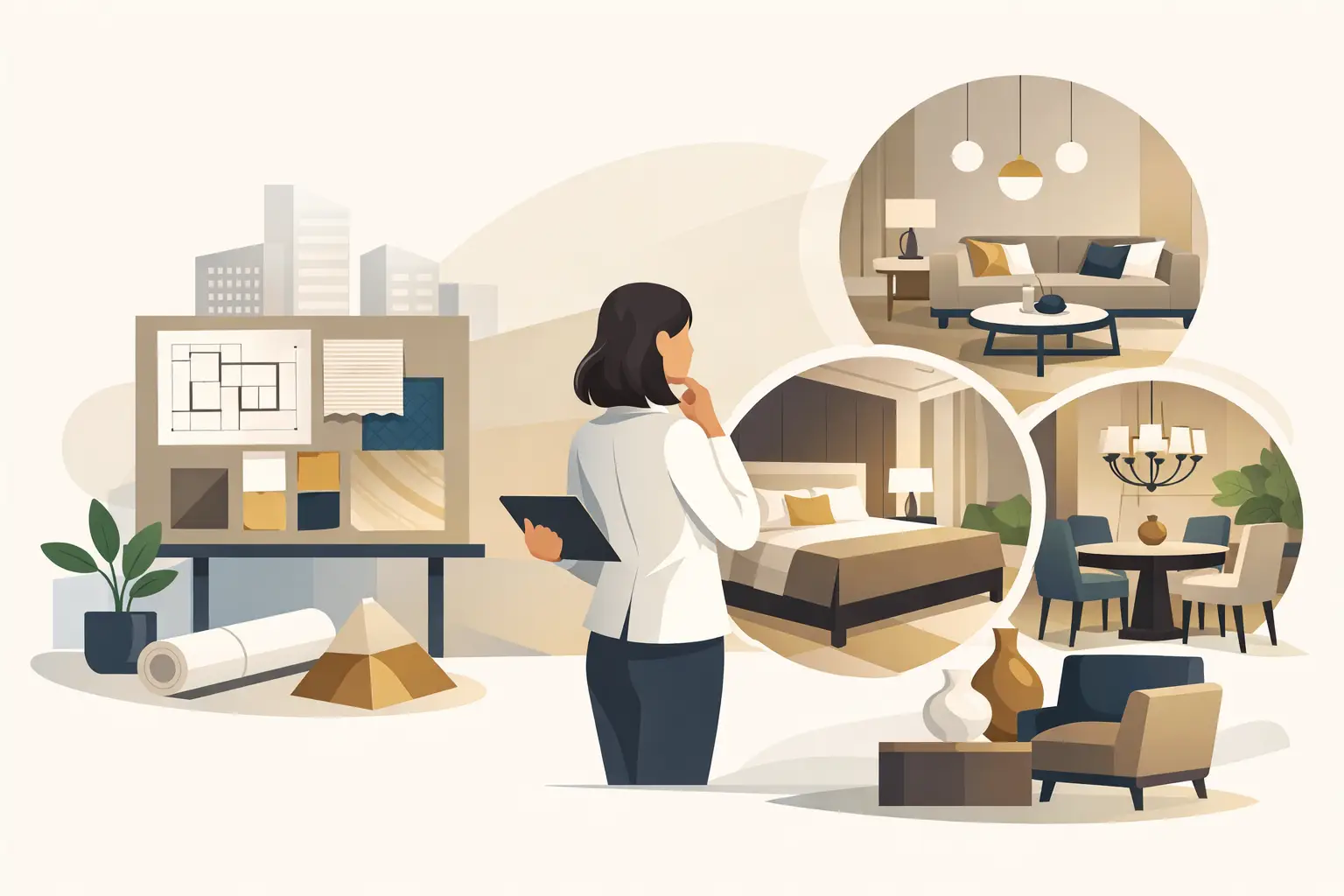
The finest interiors begin with intention. Every decision has a reason, whether practical, architectural or emotional. There is a clear point of view, but never a forced one. Spaces feel resolved because they have been considered as a whole rather than assembled item by item.
This is where many high-end schemes succeed or fail. It is relatively easy to specify premium furniture, decorative lighting and rare materials. It is far harder to make them belong together. The most luxurious interior design always has a sense of authorship. It reflects the architecture, the setting and the people who live there.
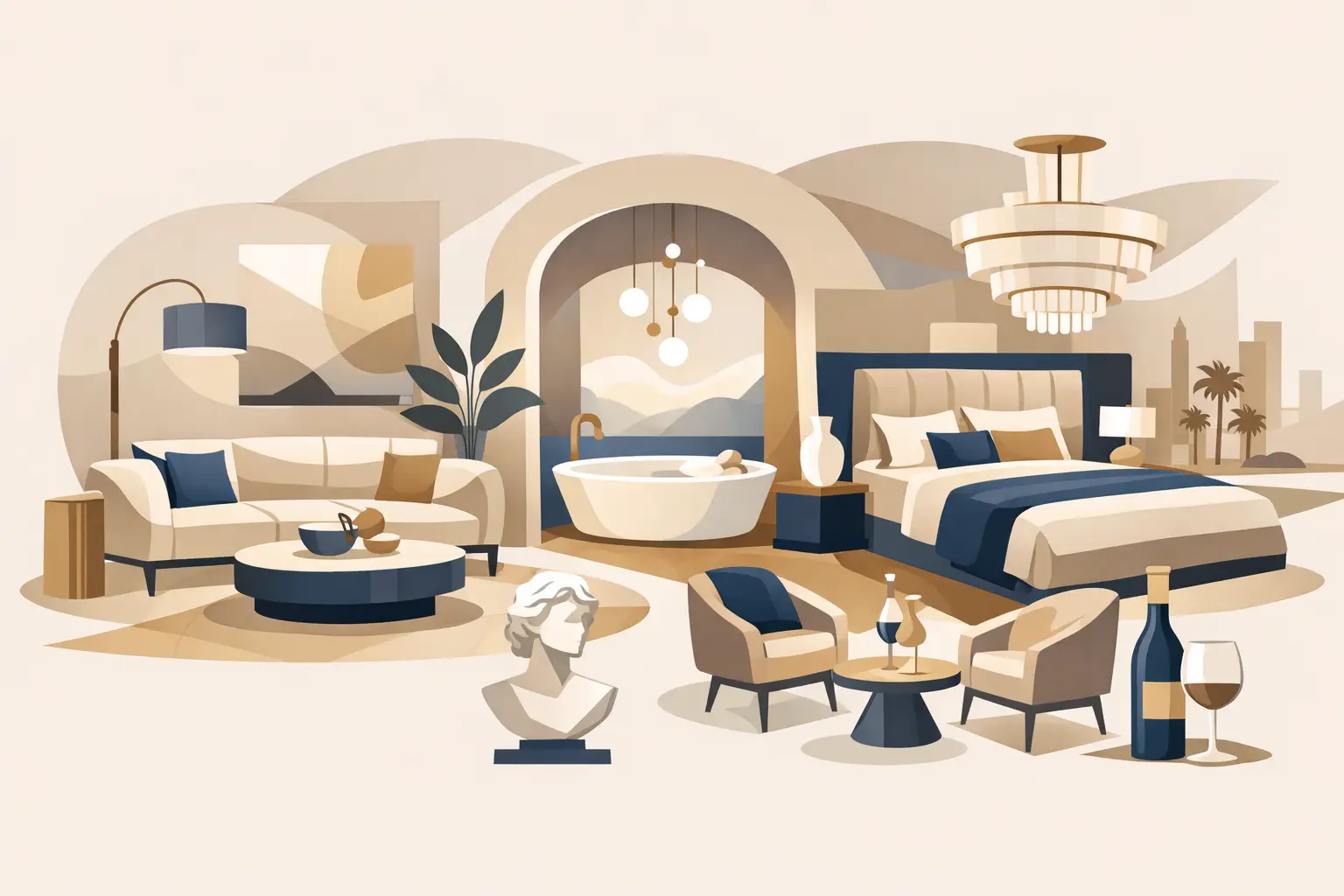
That might mean a penthouse with sculptural lighting and clean-lined furniture softened by tactile boucles and brushed metallic finishes. It might equally mean a country house where antique timber, tailored upholstery, linen wallcoverings and understated trimmings create a quieter kind of grandeur. Luxury does not have one visual language. It has standards.
Material integrity matters more than surface glamour
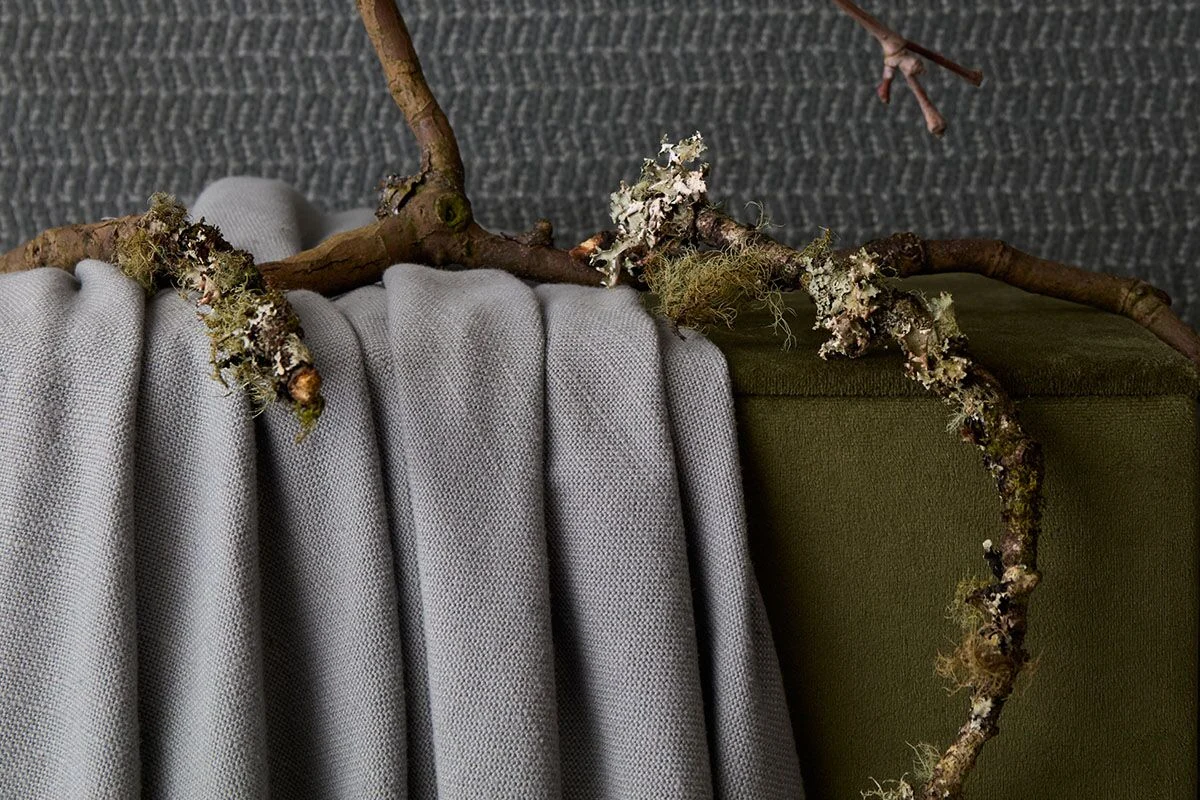
If there is one marker of a truly elevated interior, it is material honesty. Marble should feel like marble, not a glossy substitute. Oak should reveal grain and depth. Alabaster should glow softly rather than shout for attention. In exceptional rooms, materials are chosen not only for appearance but for the way they age, reflect light and invite touch.
This is why so many sophisticated schemes rely on a disciplined palette of natural stone, timber, metal, glass, linen, wool and silk. These materials carry inherent variation, and that variation gives a room life. A travertine table with subtle movement, a hand-finished bronze lamp base or a velvet with tonal depth will always offer more than something uniform and overproduced.
There is, of course, a trade-off. Natural materials require confidence. They are less forgiving than synthetics and often need better maintenance. Yet for clients creating long-term homes rather than temporary impressions, that patina is part of the appeal. Luxury should evolve beautifully, not remain frozen.
The role of textiles in elevated interiors
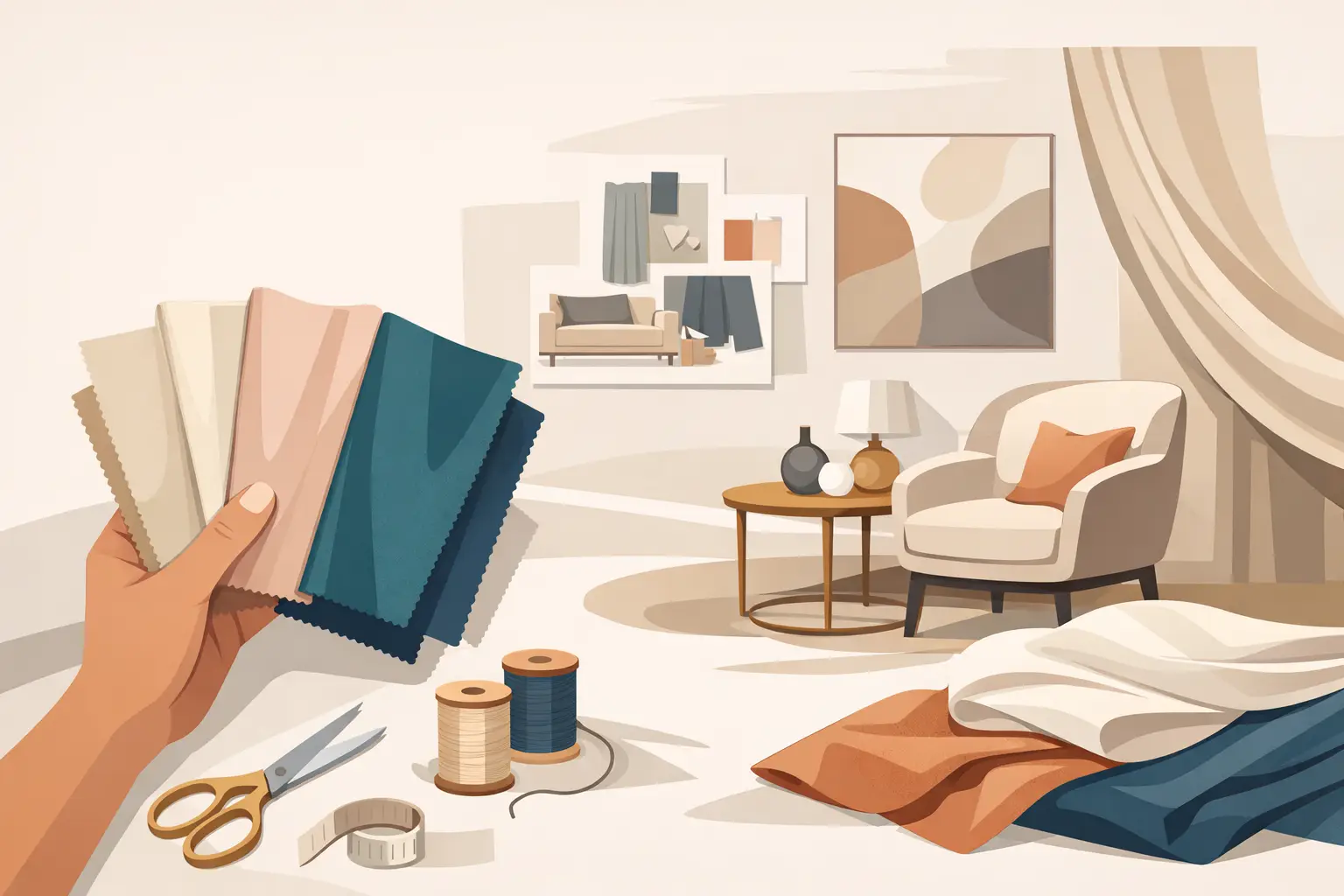
Textiles are often where luxury becomes intimate. You notice them in the drape of curtains, the handle of upholstery, the softness underfoot, the quiet refinement of a trimmed edge or embroidered detail. They affect acoustics, comfort and atmosphere in ways that are easy to underestimate.
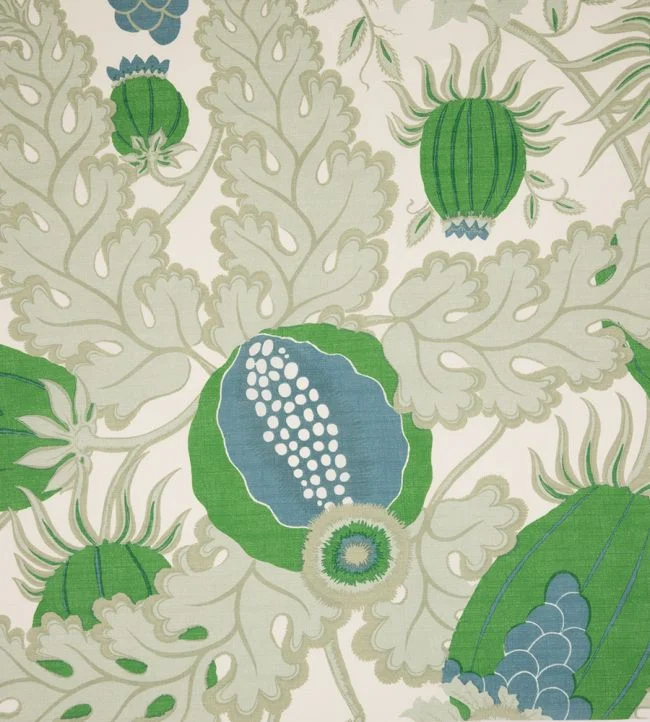
In the most polished schemes, fabrics are not added as decoration at the end. They are built into the design language from the outset. A boucle may bring softness to architectural furniture. A crisp linen can keep a formal room feeling fresh. A richly woven wallcovering introduces depth without visual noise. The effect is subtle, but substantial.
Lighting is where emotion enters the room
No element transforms an interior more completely than lighting. It defines mood, reveals texture and gives shape to space after dark. Yet in many homes, it is still treated as a technical afterthought. That is a costly mistake.
In the most luxurious interior design, lighting is layered and sculptural. Decorative fixtures provide identity and presence, but they work in conversation with architectural lighting, table lamps and shaded pools of warmth. A chandelier may anchor a dining room, but it should not be expected to do everything. The softer glow from alabaster sconces, the intimacy of a reading lamp and the gentle emphasis on art or joinery all contribute to the emotional rhythm of a home.
This is also where confidence in scale becomes essential. Undersized lighting can diminish even a beautiful room. Oversized pieces can be extraordinary, but only when they are balanced by space, sightlines and ceiling height. The finest schemes understand proportion instinctively.
Luxury is built on proportion, not decoration
A well-designed room should feel calm before it feels impressive. That sense of calm usually comes from proportion. Ceiling heights, furniture footprints, circulation space, rug sizing and the visual weight of each object all affect how luxurious a room feels.
This is why editing matters. Too many focal points compete. Too many finishes create noise. Rooms with true presence often contain fewer pieces than expected, but each one earns its place. A sculptural console, an elegant mirror, a pair of generous armchairs and a perfectly scaled pendant can achieve far more than a crowded arrangement of individually expensive items.
There is also a practical dimension to this restraint. Homes are lived in, not merely photographed. The most successful high-end interiors allow for movement, comfort and ease. They support entertaining, family life and moments of privacy without compromising elegance.
Bespoke elements change everything
One of the clearest dividing lines between premium and genuinely luxurious interiors is the presence of bespoke work. Tailor-made upholstery, custom joinery, made-to-measure rugs and carefully specified trimmings bring a level of resolution that off-the-shelf design rarely matches.
Bespoke details do not need to be ostentatious to be powerful. A tailored sofa depth that suits the room precisely, a headboard upholstered in a fabric chosen for its tonal subtlety, or a decorative trimming that gives drapery a considered finish can alter the quality of the entire scheme. These decisions tell a story of care.
That said, bespoke is not always the answer to everything. It requires time, budget and clarity. The strongest projects know where customisation will make the greatest impact and where a beautifully sourced piece from an exceptional maker is exactly right.
The most luxurious interior design is personal
Some interiors are undeniably expensive yet strangely anonymous. They follow the codes of luxury without expressing the life of the people within them. The best interiors avoid this trap. They feel cultivated rather than formulaic.
Personalisation can take many forms. It may be a palette drawn from a favourite landscape, contemporary furniture set against inherited antiques, or a dramatic artwork that shifts the tone of an otherwise restrained room. For one client, luxury might mean serene minimalism and gallery-like calm. For another, it may involve richer layering, decorative wallcoverings and expressive colour. Neither approach is inherently more refined. What matters is coherence.
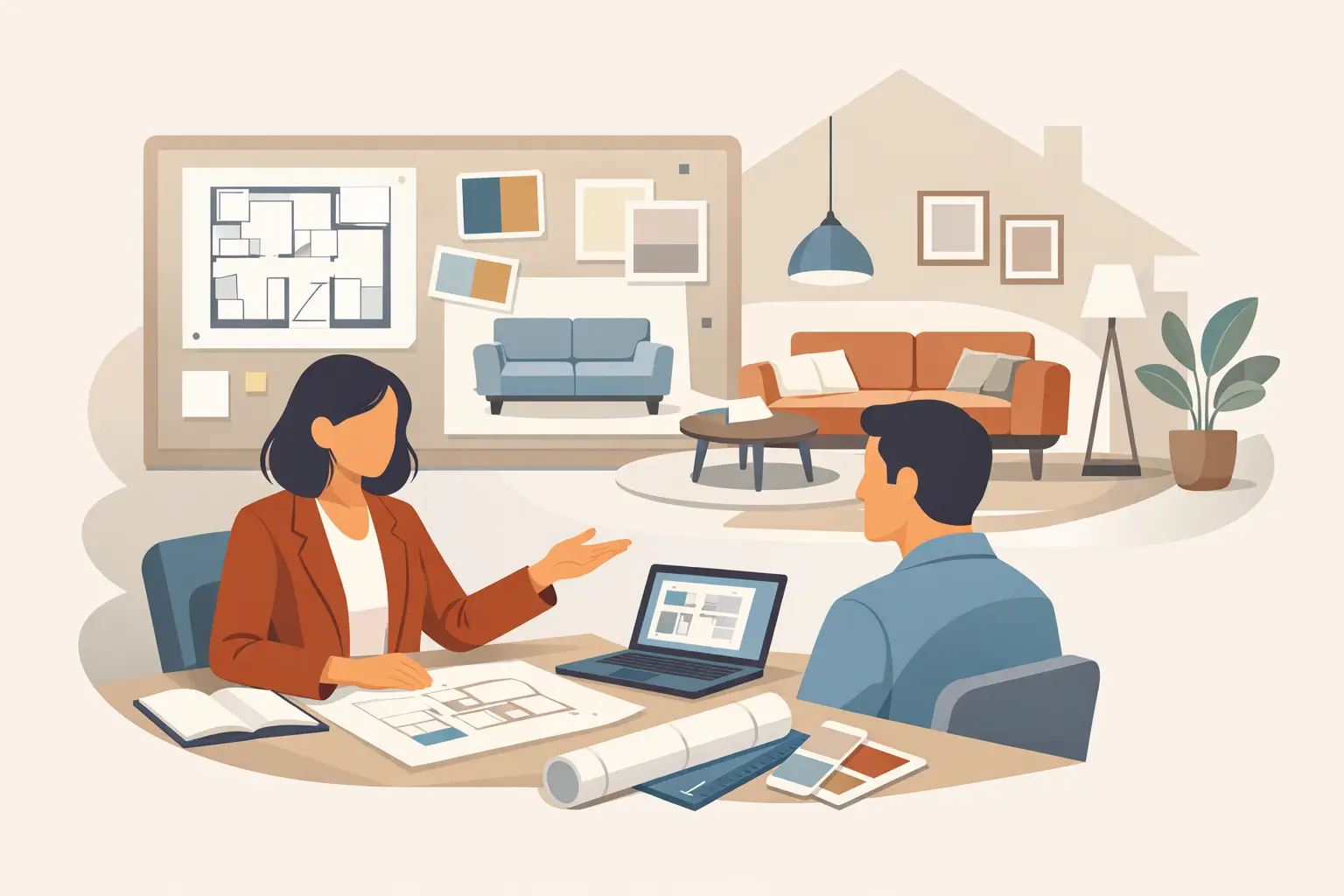
This is where a curated approach becomes invaluable. Access to distinguished furniture, lighting, fabrics and trimmings is only part of the equation. The real skill lies in selecting the right combination for a particular architecture and way of living. That is what turns beautiful products into a meaningful interior.
Why restraint is the final luxury
The idea of luxury is often confused with abundance, but the most enduring rooms are rarely the busiest. They rely on confidence rather than display. A pared-back palette can feel more opulent than a room crowded with visual effects. A single exceptional pendant can have more authority than a ceiling full of features.
Restraint also allows craftsmanship to be seen. The contour of a finely made chair, the texture of a hand-applied wallcovering, the finish of brushed metal or the softness of an artisanal wool all become more apparent when the room is not competing with itself.
For globally minded clients creating homes of lasting value, this kind of refinement has particular relevance. Trends pass quickly. Materials, craftsmanship and proportion do not. The most luxurious interiors are those that continue to feel composed and compelling years after completion.
At Tobias Oliver Interiors, this philosophy sits at the heart of a curated luxury scheme. Internationally respected lighting, furniture, textiles and decorative details are not selected to impress in isolation, but to shape experiences, evoke emotion and tell a story that feels entirely individual.
If you are considering what luxury should look like in your own home, the better question may be what it should feel like. Not louder, necessarily. Not more ornate. Simply more resolved, more tactile, more considered – and unmistakably yours.

29th May, 2026

28th May, 2026