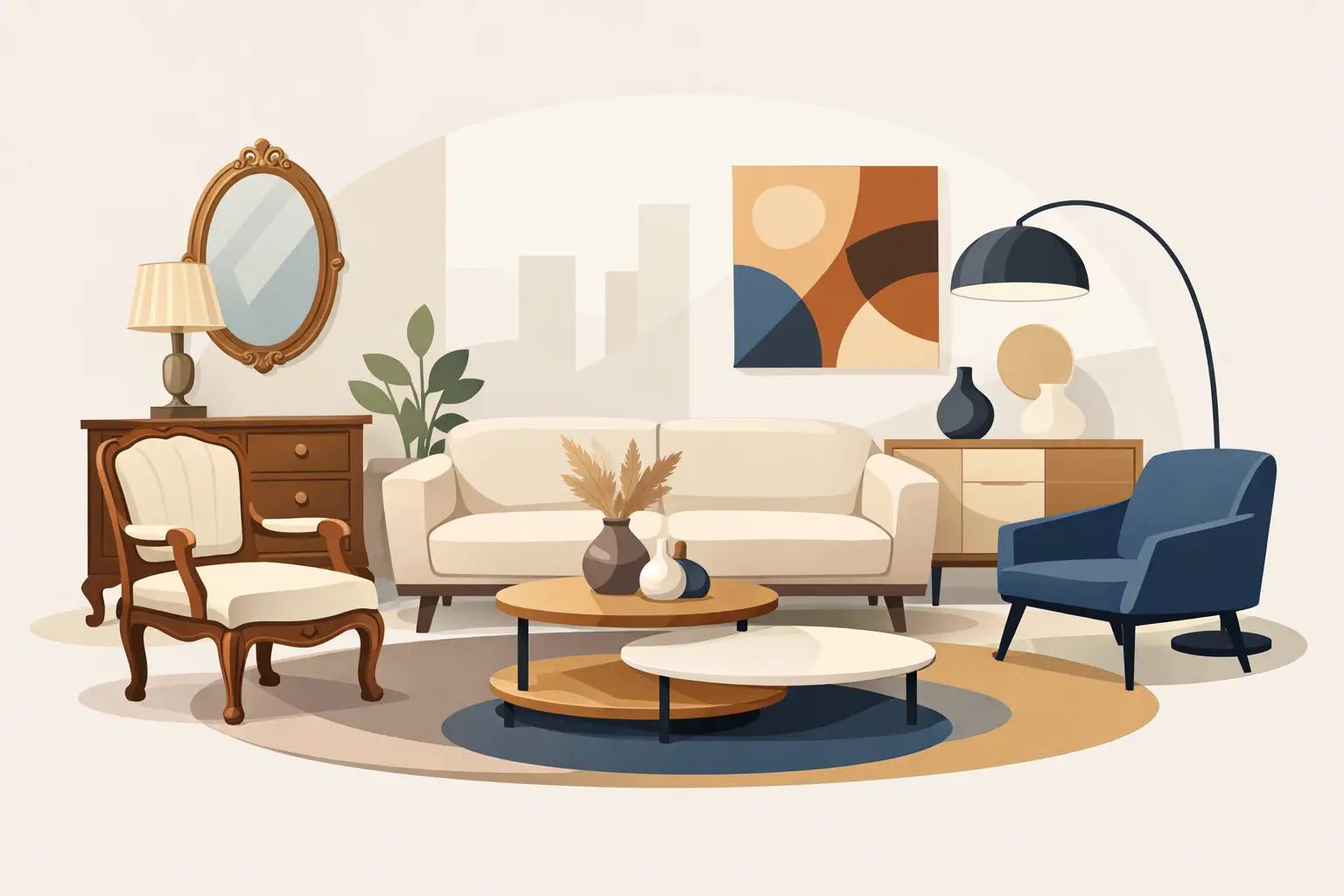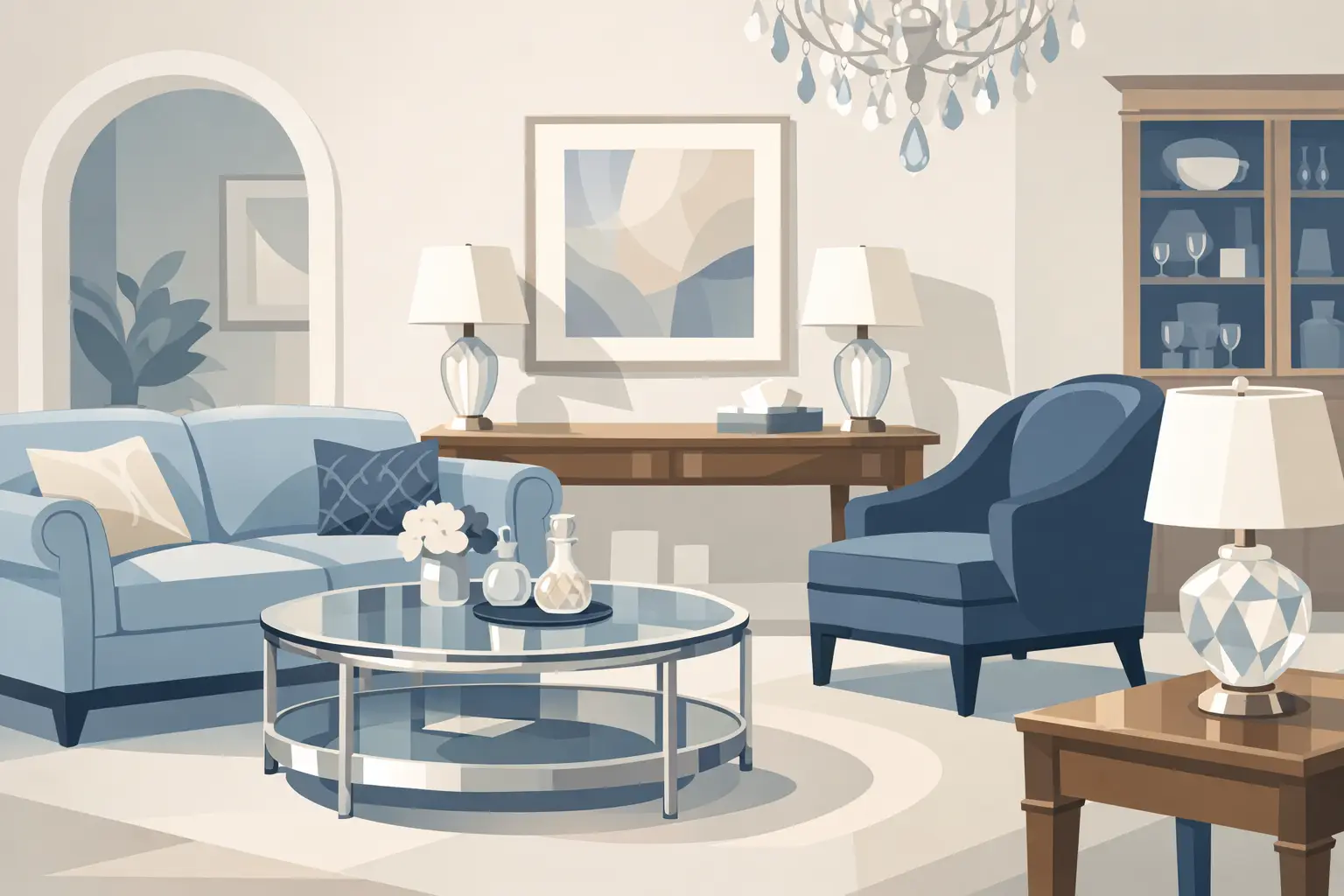






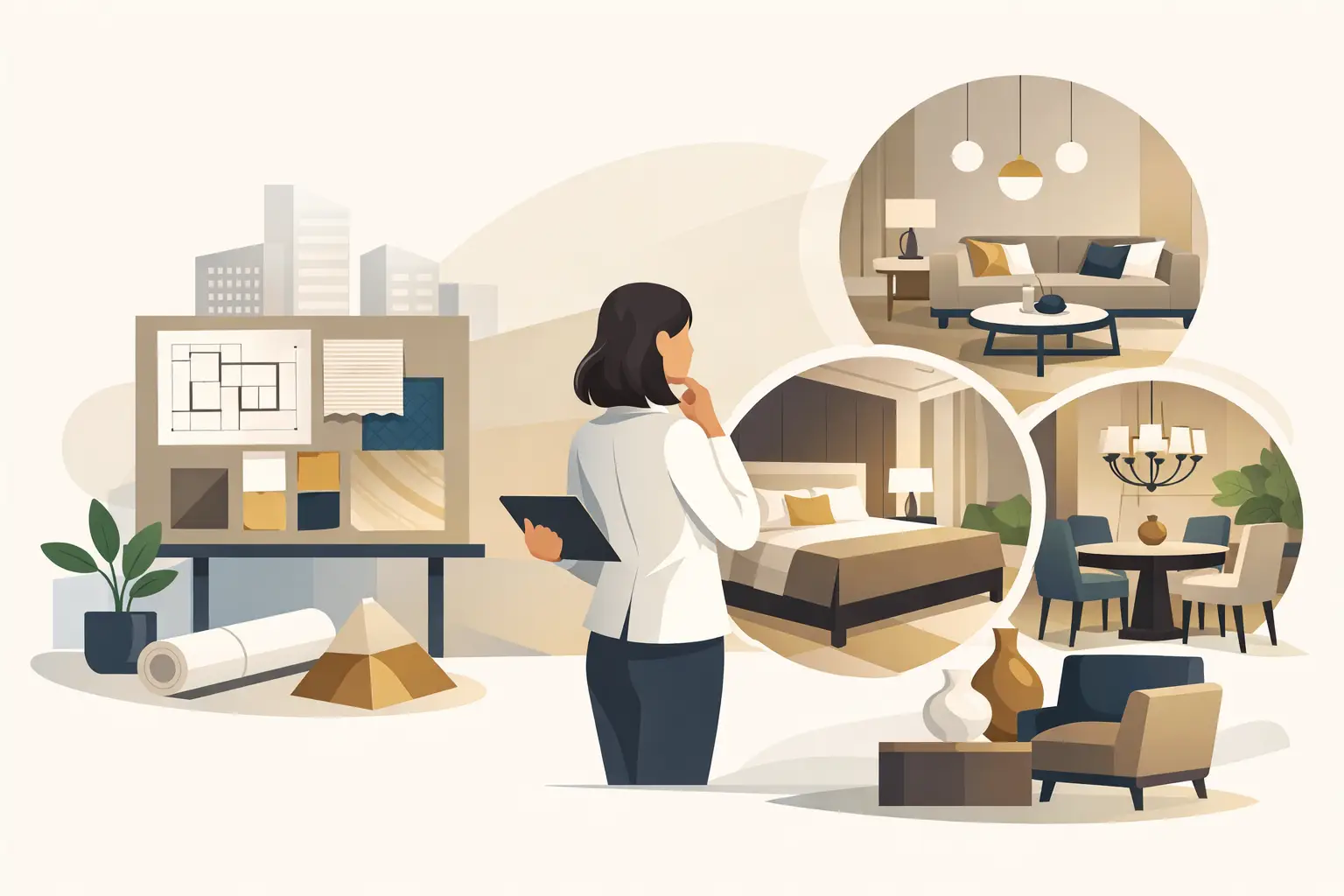
The difference between a beautifully furnished home and a truly exceptional one is rarely budget alone. It is judgement. The top luxury interior design companies understand how to shape atmosphere, proportion and materiality so that a room does more than impress at first glance – it continues to feel considered, personal and quietly extraordinary over time.
For discerning homeowners, that distinction matters. A penthouse, country house or coastal retreat should not feel like a showroom assembled from expensive pieces. It should reflect the way you live, what you value and how you want each space to make people feel. That is why choosing the right design partner is less about finding a famous name and more about recognising a company with depth, taste and the ability to deliver with precision.
What sets top luxury interior design companies apart
At the highest level, luxury interior design is an exercise in curation as much as creation. The best firms do not simply follow trends or specify recognisable brands for their own sake. They compose rooms with restraint, layering lighting, furniture, textiles and finishes in ways that feel effortless, even when the work behind them is highly complex.
A leading company will usually have a clear design language, but not a rigid house style. That distinction is important. You want aesthetic confidence, not repetition. If every project in a portfolio looks interchangeable, the result may be polished, yet it risks feeling impersonal. The strongest companies adapt their expertise to the architecture, setting and client, allowing the home to tell its own story.
They also understand that luxury lives in the details. The drape of a linen curtain, the softness of a hand-finished boucle, the glow of alabaster lighting or the placement of a sculptural console can shift the character of a room entirely. These are not decorative afterthoughts. They are the elements that create emotional depth.
Why sourcing matters as much as design talent
One of the clearest markers of top luxury interior design companies is access to exceptional brands, makers and artisans. Design vision is only as strong as the pieces and materials used to realise it. A firm with a sophisticated sourcing network can create schemes that feel layered and rare, rather than predictable.
This is particularly relevant in contemporary luxury interiors, where understated sophistication often relies on material contrast rather than ornament. A room might pair smoked glass with natural oak, travertine with brushed metal, or a tailored velvet with an artisanal wallcovering. None of this works without an eye for quality and a deep understanding of provenance.
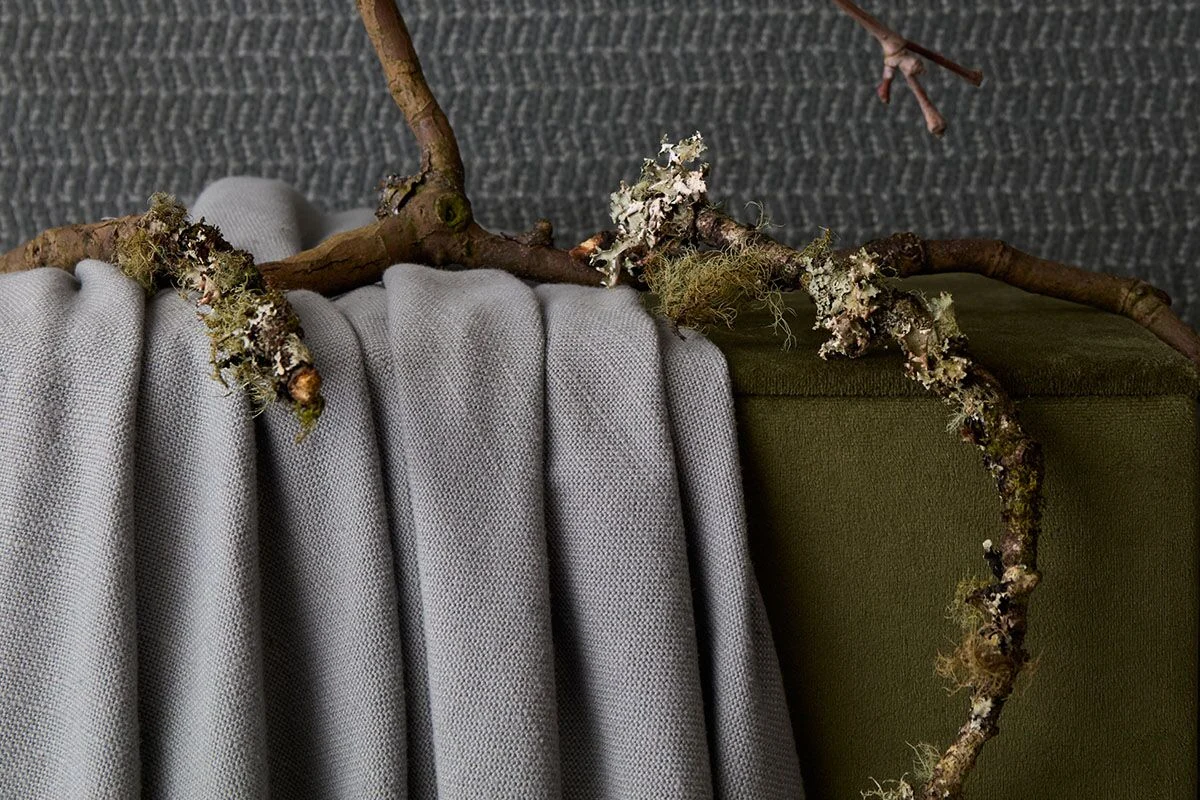
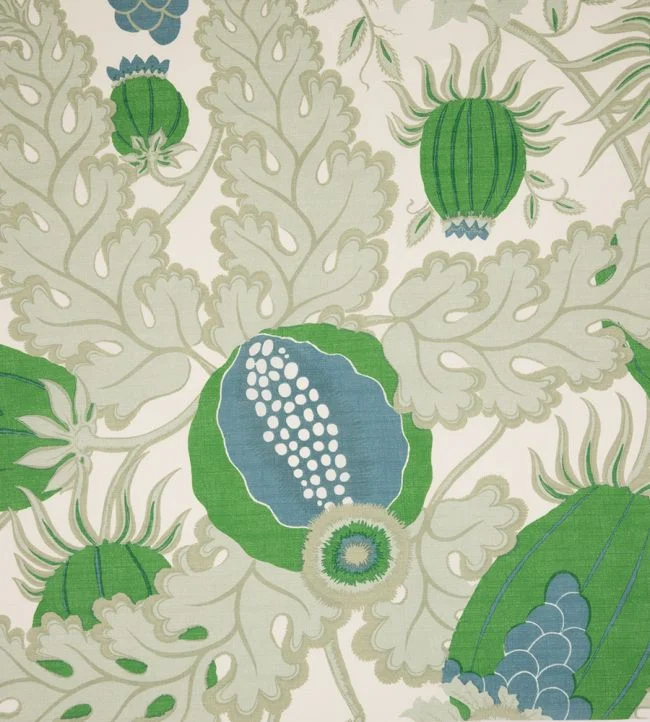
The best design companies know which brands carry genuine authority in their category. In lighting, for example, sculptural and decorative collections from names such as Porta Romana, AERIN, Kelly Wearstler and Visual Comfort bring more than illumination – they establish mood, rhythm and focus. In textiles and wallcoverings, houses such as Dedar, de Le Cuona, Christopher Farr Cloth, Nobilis, Pierre Frey, Rubelli and Zimmer + Rohde offer the kind of texture and refinement that elevate a scheme from competent to memorable.
Furniture sourcing matters in the same way. A beautifully resolved interior often depends on the balance between sculptural statement pieces and quieter supporting forms. Collections from makers such as Julian Chichester, William Yeoward, Christopher Guy and Andrew Martin can introduce character, polish and material richness without overwhelming the architecture.
The questions sophisticated clients should ask
If you are assessing top luxury interior design companies, portfolio images alone are not enough. Beautiful photography can disguise a lack of depth. A more useful approach is to ask how the company thinks.
Ask whether they begin with architecture, lifestyle or decoration. The best answer is usually some combination of all three, weighted according to the project. A listed townhouse demands a different response from a new-build villa, and a family home should not be planned in the same way as a formal pied-a-terre.
Ask how they approach layering. Luxury interiors should feel composed, not overly matched. A strong firm will talk about tonal variation, scale, texture and balance rather than simply naming products.
Ask about sourcing and customisation. Off-the-peg solutions have their place, but the finest projects often rely on bespoke upholstery, tailored window treatments, made-to-measure furniture, specialist finishes and decorative trimmings that provide a sense of completion. Even subtle details, such as refined passementerie, can bring a room into sharper focus.
It is also worth asking how they manage longevity. Some companies are excellent at creating drama for reveal day but less convincing when it comes to wear, maintenance and practical comfort. For a primary residence especially, luxury must live well. Performance fabrics, intelligent lighting design and sensible circulation planning are not glamorous topics, but they are often what separate a successful interior from one that becomes frustrating within a year.
Top luxury interior design companies and project fit
Not every acclaimed firm is right for every client. This is where nuance matters. Some companies excel at richly decorative, maximal interiors filled with pattern and statement. Others specialise in architectural minimalism, where every line is disciplined and every finish meticulously controlled. Neither approach is inherently superior. What matters is alignment.
A design company may be admired internationally and still be the wrong choice for your home if its instinctive style clashes with the atmosphere you want to create. The most satisfying projects happen when there is both trust and compatibility – when the client values the designer’s point of view, and the designer understands the emotional brief behind the property.
Scale also matters. A firm that handles grand hospitality projects may bring impressive operational structure, yet feel too corporate for a deeply personal family home. Equally, a small boutique studio may offer intimacy and flair, but struggle with the demands of a large multi-residence development. Top luxury interior design companies are not just defined by aesthetics. They are defined by delivering the right calibre of service for the project at hand.
The role of craftsmanship in lasting luxury
True luxury interior design is never only visual. It is tactile, atmospheric and quietly exacting. You see it in the joinery lines, the finish of a lacquered cabinet, the weight of a curtain and the way light falls across a textured wallcovering at dusk.
That is why craftsmanship remains central to the best firms. They value pieces made with integrity, whether by heritage brands, specialist workshops or bespoke makers. In a market crowded with imitations of luxury, craftsmanship is often the most reliable indicator of enduring value.
This is especially important for clients furnishing long-held homes rather than short-term properties. Investment pieces should age gracefully. Materials should gain character, not simply show wear. And the overall scheme should remain relevant even as tastes evolve. A home designed with craftsmanship in mind tends to feel more grounded and less vulnerable to fashion.
A more thoughtful way to judge value
Luxury clients are rarely looking for the cheapest solution, but they are increasingly looking for value in the truest sense of the word. That does not mean reducing design to cost per square metre. It means understanding where investment has the greatest impact.
In some projects, that may be lighting, because it transforms atmosphere and architectural presence. In others, it may be upholstery and textiles, because softness, acoustic comfort and material depth are what make the rooms feel complete. Occasionally, the most intelligent decision is to commission fewer pieces of higher quality rather than fill a space too quickly.
This is where an experienced and design-led sourcing partner can be invaluable. A curated portfolio of globally respected interior brands allows a scheme to be built with discernment, drawing together furniture, lighting, fabrics and finishing details into something cohesive and elevated. Tobias Oliver Interiors, for instance, sits naturally within this conversation because its collections are built around internationally respected luxury brands and the sort of understated sophistication that serves both private residences and refined hospitality settings.
When reputation should matter – and when it should not
Reputation has value in luxury interiors, but it should never be the only deciding factor. Awards, press coverage and a recognisable client list can indicate credibility, yet they do not guarantee chemistry or thoughtful execution. Sometimes the most suitable company is not the most public one, but the one with the strongest understanding of your architecture, pace of life and priorities.
The better question is whether the company demonstrates consistency. Do their projects feel resolved? Do materials look genuinely elevated? Is there evidence of restraint, or do rooms rely on obvious statements to signal expense? Top luxury interior design companies tend to project confidence without noise. Their work feels assured because every choice has been edited, not simply added.
The right interiors partner should leave you with more than a stylish home. They should create an environment that supports daily rituals, welcomes guests with ease and continues to reveal its quality in quieter moments – morning light on textured fabric, a beautifully scaled lamp beside a reading chair, the calm that comes from spaces designed with intelligence as well as beauty.
Choosing well takes time, and it should. The most exceptional homes are rarely assembled quickly or casually. They are composed with discernment, shaped by craftsmanship and guided by people who understand that luxury is not about excess. It is about creating rooms with presence, permanence and a point of view worth living with.

13th June, 2026

12th June, 2026