






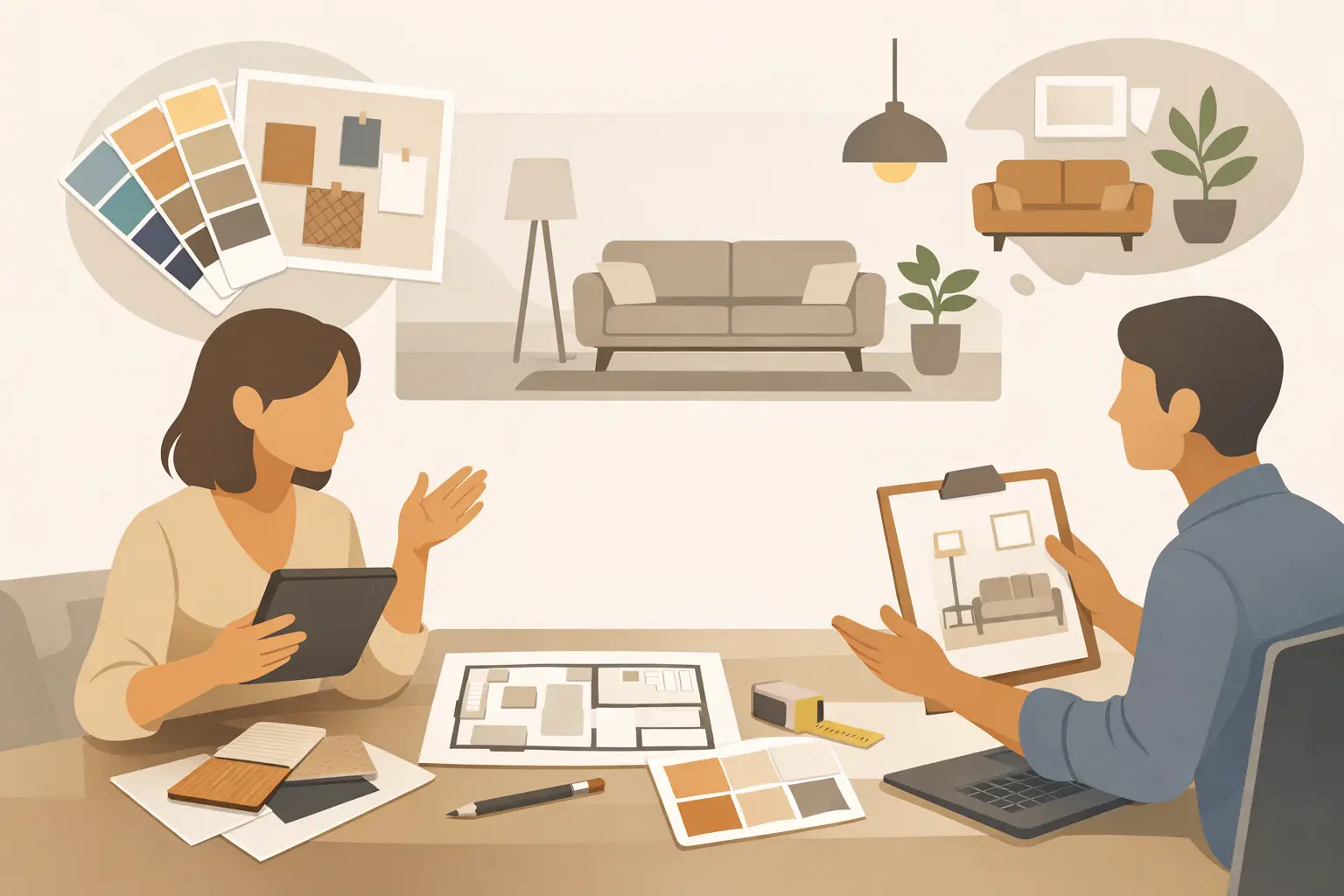
The most successful interiors conversations rarely begin with fabric books or furniture plans. They begin with clarity. If you are wondering how to prepare for interior design consultation, the aim is not to arrive with every decision made, but to bring enough insight that your designer can read the room – and read you – with accuracy.
A strong consultation should feel less like a sales appointment and more like the start of a well-composed collaboration. The more thoughtfully you prepare, the more nuanced the outcome will be. In luxury interiors, where proportion, materiality and atmosphere matter as much as function, that preparation has real value.
How to prepare for interior design consultation with purpose
Before discussing colours, finishes or furniture styles, it helps to define what the project is really trying to achieve. Some homes need visual cohesion. Others need better flow, improved comfort, or a stronger sense of identity. A penthouse intended for entertaining demands different decisions from a family house that must absorb daily life with quiet elegance.
Start by asking yourself what feels unresolved in the space. It may be practical – poor lighting, awkward circulation, insufficient storage. It may be emotional – the rooms feel impersonal, flat or disconnected from the architecture. Both matter. The best schemes solve practical frustrations while creating an atmosphere that feels effortless and deeply personal.
Try to articulate your priorities in plain language. You may want a sitting room that feels intimate in the evening, a bedroom with the restraint of a boutique hotel, or a dining space that carries presence without becoming formal. These are useful design signals. They give direction without forcing premature choices.
Bring inspiration, but edit it carefully
Images are helpful, but volume is not the same as clarity. Designers do not need hundreds of saved photographs. They need to understand the patterns within your taste.
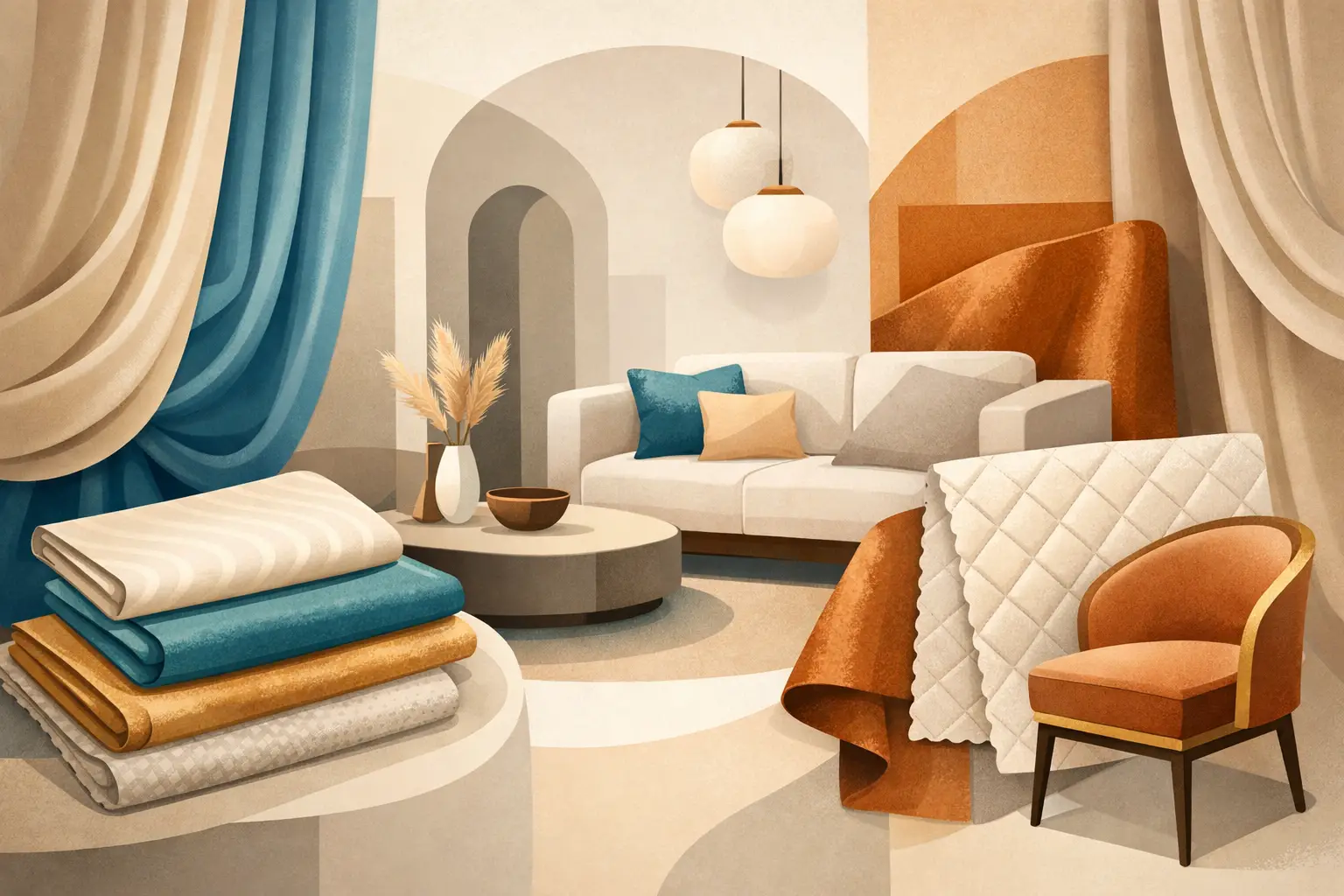
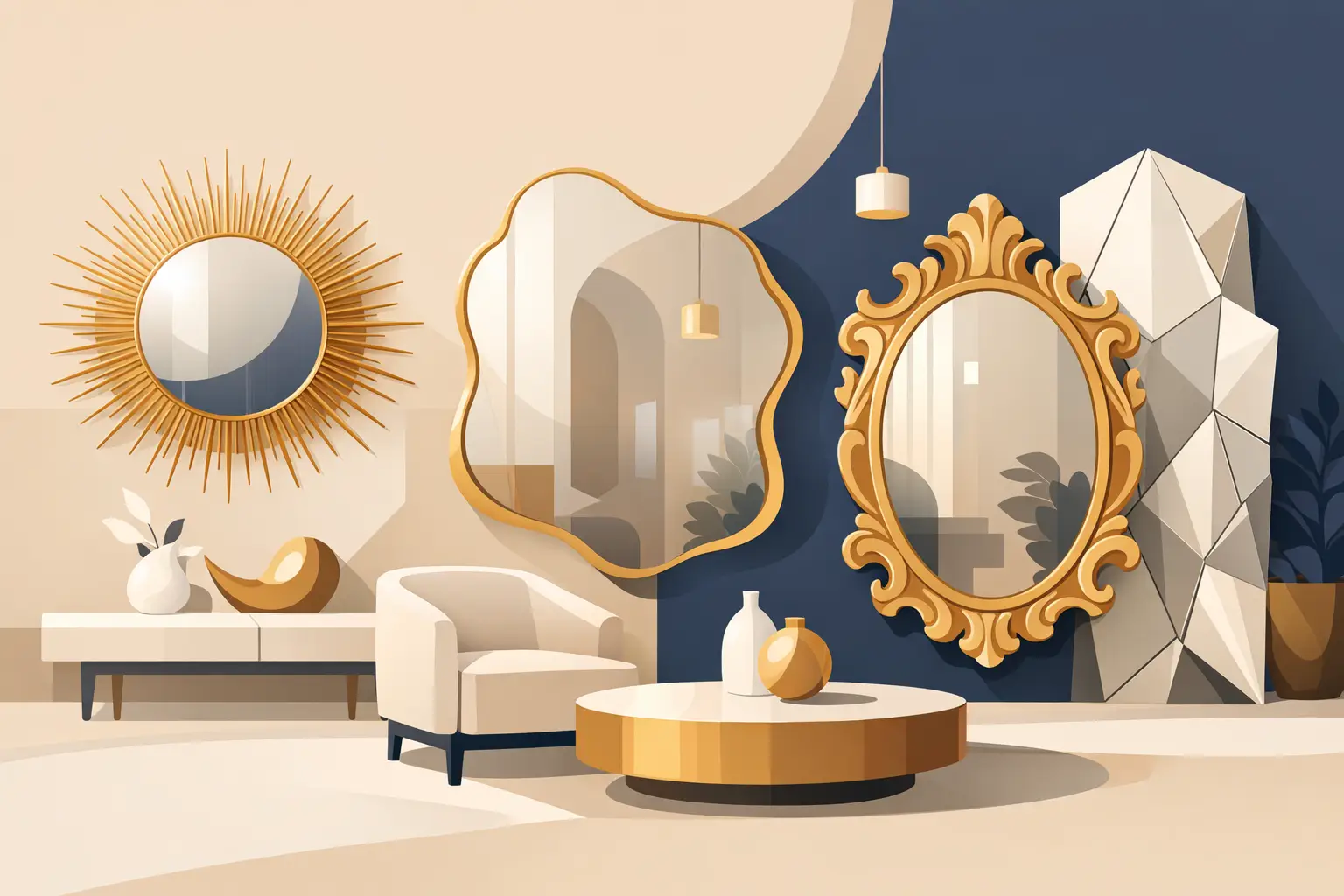
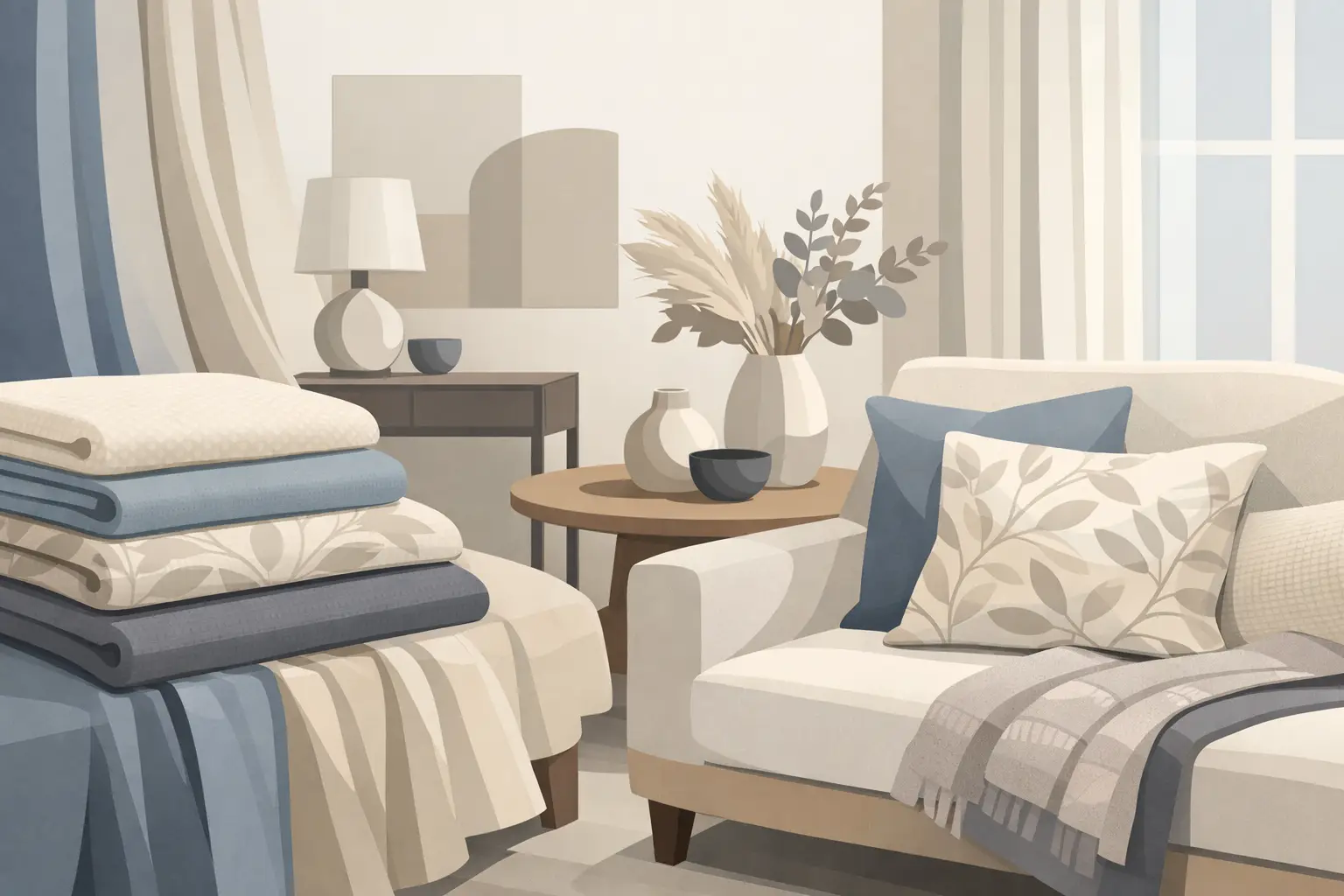
A concise set of references is far more revealing than an overloaded folder. Gather images of interiors, details, materials and pieces that genuinely resonate with you, then look at them closely. Are you drawn to sculptural lighting, quieter palettes, tailored upholstery, natural stone, or rooms with layered texture and softened edges? Often, what clients call their style is less useful than the emotional and material qualities they return to repeatedly.
It is equally helpful to note what you do not like. If glossy finishes feel cold, if overly decorative rooms feel contrived, or if a certain palette reminds you of a hotel rather than a home, say so. Taste is often defined by restraint as much as attraction.
There is, however, a balance to strike. Inspiration should guide the consultation, not constrain it. A room copied too closely from a reference image can lose the very individuality that makes a home memorable. The purpose is to reveal your sensibility, not to assemble a replica.
Measure the room, and the life that happens in it
Any serious design conversation benefits from sound practical information. Floorplans are ideal, but if you do not have them, simple room measurements are still extremely useful. Record wall lengths, ceiling heights, window positions, door swings and any architectural features that cannot be altered easily, such as fireplaces, columns or radiators.
Photographs matter too. Take wide shots of each room and a few closer images of details that may affect the design, such as cornicing, flooring transitions, natural light levels and existing joinery. Daylight and evening lighting can tell very different stories, so both are worth capturing if possible.
Beyond dimensions, think about how the room is used at different times of day. A formal drawing room may also need to accommodate children on weekends. A principal bedroom may require discreet workspace. An open-plan area may need to feel coherent while serving several functions at once. These realities influence everything from layout and upholstery choices to lighting layers and textile performance.
Be honest about budget and where it matters most
In high-end interiors, budget is not simply about what you can spend. It is about where investment will have the greatest visual and functional impact. A consultation works best when there is honesty around financial parameters from the outset.
Many clients hesitate here, concerned that disclosing a figure will narrow the creative discussion. In practice, the opposite is usually true. Clear budget guidance allows a designer to shape a scheme with intelligence – perhaps prioritising bespoke upholstery, statement lighting or exceptional wallcoverings in one room, while taking a more measured approach elsewhere.
It is also worth distinguishing between ideal spend and comfortable spend. If there is flexibility for the right piece, say so. If certain categories matter more than others, that is equally useful. One client may place enormous value on artisan textiles and hand-finished trimmings, while another may prefer to invest in timeless furniture forms and architectural lighting. Neither is wrong. The point is to understand your own hierarchy.
Know what can stay, and what must go
A consultation should not assume that every room begins from a blank page. In fact, many of the most characterful schemes are built around existing pieces with meaning, provenance or exceptional craftsmanship.
Before the meeting, identify what you would like to retain. This could include art, antiques, a dining table, inherited seating, rugs, or even a lamp that has followed you from one home to another. Let your designer know whether these pieces are non-negotiable or simply worth considering. There is a difference between designing around treasured elements and politely accommodating items you no longer love.
This stage is often revealing. Clients sometimes discover that what they want to keep is not the object itself, but the feeling attached to it. That opens the door to a more refined solution – perhaps reupholstering, reframing, relocating or pairing it with stronger surrounding pieces so it sits more naturally within the scheme.
Prepare to discuss timeline, scope and decision-making
Luxury interiors are shaped by lead times, craftsmanship and sequencing. A consultation is the right moment to discuss the real scope of the project and any timing considerations that may affect it.
If you are renovating before moving in, preparing a property for seasonal use, or coordinating around architectural works, mention this early. Custom furniture, specialist finishes, made-to-order lighting and bespoke textiles often require patience. That is not a drawback. It is usually the reason the result feels considered rather than generic. But it does mean timelines should be realistic.
It also helps to decide who will be involved in approvals. If a couple is commissioning the project, or if decisions need to be aligned with an architect, family office or developer, clarity here prevents delays later. Design moves more elegantly when the process is understood from the beginning.
What your designer is really looking for
When preparing for an interiors meeting, many clients focus on presenting polished preferences. What an experienced designer actually needs is something more textured. They are listening for how you live, what you notice, where you compromise, and where you will not.
They are observing whether you prefer rooms that feel composed or relaxed, whether you are drawn to contrast or calm, and whether your idea of luxury is expressive or understated. They are also considering the architecture itself. A handsome country house, a minimalist flat and a coastal villa each call for different forms of restraint.
This is why honest conversation matters more than design jargon. You do not need the vocabulary of an interiors professional. You only need to describe what feels right, what feels unresolved, and what kind of experience you want the rooms to create.
Make space for expertise
Preparation is valuable, but so is openness. The consultation is not a test of how much you know. It is an opportunity to place your ambitions in the hands of someone who can shape them with proportion, discipline and imagination.
The strongest clients are rarely the ones who arrive with fixed answers. They are the ones who arrive with curiosity, discernment and enough self-awareness to recognise what they want their home to say. From there, a good designer can build something far richer than a moodboard – a layered interior that reflects your life with elegance and conviction.
At Tobias Oliver, this kind of preparation allows the conversation to move quickly from preference to possibility, and from possibility to a home that feels deeply resolved. Come to the consultation with clarity, not perfection, and you give the design every chance to become exceptional.
A well-prepared consultation does not reduce creativity. It sharpens it, so the finished rooms can do what the best interiors always do – shape experience, evoke emotion and tell your story with quiet confidence.

27th July, 2026

26th July, 2026