





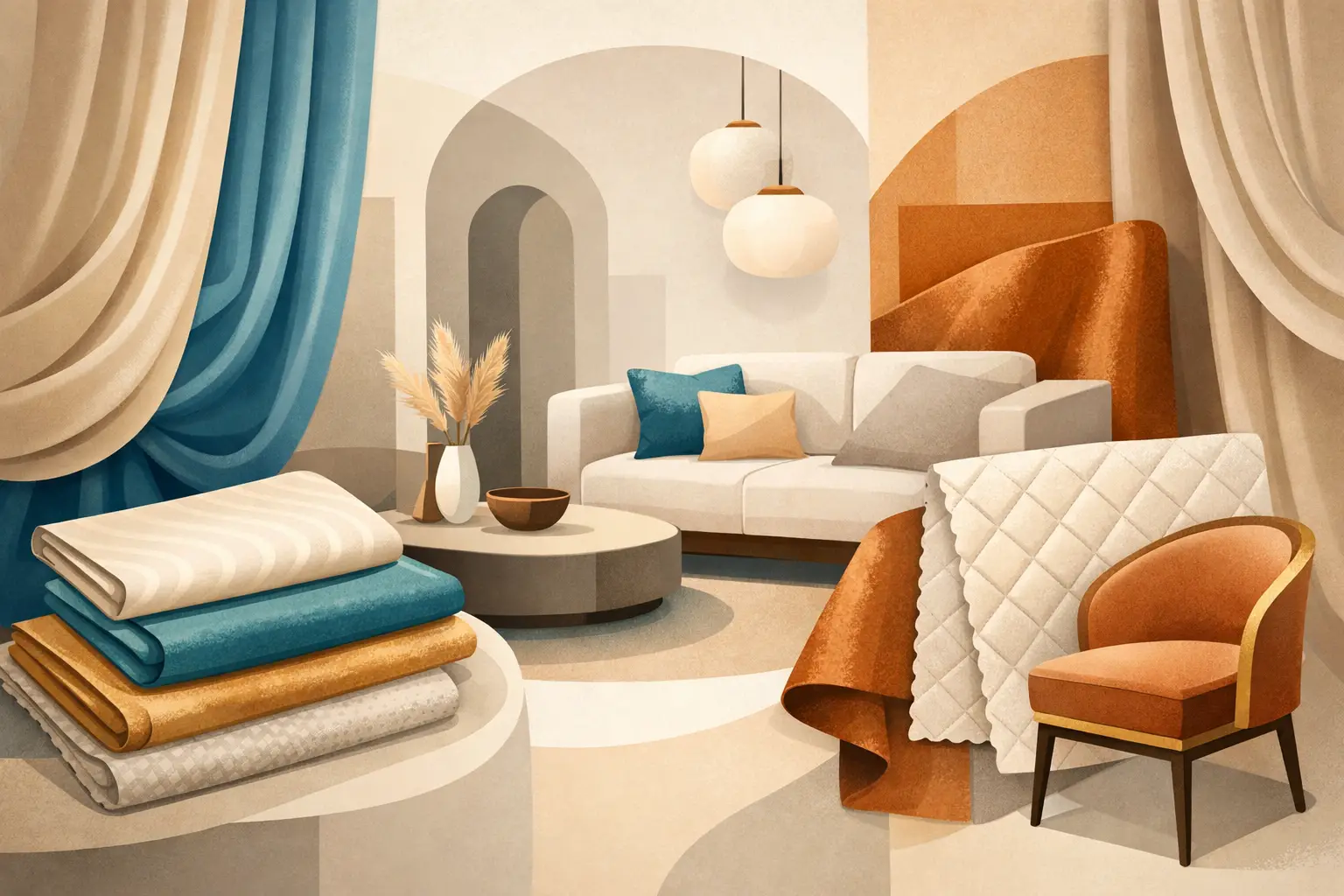
A room is often judged first by its architecture, but it is remembered by how it feels to inhabit. The quiet weight of a velvet curtain, the dry hand of a linen-upholstered chair, or the soft lustre of silk at a window can change both the atmosphere and the perceived scale of a space. Luxury interior fabrics do more than introduce colour and pattern. They temper light, absorb sound, invite touch and give an interior its emotional register.
For a considered home, fabric selection is never an afterthought. It is a composition of material, proportion and purpose, informed by the way a room is used and the life expected of it. The finest schemes balance visual distinction with an ease that makes them a pleasure to live with.
What luxury interior fabrics change
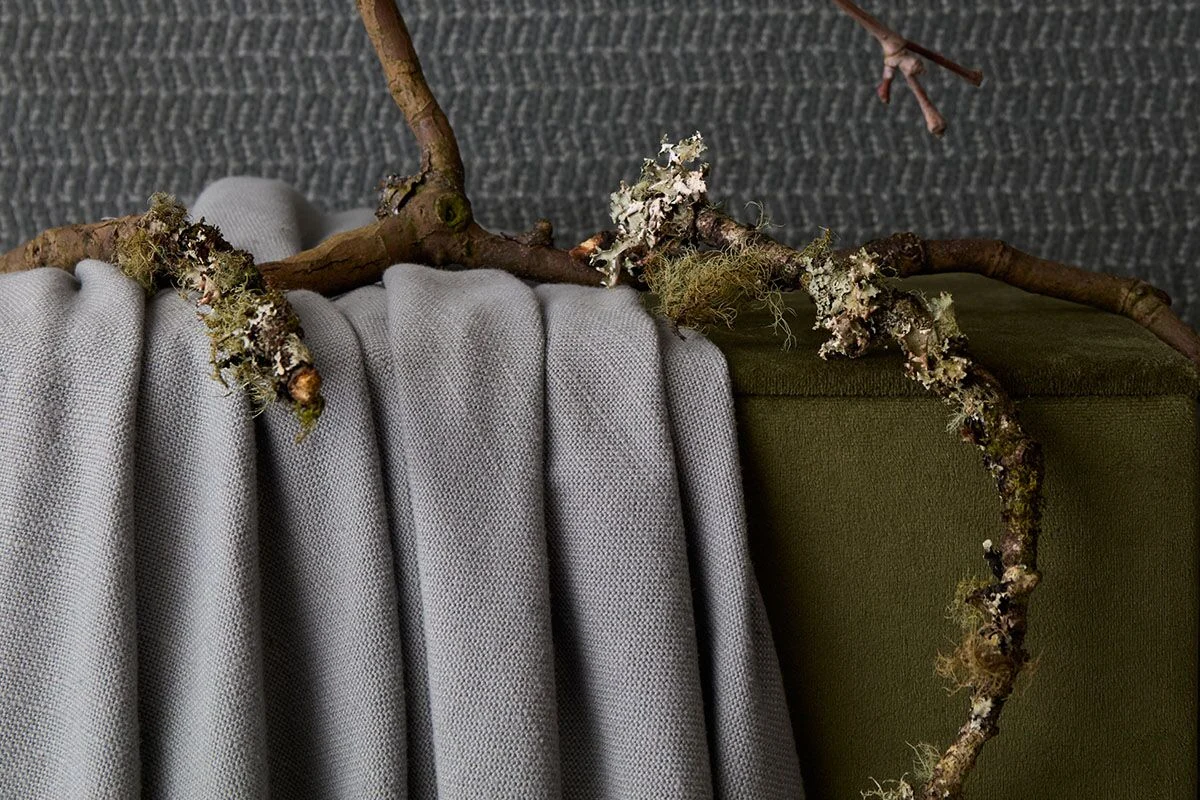
The value of exceptional cloth begins with its sensory qualities. Natural fibres possess an irregularity that mass-produced synthetics rarely replicate: linen has a relaxed, nuanced surface; wool offers density and warmth; cotton velvet catches the light differently with every movement; silk brings a subtle luminosity. These qualities give an interior depth that photographs may suggest but cannot fully convey.
Fabric also directs the mood of a room. A tightly woven wool bouclé can make a sculptural sofa feel architectural and contemporary. A faded floral linen may lend a country house sitting room a sense of history without making it feel overly formal. In a city residence, a textured neutral weave can soften sharp lines and reflective finishes, creating a more composed and liveable setting.
There is a practical dimension, too. Curtains with sufficient weight frame a view and improve acoustic comfort. Upholstery introduces softness to rooms defined by timber, stone, metal or glass. Cushions, trimmings and decorative textiles create moments of contrast, allowing a scheme to evolve without replacing its larger pieces. The most successful interiors use these layers with restraint, so each material has room to be appreciated.
Begin with the room, not the swatch
A fabric sample can be persuasive in isolation. Its true character emerges only when considered alongside the room’s natural light, architectural details, furniture silhouettes and intended use. Before choosing a pattern or colourway, consider what the room needs to do.
A formal drawing room may allow for delicate silks, refined damasks or intricately embroidered textiles used on occasional seating and curtains. A family room requires a different balance: richly tactile, but resilient enough for everyday use. In bedrooms, the priority may be softness and intimacy, expressed through brushed wool, washed linen, mohair and layered bed textiles. For hospitality settings or high-traffic residences, performance specifications must sit alongside aesthetic ambition.
Light deserves particular attention. North-facing rooms can flatten cool greys and sharpen blue undertones, while strong southern light can make pale fabrics appear warmer and more luminous. A fabric should be viewed vertically as well as flat on a table, and at different times of day. The direction of the pile on velvet, the openness of a linen weave and the sheen of a satin all alter how colour is read.
Scale is equally influential. A large repeat can feel grand on full-height curtains or a generously proportioned headboard, yet appear restless on a small occasional chair. Conversely, a fine geometric or small-scale motif can act almost as a texture from a distance. The most assured schemes set large-scale pattern against quieter plains, allowing movement without visual competition.
Fibre, weave and finish
The language of fabric can sound romantic, but its construction determines much of its performance. Understanding a few principles makes better decisions possible.
Linen is prized for its dry, relaxed elegance and gentle variation in tone. It is particularly effective for curtains, loose-covered furniture and rooms where a naturally lived-in finish is welcome. It can crease, fade and show wear more readily than some alternatives, but those changes are often part of its appeal. A linen blend may be the wiser choice where greater stability is needed.
Wool is one of the most versatile fibres in a refined interior. It is naturally resilient, insulating and often surprisingly practical for upholstery. Fine wools can look tailored and crisp, while bouclés, felted finishes and woollen velvets bring a more enveloping texture. Mohair, with its distinctive sheen and strength, is especially compelling on statement seating, though it should be chosen with care where a very relaxed surface is desired.
Velvet brings drama and comfort in equal measure. Cotton velvet has a soft, matt richness; viscose velvet tends towards a more fluid, luminous finish; mohair velvet is exceptionally durable and elegant. It is a strong choice for accent chairs, ottomans and sofas where the changing direction of the pile will add life to the surface. Marking and shading are characteristic of velvet, not necessarily a flaw, and should be embraced as part of the material’s character.
Silk, often blended for improved practicality, is best reserved for spaces where its delicacy can be protected. It can be exquisite at windows, on wall panels or on lightly used pieces of furniture. Direct sunlight is its principal adversary, so lining, interlining and thoughtful positioning are essential. For a similar lustre with greater resilience, a silk-linen blend or a finely woven viscose may offer a more suitable solution.
Upholstery, curtains and the art of contrast
A cohesive scheme does not mean matching every textile. It means creating a relationship between surfaces. A room upholstered entirely in one texture can feel flat, however beautiful the fabric. Contrast is what creates a collected, considered result.
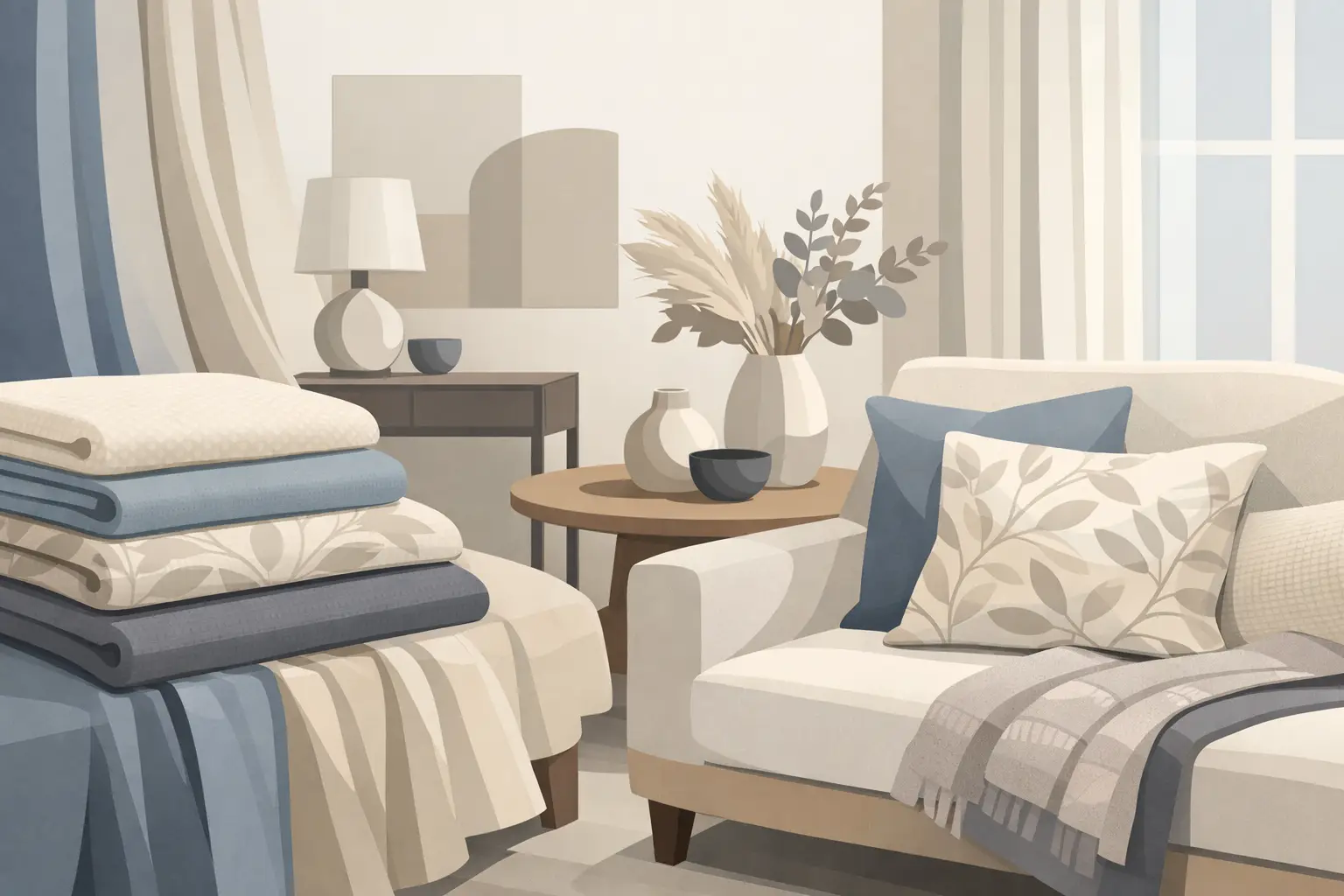
For upholstery, begin with the largest or most permanent piece, typically the sofa. Its fabric should be chosen for longevity, comfort and visual calm. A nuanced plain, a softly flecked wool or a restrained weave provides a foundation that can accommodate more expressive chairs, cushions and throws. Patterned upholstery can be spectacular, particularly on a sculptural armchair or a pair of occasional seats, but it benefits from a confident understanding of scale.
Curtains should be treated as architectural textiles. Their fullness, lining and fall are as important as the face fabric itself. A lightweight sheer can diffuse strong daylight and preserve privacy without closing off a view. A lined linen or wool curtain adds substance and warmth. Interlining creates a fuller, more luxurious drape, particularly in period homes and rooms with generous ceiling heights, though it may be unnecessary in a pared-back contemporary setting.
Trimmings introduce another level of detail. A contrast piping can sharpen the outline of a chair; a bullion fringe can bring a playful sense of ceremony to an ottoman; a tailored braid can connect upholstery with curtains. Used sparingly, these elements tell a story of craftsmanship rather than decoration for its own sake.
Choosing pattern with confidence
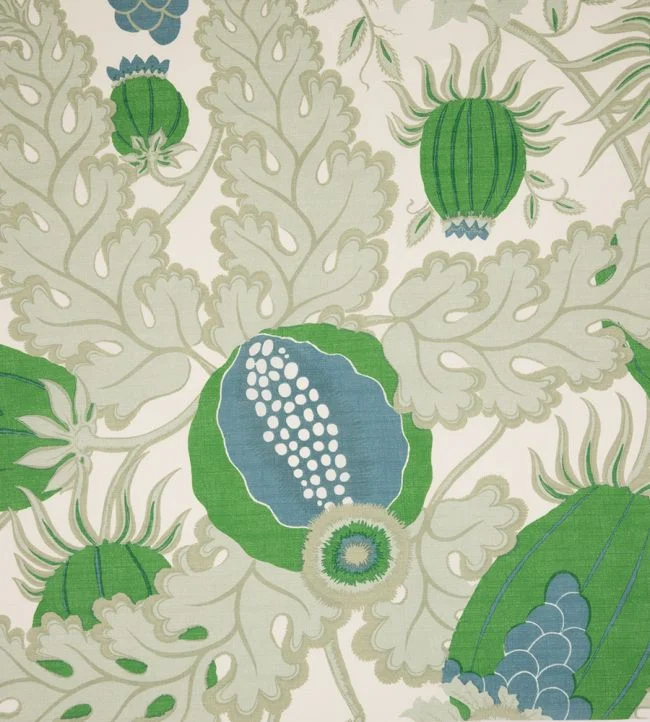
Pattern has the power to establish the identity of a room. It may reference a particular place, period or artistic movement, but the most enduring choices avoid becoming overly literal. A hand-blocked botanical, an abstract brushstroke, a refined stripe or a stylised geometric can each feel current when paired with furnishings of clear, confident form.
The question is not whether pattern is appropriate, but where it should sit. A dramatic printed linen on curtains can become the room’s central gesture. A quieter companion fabric might then appear on the sofa, with a third texture used for cushions or a footstool. This hierarchy creates visual rest and gives the scheme a natural rhythm.
For clients drawn to a more restrained palette, texture can perform the work of pattern. Nubby bouclés, basket weaves, ribbed velvets and subtly striated linens bring tactile interest while preserving a calm, tonal environment. Designers such as Dedar, de Le Cuona, Pierre Frey and Christopher Farr Cloth demonstrate how a fabric can feel distinctive through weave, colour and finish alone.
The investment is in longevity
Luxury is not simply a matter of a prestigious name or a high thread count. It lies in choosing materials that will become more compelling with time, commissioning them with proper craftsmanship and caring for them according to their nature. This may mean accepting that linen will soften, velvet will shade, and a handwoven textile will have small variations. Those details are evidence of authenticity.
Care should be anticipated at the point of selection. Sun-exposed fabrics may need protective lining or specialist treatments. Removable covers can be valuable in informal rooms, though they alter the tailored appearance of a piece. Delicate textiles are often best used where they can be admired rather than subjected to daily wear. There is no single ideal fabric: the right choice depends on the room, the household and the kind of beauty one wishes to preserve.
When fabrics are chosen with this level of intention, they become more than finishing touches. They hold the light at dusk, soften the sounds of daily life and give a home a distinct, lasting point of view.

26th July, 2026

25th July, 2026