





A truly luxurious living room is rarely the result of expensive pieces placed together and hoped for the best. The rooms that feel quietly exceptional are planned with intention – around scale, atmosphere, comfort and the way life actually unfolds within them. If you are considering how to plan a luxury living room, the starting point is not what to buy first, but what you want the room to say and how you want it to feel.
For some, that feeling is calm and architectural, with softened neutrals, sculptural lighting and beautifully restrained materials. For others, it is richer and more expressive – layered textiles, collected objects, deep tones and furniture with a clear point of view. Neither approach is more luxurious than the other. What matters is coherence, quality and a sense that every choice belongs.
Begin with the room’s purpose, not the furniture
The most successful living rooms are shaped by use before style. In a formal drawing room, seating may be arranged for conversation and entertaining, with symmetry and visual balance playing a stronger role. In a family living space, comfort, movement and durability may need to lead. In an open-plan penthouse, the room may need to hold several moods at once – a place for hosting, reading, unwinding and occasionally working.
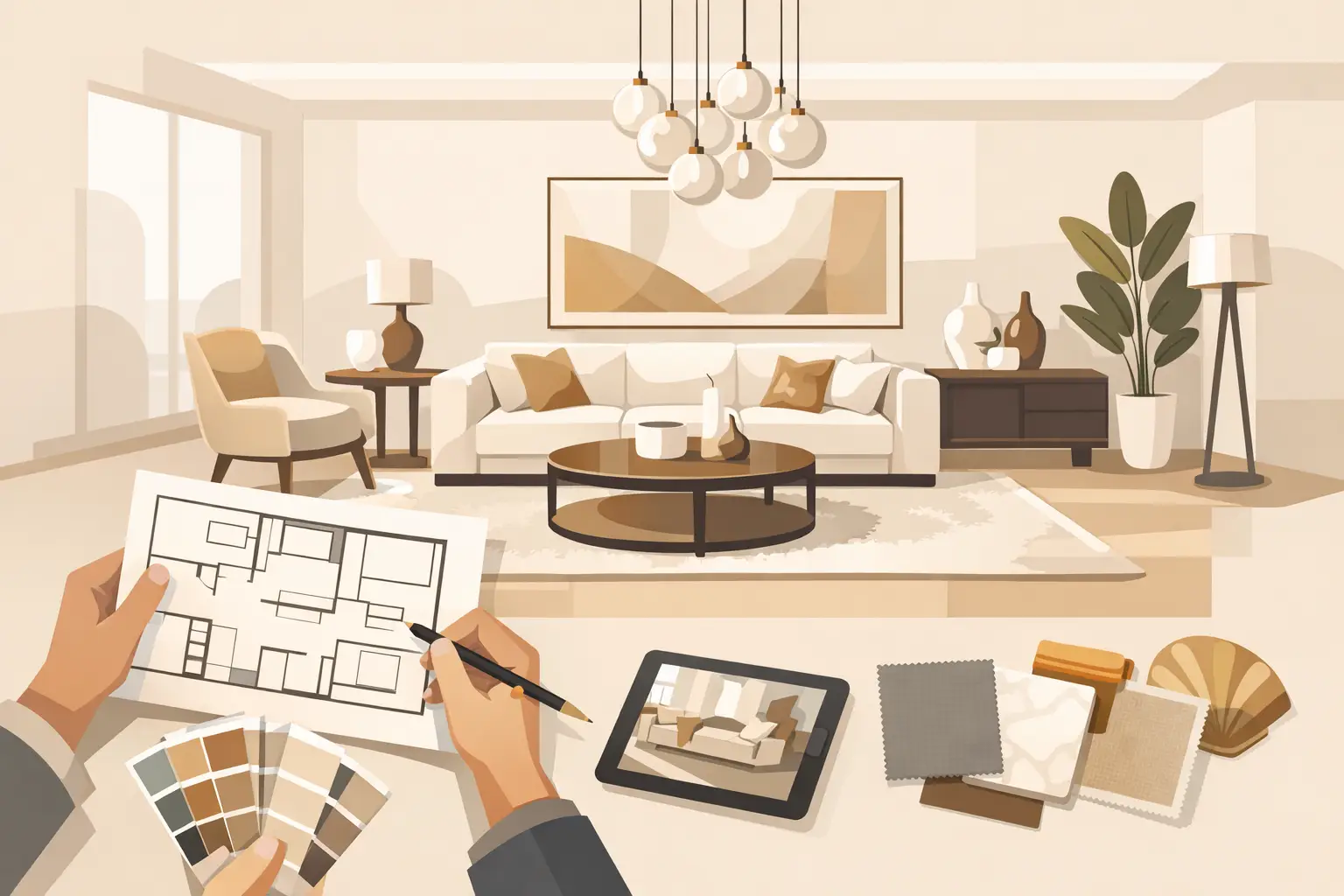
This early clarity affects everything that follows. It determines whether you need one seating zone or several, whether a striking centre table makes sense, whether delicate fabrics are suitable, and how lighting should be layered across the day and evening. Luxury planning is as much about restraint as selection. Knowing what the room must do prevents it from becoming over-designed.
How to plan a luxury living room with the right layout
Layout is where luxury becomes visible. A beautifully furnished room will still feel unresolved if circulation is awkward, seating is too far apart, or every piece is pressed against the walls. The aim is to create a room that feels composed from every angle, with generous spacing and a natural rhythm.
Start with the architecture. Consider where the eye lands on entry, how windows frame the room, whether a fireplace, artwork or view should become the focal point, and where people instinctively move. A luxury layout should feel easy, never crowded. That often means fewer pieces of better quality, each with enough space around it to be appreciated.
Proportion matters enormously. Large rooms can absorb deeper sofas, substantial coffee tables and statement lighting, but they still need intimacy. Smaller rooms benefit from precision rather than compromise – a perfectly scaled sofa, a pair of elegant chairs, a narrow console, perhaps a sculptural floor lamp rather than an oversized chandelier. Bigger is not always better. Appropriateness is what creates poise.
There is also a practical trade-off to manage. A room designed purely for appearance can feel untouchable, while one planned only for function may lose its sense of occasion. The sweet spot lies in balancing both.
Build the scheme through materials and texture
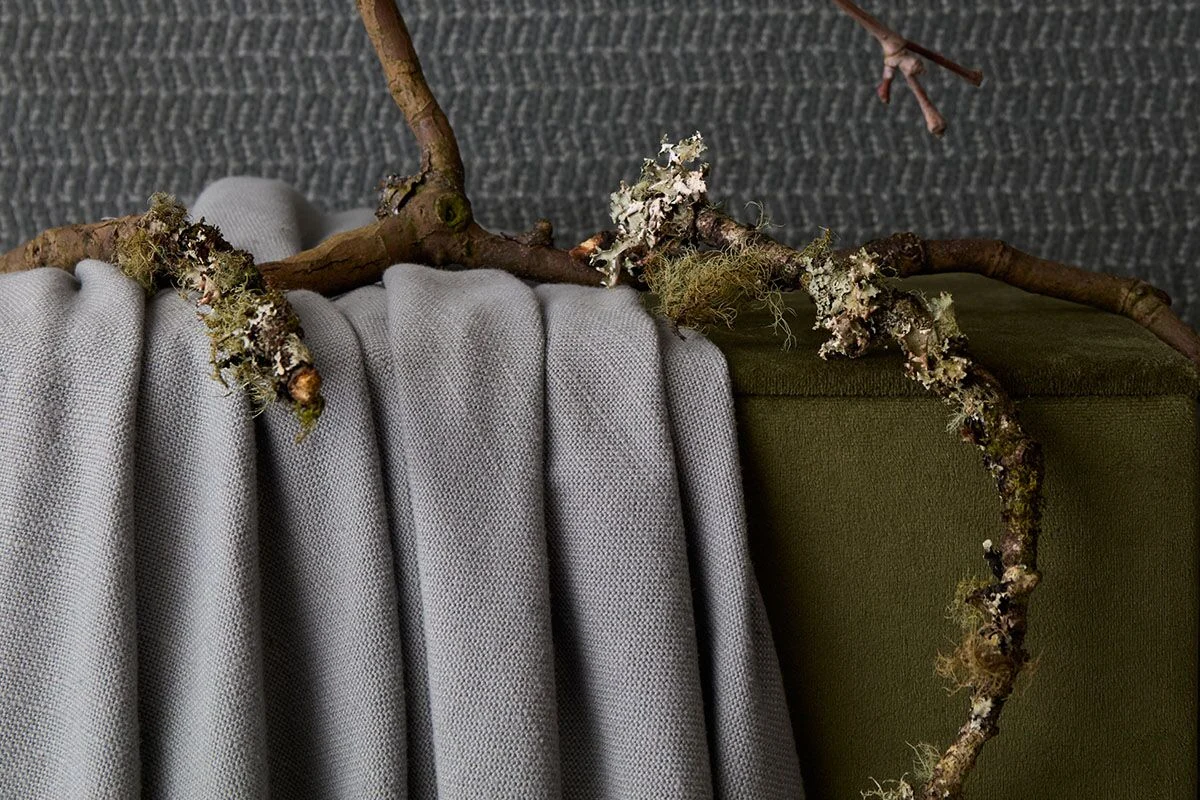
What separates a standard living room from a luxurious one is often not colour, but materiality. Richness comes from surfaces that catch light beautifully, reward touch and age with grace. This is where linen, bouclé, velvet, wool, brushed metal, smoked glass, marble, travertine and beautifully finished timber begin to shape the room’s character.
The key is layering. A neutral scheme can feel deeply luxurious when it combines matte and sheen, smooth and textured, tailored and relaxed. A soft bouclé sofa beside a polished stone table, a nubby wool rug beneath a lacquered cabinet, or linen curtains falling against refined wallcoverings all create quiet contrast. These combinations add depth without visual noise.
If you prefer a bolder palette, luxury still relies on control. Jewel tones, tobacco shades, olive, ochre or oxblood can be compelling, but they need anchoring through thoughtful repetition and balance. One of the most common mistakes in high-end interiors is using too many luxurious finishes at once. Marble, brass, velvet, gloss lacquer and patterned silk can each be beautiful, but together they may compete rather than converse.
Lighting should shape mood, not simply provide brightness
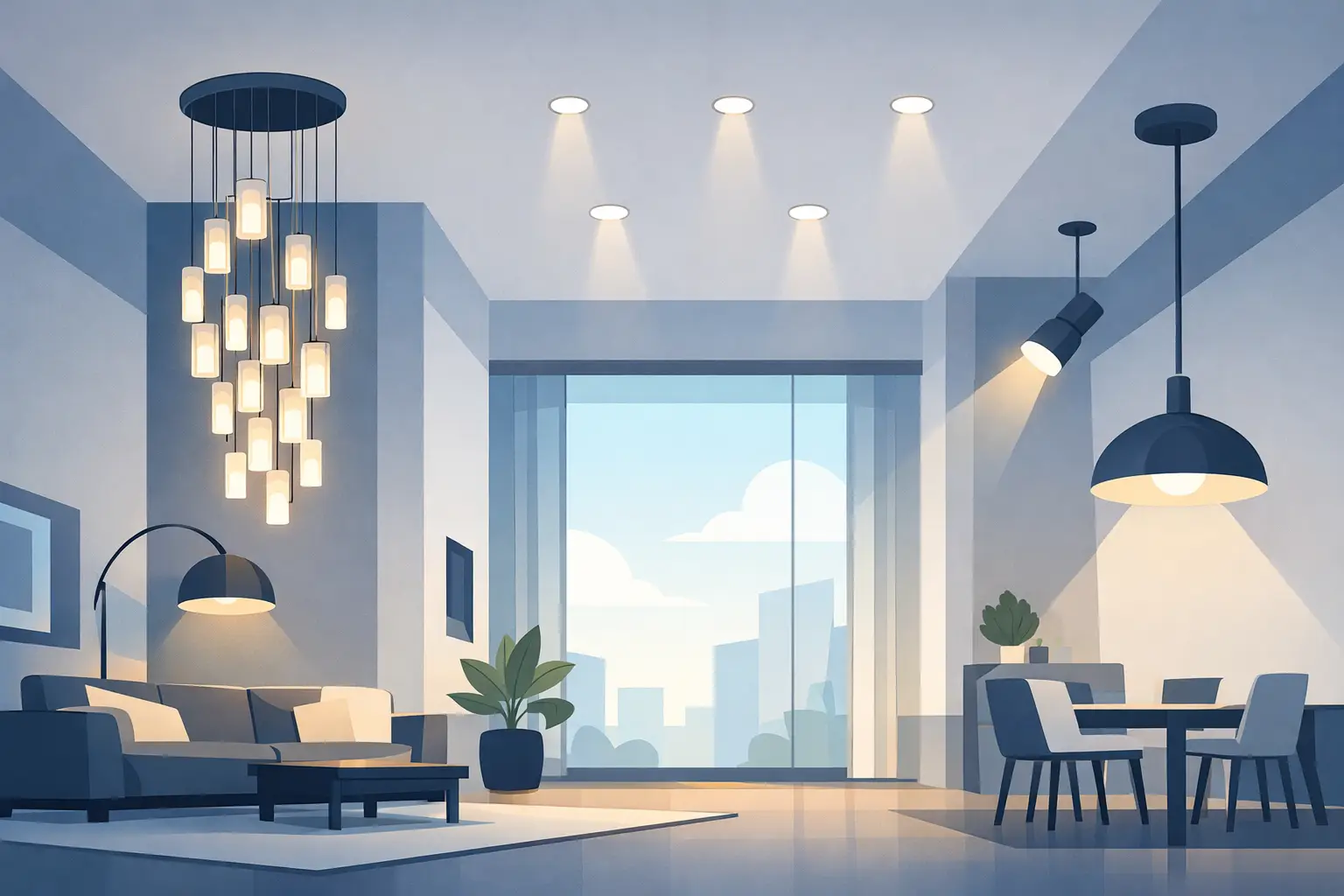
In many living rooms, lighting is treated too late. In a luxury interior, it should be considered from the outset because it affects atmosphere as much as the furnishings themselves. The best schemes rely on layering rather than a single dramatic fitting.
An overhead light can establish presence, especially if it is sculptural and thoughtfully scaled, but it should never be doing all the work. Wall lights soften the room’s edges, table lamps create pools of warmth, and floor lamps bring intimacy to reading corners or secondary seating areas. In the evening, this layering allows the room to shift from functional to cinematic.
Decorative lighting also has an emotional role. Alabaster, hand-finished ceramic, aged brass and sculpted glass each tell a different story. A statement chandelier may lend drama to a double-height space, while a pair of refined lamps on a console can bring an entirely different kind of sophistication. It depends on the architecture and on the mood you want the room to hold after dark.
Invest in fewer, better furniture pieces
Luxury furniture should feel convincing from every perspective. That means looking beyond silhouettes and considering craftsmanship, finish, joinery, upholstery quality and how a piece will live in the room over time. A sofa, for example, may be visually elegant but too shallow for genuine comfort. A striking coffee table may look impressive in isolation yet interrupt movement when installed.
This is why editing matters. Rather than filling a room quickly, choose key pieces with presence and longevity. A beautifully made sofa in a refined fabric, a pair of occasional chairs with sculptural lines, a substantial coffee table, perhaps a cabinet or console with real material depth – these form the backbone of the space.
There is also value in contrast. If every item is formal, the room can feel stiff. If everything is relaxed, it may lack definition. Combining tailored upholstery with a more characterful antique, or a clean-lined contemporary sofa with a textured artisanal table, often produces a more sophisticated result than a room bought in a single style.
Soft furnishings are where the room becomes personal
Once the major pieces are in place, textiles bring the room to life. Curtains, rugs, cushions and trimmings have the power to soften architecture, improve acoustics and make a space feel deeply considered. They also determine whether a room feels merely expensive or genuinely finished.
Curtains should be generous and beautifully made, with enough fullness to fall elegantly. Rugs need to anchor the seating, not hover awkwardly beneath the coffee table. Cushions should introduce variation in scale and texture rather than defaulting to a matching set. In luxury interiors, these details are never incidental.
This is often where a bespoke approach changes the outcome. Custom upholstery, made-to-measure curtains and carefully selected trimmings can sharpen the entire scheme. They allow the room to feel resolved in a way off-the-shelf solutions rarely achieve.
Art, objects and wall finishes create identity
A luxury living room should never feel anonymous. The final layer is what gives it authorship – art that resonates, objects with provenance, books that reflect personal interests, and wall finishes that frame the whole composition.
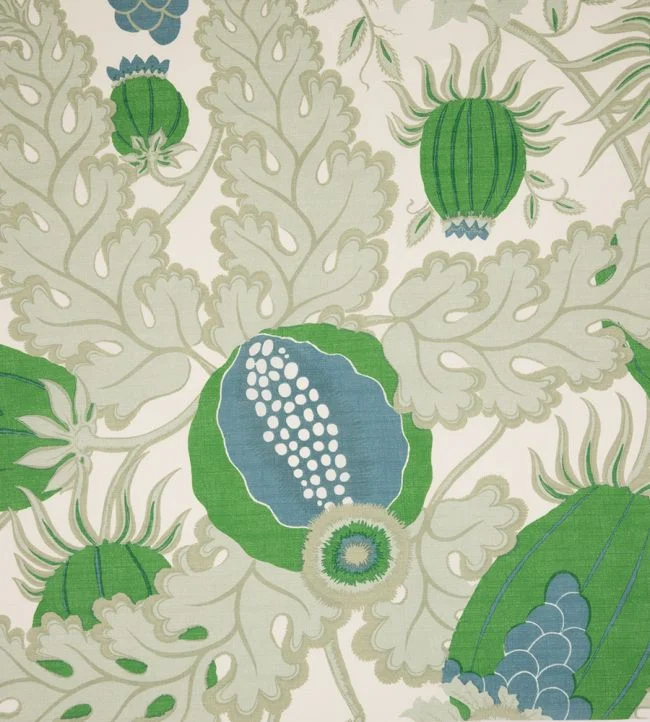
Wallcoverings can add depth, tactility and subtle pattern, particularly in rooms that need warmth or acoustic softness. In some spaces, paint is the right answer, especially where the architecture itself deserves focus. In others, a refined textile wallcovering or softly textured paper introduces a level of quiet sophistication that paint alone cannot achieve.
Decorative accessories should be chosen with care. A room does not need many objects, but those it does hold should feel intentional. Oversized vessels, sculptural bowls, collectible pieces and carefully placed mirrors can create rhythm and reflection. Too much styling, however, diminishes impact. Luxury is often felt in the confidence to leave space.
How to plan a luxury living room that lasts
The final question is not whether the room photographs beautifully, but whether it will still feel right in five or ten years. Lasting luxury is rarely trend-led. It comes from quality materials, excellent craftsmanship and a scheme rooted in your architecture, your habits and your sensibility.
This does not mean the room must be conservative. Contemporary living rooms can feel every bit as timeless as classic ones when the proportions are disciplined and the finishes are authentic. Equally, a more decorative scheme can endure if it has clarity and conviction. What dates a room fastest is not personality, but imitation.
For clients planning at a high level, this is where expert curation becomes invaluable. Access to internationally respected furniture, lighting, fabrics and wallcoverings allows a scheme to be tailored with far more nuance than a one-brand approach ever could. Tobias Oliver Interiors, for example, works across these layers in a way that supports both creativity and cohesion.
A luxury living room should do more than impress a guest for ten minutes. It should support conversation, flatter the light, invite stillness, and make everyday rituals feel a little more beautiful. When the room is planned with that level of thought, elegance stops being a surface treatment and becomes part of how the space is lived.

2nd July, 2026

1st July, 2026