






Some fabrics simply cover a chair or frame a window. Christopher Farr Cloth tends to do more than that. It brings authorship into a room – a sense that the textile was chosen not merely for colour or durability, but for its cultural point of view, its hand, and the atmosphere it creates once layered into a considered interior.
For clients shaping a home of lasting character, that distinction matters. In a market crowded with decorative fabrics, Christopher Farr Cloth stands apart for the way it connects art, craft and contemporary living. Its textiles and wallcoverings feel collected rather than manufactured, refined without becoming overly polite, and expressive without losing their practicality.
What defines Christopher Farr Cloth
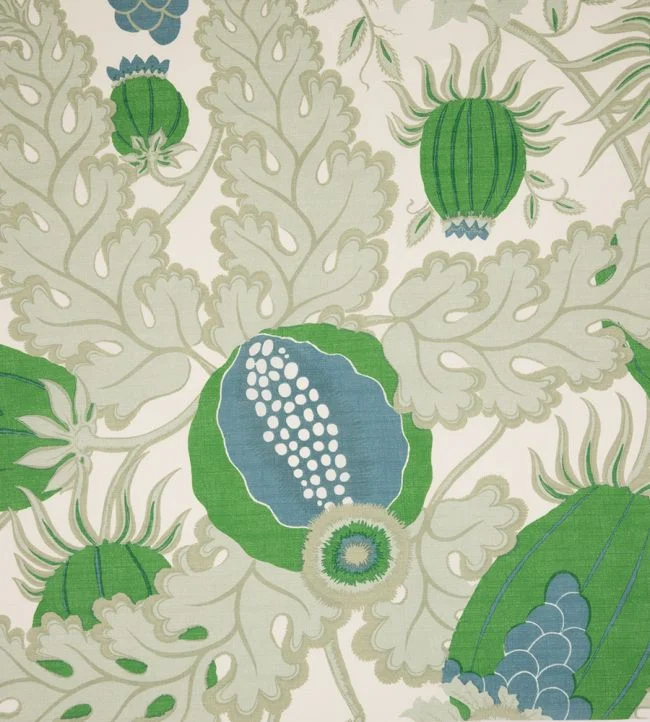
Christopher Farr Cloth is best understood as a design house where textile making is treated as a creative discipline rather than a supporting detail. The collection is known for working with artists and designers whose signatures remain visible in the final pattern, whether through abstract geometry, painterly marks, softened stripes or richly balanced repeats.
That artistic lineage gives the brand unusual depth. There is a clear respect for historic textile traditions, yet the finished collections feel current in the most sophisticated sense of the word. They are not trend-led fabrics designed to date quickly. Instead, they carry the kind of visual confidence that allows them to sit comfortably in a Georgian townhouse, a contemporary penthouse, a coastal retreat or an architect-designed country house.
This is where many luxury clients find real value. A Christopher Farr Cloth textile can become the thread that joins architecture, furniture and art into a coherent whole. It does not demand a theatrical interior to succeed. Quite often, it is the measured piece in a room that quietly gives everything else its clarity.
Why Christopher Farr Cloth resonates in luxury interiors
The appeal lies partly in balance. These are fabrics and wallcoverings with personality, but they rarely feel overworked. A design may be graphic, yet softened by texture. A palette may be bold, yet grounded by a beautifully judged base cloth. This tension between expression and restraint is what makes the collection especially useful in high-end residential work.
Luxury interiors require more than beauty at first glance. They must live well over time, under changing light, across seasons, and through the rhythms of real life. Fabrics that feel too precious can become limiting. Patterns that shout too loudly can tire. Christopher Farr Cloth often avoids both pitfalls. The collections have enough identity to shape a room, but enough nuance to remain rewarding after years of daily use.
That quality is particularly relevant for clients investing in bespoke upholstery, fully dressed windows or tailored walling schemes. When the lead time, craftsmanship and installation are all significant, the fabric choice needs to justify itself beyond fashion. It should still feel right once the novelty has passed.
The role of artistry and collaboration
One of the strongest reasons designers return to Christopher Farr Cloth is the collaborative spirit behind the brand. Rather than producing generic luxury patterns, the house has long engaged with notable creative voices, resulting in textiles that feel authored and intellectually grounded.
This matters because authorship changes the mood of a room. A fabric with a discernible artistic origin carries more than decoration – it introduces rhythm, memory, and often a subtle sense of conversation between disciplines. In a sophisticated interior, these layers are what prevent a scheme from feeling formulaic.
For the homeowner, the effect is felt emotionally rather than academically. A bedroom becomes more restful because the pattern has softness and cadence rather than noise. A drawing room gains depth because the upholstery introduces graphic structure without hardness. A hallway wallcovering sets an immediate tone of confidence and curiosity. Good textiles shape experiences in precisely this quiet way.
Where Christopher Farr Cloth works best
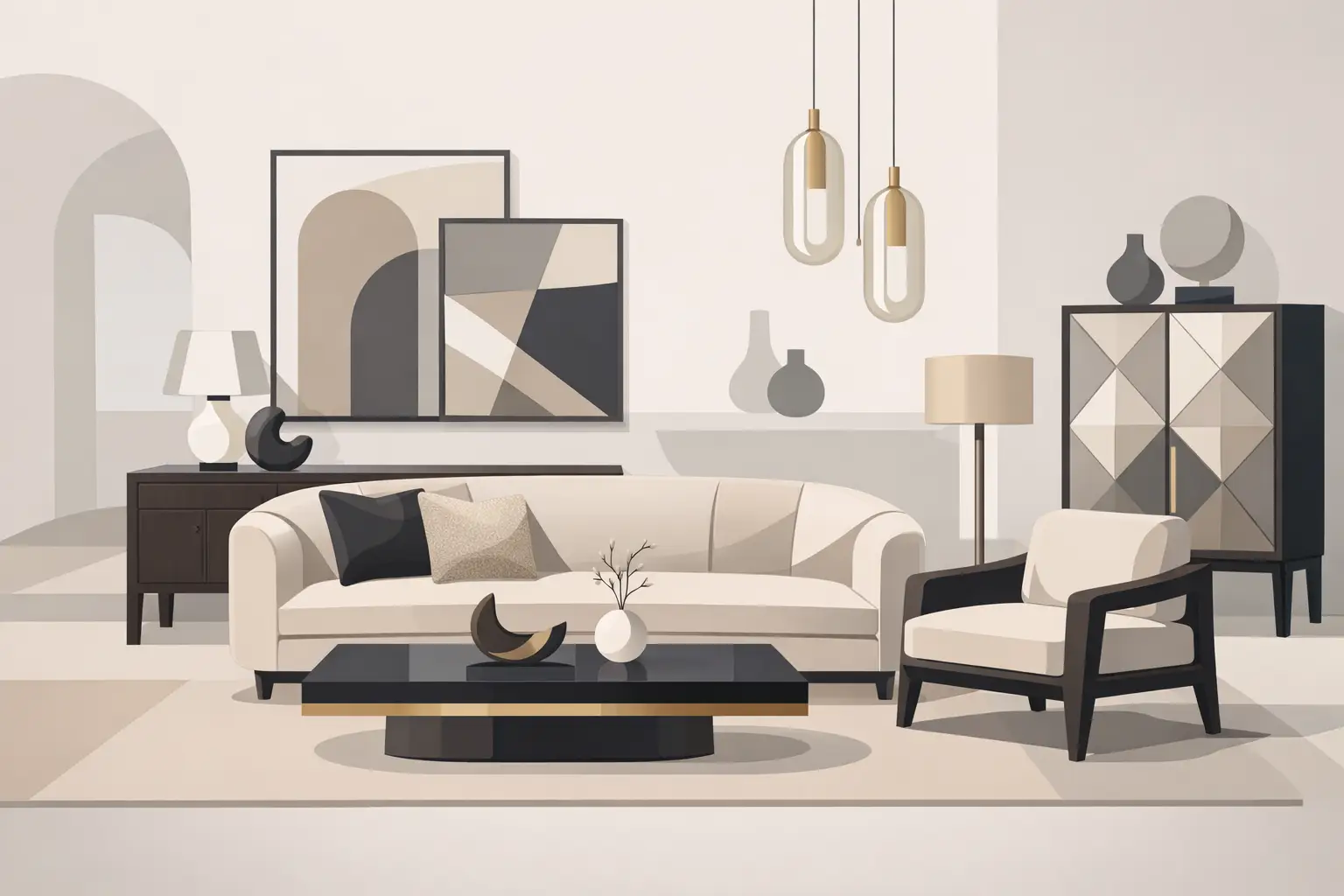
The versatility of the collection is one of its strengths, although not every design belongs in every setting. In formal rooms, Christopher Farr Cloth can bring a needed looseness – something artisanal and human against architectural symmetry. In more minimal spaces, it can provide texture and narrative so that clean-lined interiors do not feel sterile.
It is especially compelling in rooms that benefit from layering. Think upholstered headboards, tailored Roman blinds, accent chairs, ottomans, and cushions that connect larger architectural gestures to everyday comfort. The wallcoverings can also be transformative, particularly in studies, dressing rooms, entrance halls and guest bedrooms where a more immersive treatment can afford to be bolder.
There is, however, a trade-off to consider. Some patterns carry a strong visual identity and therefore need space to breathe. In a room already full of statement furniture, highly figured stone or competing artwork, the better choice may be a quieter weave or a more restrained repeat. The most successful schemes are rarely built on maximum impact at every turn. They rely on editing.
Colour, texture and the question of longevity
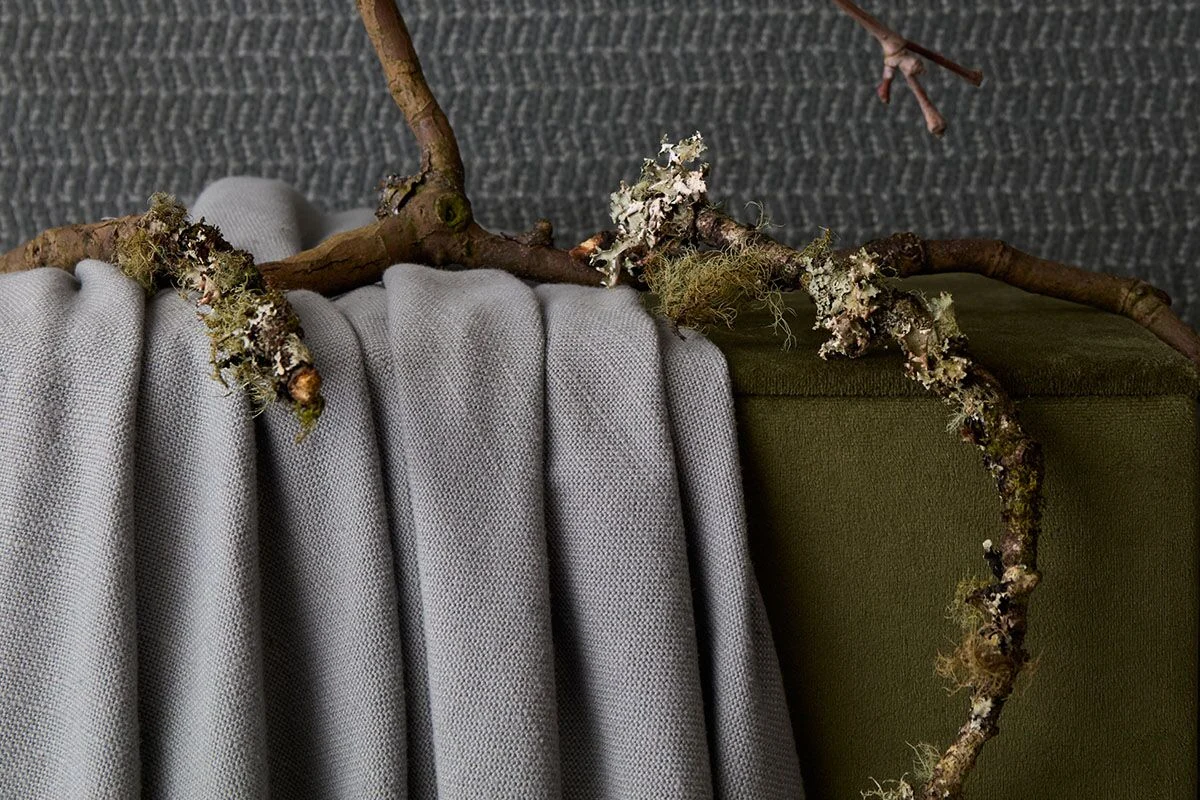
Christopher Farr Cloth is often admired for pattern, but texture deserves equal attention. The tactile quality of a fabric affects how luxurious it feels in daily life. A room can look elegant in photographs yet fail in person if every surface feels flat or overly slick. The best interiors engage the senses more subtly than that.
Texture is also where the brand’s sophistication often reveals itself. Printed linens with dry, organic character, richly woven cloths with visible depth, and wallcoverings with a slight irregularity all contribute to rooms that feel composed rather than decorated. These are not surfaces chosen only to be seen. They are chosen to be lived with.
Longevity, though, depends on specification as much as aesthetics. In a principal sitting room used by children and guests, a delicate fabric may not be the wisest answer for every surface. In a formal reception room used more selectively, a more expressive textile may be entirely appropriate. This is where professional guidance makes a measurable difference – not by reducing creativity, but by placing it where it will perform beautifully.
How to use Christopher Farr Cloth well
The most elegant use of Christopher Farr Cloth begins with intention. Rather than scattering a pattern across a scheme because it is admired in isolation, it helps to ask what the room needs. Does it need warmth, structure, softness, movement, or a focal point? The fabric should answer that question.
In some interiors, a single Christopher Farr Cloth design can become the starting point for the whole palette. A woven stripe may inform the lacquers, timber tones and metal finishes elsewhere in the room. In others, the textile is the final layer – the element that introduces complexity once the architectural envelope, upholstery shapes and key furniture pieces are already established.
Scale is another consideration. A pattern that looks exquisite on a cushion may feel too busy across full-length curtains, while a large repeat that sings on a wall may disappear on a petite chair. The room’s proportions, natural light and viewing distance all influence the right application.
For clients seeking a home with individuality rather than predictable luxury, this is where Christopher Farr Cloth has unusual power. It allows a scheme to feel personal and cultivated without resorting to obvious statements. That is a harder quality to achieve than it sounds.
Christopher Farr Cloth in a wider design scheme
No textile exists in isolation, especially in high-end interiors where lighting, furniture, finishes and decorative details all need to speak the same language. Christopher Farr Cloth works best when it is part of a broader composition. The right stone, bronze patina, hand-finished timber or sculptural lamp can sharpen the beauty of a fabric dramatically.
This is why curated sourcing matters. In a well-resolved interior, the fabric is not carrying the full burden of interest. It is in dialogue with the room’s other materials. A geometric weave might sit against an antique rug and contemporary lighting to create tension. A lyrical print might soften architectural joinery and marble. A textured wallcovering can elevate even a relatively restrained furniture plan.
Within a carefully edited luxury portfolio such as Tobias Oliver Interiors, Christopher Farr Cloth sits naturally among other design-led brands because it shares the same values – craftsmanship, originality, and a refusal to confuse excess with sophistication.
Why it continues to endure
Many fabric houses can deliver luxury. Fewer can deliver identity with this level of ease. Christopher Farr Cloth endures because it offers more than surface appeal. It gives designers and homeowners a way to create interiors that feel informed, tactile and deeply individual, without becoming self-conscious.
For those investing in a home that should evolve gracefully over time, that is the real attraction. The right textile does not simply finish a room. It gives the room a voice, and Christopher Farr Cloth does that with rare assurance.
The most memorable interiors are often built from decisions that seem quiet at first glance. Then you live with them, and realise they were doing the heaviest lifting all along.

12th July, 2026

11th July, 2026