





There is a reason Dedar appears so often in the most composed private residences and quietly confident hospitality spaces. Any serious Dedar fabric review has to begin there – not with trend language, but with the reality that this is a textile house chosen by designers who care as much about atmosphere as they do about performance.
Dedar is not a fabric brand for those seeking safe background cloth. Its collections are expressive, technically accomplished and often unexpectedly modern, even when the reference point feels historic. For homeowners furnishing a principal residence, a penthouse, a country house or a beautifully layered flat, that distinction matters. The right textile does more than finish a room. It changes the cadence of the space, softens architecture, catches light differently through the day and gives a scheme its emotional temperature.
Dedar fabric review: what sets the brand apart
Founded in Italy, Dedar has built its reputation on a distinctive tension between experimentation and refinement. That balance is difficult to achieve. Many luxury fabric houses are either heavily decorative or resolutely understated. Dedar manages to sit between the two, offering textiles that can be quietly architectural one moment and richly theatrical the next.
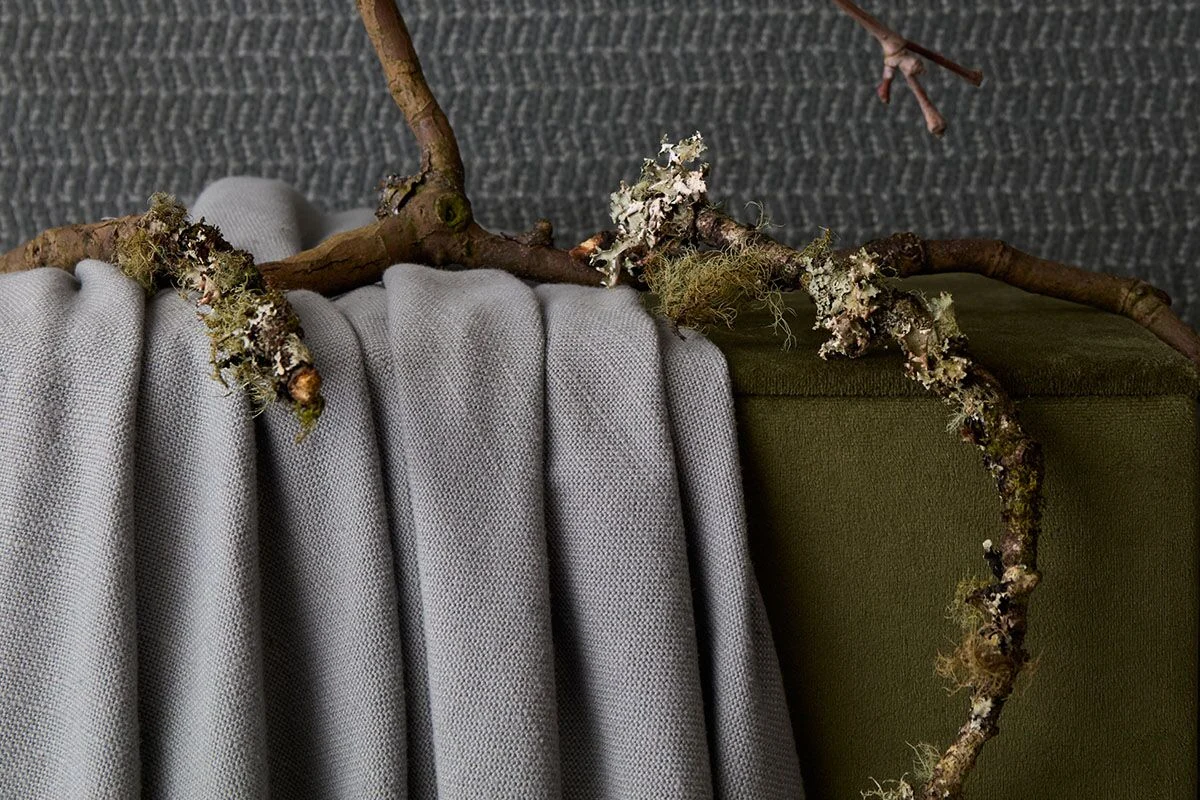
What stands out first is the handle. Dedar fabrics tend to feel considered in the hand – supple where they should be, structured where the application demands it, and rarely overworked. There is often an intelligence to the finish that reveals itself gradually. A velvet may have depth without heaviness. A sheer may diffuse light without becoming insubstantial. A boucle or woven upholstery may have body and character without reading as coarse.
The second distinguishing feature is colour. Dedar has long understood that luxury colour is rarely about volume. It is about subtle complexity. Their palettes often move beyond obvious neutrals into mineral tones, softened pigments, smoky greens, ochres, clays, ink tones and beautifully judged off-whites. Even the bolder shades tend to feel edited rather than loud.
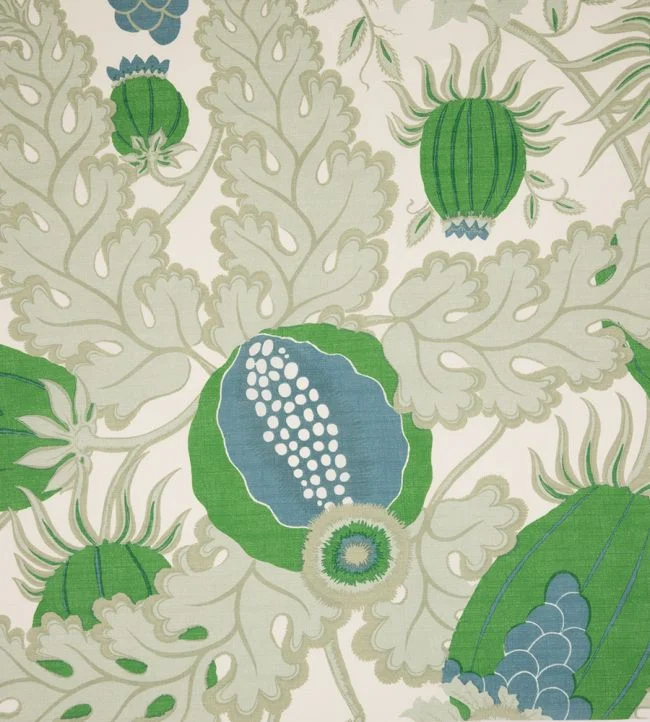
Then there is pattern. Dedar is particularly adept at creating textiles that hold visual interest without overwhelming a room. Some motifs are graphic and contemporary, others more organic or poetic, but the common thread is restraint. These are fabrics that reward close attention.
How Dedar performs in real interiors
A fabric can look exceptional on a hanger and still disappoint once upholstered, lined, pleated or exposed to daily use. This is where a thoughtful Dedar fabric review becomes more useful than a purely aesthetic appraisal.
For upholstery, Dedar offers some genuinely strong options, especially where a project calls for tactility and visual sophistication in equal measure. Many of their boucles, textured plains and velvets work beautifully on occasional chairs, headboards and tailored sofas in formal or semi-formal spaces. In drawing rooms, studies and principal bedrooms, they can create exactly the kind of layered richness many luxury schemes need.
That said, suitability depends on the room and the household. Some Dedar fabrics are ideal for decorative use but less appropriate for high-traffic family seating or areas exposed to pets, constant sunlight or intensive commercial wear. This is not a criticism so much as a reminder that luxury specification must always be precise. The most beautiful cloth in the wrong application will age poorly, regardless of brand.
For curtains, Dedar is often exceptional. The drape is one of the brand’s strengths, particularly in softer linens, elegant blends and sheers that respond beautifully to movement and light. In taller spaces – double-height reception rooms, grand bedrooms or formal dining rooms – these textiles can lend a room architectural softness without dulling its clarity.
Their decorative fabrics also perform especially well in panels, cushions and layered accents, where the nuance of weave and colour can be appreciated more intimately. In these uses, Dedar often delivers the kind of detail that elevates a scheme from accomplished to memorable.
The design language of Dedar
One of the most compelling aspects of Dedar is that it does not feel formulaic. Some fabric houses become instantly recognisable in a limiting way. Dedar has a stronger editorial sensibility than that. The collections feel curated, but not repetitive.
There is usually a pleasing dialogue between art, fashion, architecture and textile tradition. You may see references to mid-century modernism, Italian design culture, abstract geometry or antique surfaces, yet the result rarely feels nostalgic. Instead, the fabrics tend to carry a current, metropolitan elegance.
This is especially valuable for clients who want interiors that feel cultivated rather than overly staged. Dedar works well in homes where the architecture is already strong and the furnishing scheme needs texture, movement and distinction without unnecessary excess. It can also bring freshness to more classical rooms, particularly when used to offset traditional joinery or period detailing with something less expected.
Is Dedar worth the price?
In the luxury textile market, value is never just about the metre price. It is about design integrity, longevity, finish and the contribution a fabric makes to the room as a whole. On that basis, Dedar often justifies its position.
You are paying for creative direction, technical development and a level of aesthetic confidence that is not easily replicated. There is a difference between an expensive fabric and a meaningful one. Dedar’s best textiles do not simply signal cost. They shape the character of the room.
Still, this is a brand best suited to clients who understand where investment matters. If a room requires practical, everyday upholstery for heavy family use, there may be cases where a more performance-led fabric from another house is the wiser decision. If, however, the brief is to create sophistication, atmosphere and a layered sense of luxury, Dedar can be excellent value because it does a great deal of visual work.
This is particularly true in rooms where fabric is a major architectural presence – long curtains, fully upholstered walls, statement headboards, banquette seating or sculptural occasional furniture. In those settings, the difference between ordinary and exceptional textile selection is immediately visible.
Where Dedar fabric works best
Dedar is especially compelling in principal bedrooms, formal sitting rooms, dressing rooms, boutique hospitality settings and reception spaces where mood matters. It is also a strong choice for design-led urban interiors that need softness without losing edge.
In calmer schemes, its textured plains and sophisticated neutrals can create depth without visual noise. In more expressive interiors, the brand’s bolder weaves, lustrous velvets and graphic motifs can introduce tension and personality.
Where it can be less straightforward is in very relaxed, casual family interiors where ease of maintenance is the overriding concern. Some collections will absolutely suit those spaces, but not all. This is a house that rewards careful specification rather than broad-brush selection.
Scale is another consideration. Certain Dedar patterns and textures need space to breathe. In a compact room with multiple competing surfaces, they may lose their elegance. In a more resolved scheme with room for contrast and quietness, they tend to come into their own.
What to look for before specifying Dedar
The smartest way to approach Dedar is to think beyond sample-book attraction. A small swatch can tell you about colour and touch, but it cannot fully show drape, sheen, repeat scale or how the fabric will behave across a larger surface.
Light matters enormously. Some Dedar fabrics become more dimensional in natural daylight, while others reveal their richness under evening lamplight. That quality can be a major advantage, but it should be anticipated rather than left to chance.
You should also consider how the textile sits alongside other materials in the room. Dedar pairs especially well with natural stone, smoked timber, bronze finishes, lacquer, parchment and quietly luxurious upholstery leathers. It thrives in layered compositions where surface and tone are given room to converse.
For clients seeking a highly polished result, professional guidance is worthwhile. Fabric selection at this level is rarely about choosing the prettiest option. It is about proportion, context, backing, rub count, lining, tailoring and the practical life of the room. That is often where a design-led sourcing approach proves its value.
Final thoughts on this Dedar fabric review
Dedar is at its best when used with intent. It is not simply luxurious because it is expensive or internationally recognised. It is luxurious because it has point of view – and in interiors, that is what people remember.
For those building homes that feel personal, intelligent and enduring, Dedar offers more than surface beauty. It offers atmosphere, texture and a certain quiet assurance that the room has been composed rather than merely furnished. Choose it carefully, place it thoughtfully, and it will do what the finest textiles always do – make the entire interior feel more complete.

9th July, 2026

7th July, 2026