






Some furniture brands furnish a room. Andrew Martin tends to give it a point of view.
For clients who want their home to feel collected rather than merely completed, Andrew Martin has long held a distinctive place in luxury interior design. The brand is recognised for interiors that balance polish with personality – spaces that feel worldly, comfortable and confidently composed rather than overly formal. That is precisely why it continues to resonate with discerning homeowners, designers and developers seeking interiors with depth.
Why Andrew Martin still matters
Andrew Martin occupies a rare position in the market. It is luxurious, certainly, but not in a way that feels remote or precious. Its appeal lies in the tension it handles so well: tailored yet relaxed, expressive yet liveable, decorative yet grounded in use.
That balance matters. Many high-end interiors fall into one of two traps. They either feel visually impressive but emotionally cold, or they prioritise comfort at the expense of sophistication. Andrew Martin sits in the space between those extremes, which is where the strongest residential schemes often live.
The brand’s design language has always drawn from travel, culture and layered references. You can sense that in pieces that combine classic silhouettes with textural finishes, or in furniture that feels equally at ease in a London townhouse, a coastal villa or a contemporary penthouse. There is glamour, but it is tempered by warmth. There is statement, but rarely theatre for its own sake.
The Andrew Martin aesthetic
At its best, the Andrew Martin look is not about matching sets or rigid design formulas. It is about atmosphere.
There is often a generosity to the proportions – deep seating, substantial tables, mirrors with presence, storage that anchors a room rather than disappearing into it. Materials are chosen for effect as much as durability: rich timbers, tactile upholstery, smoked finishes, metal detailing and surfaces that catch light softly rather than aggressively.
What makes the aesthetic particularly useful in premium residential design is its flexibility. Some collections lean more urban and tailored, ideal for flats and architectural homes. Others feel softer, more travelled and more relaxed, lending themselves beautifully to country houses, family residences and hospitality-inspired interiors. The common thread is an ease that prevents luxury from feeling stiff.
This is often where affluent clients find real value. They are not simply buying individual items. They are investing in rooms that shape experience – spaces that feel welcoming at breakfast, elegant during an evening gathering and quietly reassuring every day in between.
Where Andrew Martin works best in the home
Andrew Martin furniture performs especially well in rooms that need both structure and character. A drawing room or principal living space is an obvious example. Here, a well-chosen sofa, sculptural coffee table or statement mirror can set the tone for the entire scheme, creating a foundation that feels elevated without becoming formal.
In dining rooms, the brand’s strength is often in its ability to bring presence without heaviness. That matters in open-plan homes, where furniture must hold its own architecturally while still sitting comfortably within a wider visual language. A dining table with considered detailing or a set of elegantly upholstered chairs can define the space while preserving flow.
Bedrooms also benefit from the Andrew Martin approach. Luxury in a bedroom should feel enveloping rather than overworked. Pieces with upholstered finishes, refined timber tones and subtle decorative detail help create a retreat that feels layered and calm.
Hallways and transitional spaces are another strong fit. Console tables, mirrors and accent pieces can introduce a sense of narrative from the moment one enters the home. These are often overlooked areas, yet they are where design confidence is first felt.
Andrew Martin and the art of layering
The most successful schemes featuring Andrew Martin rarely rely on the brand in isolation. Its real strength emerges when it is placed within a broader, carefully curated design story.
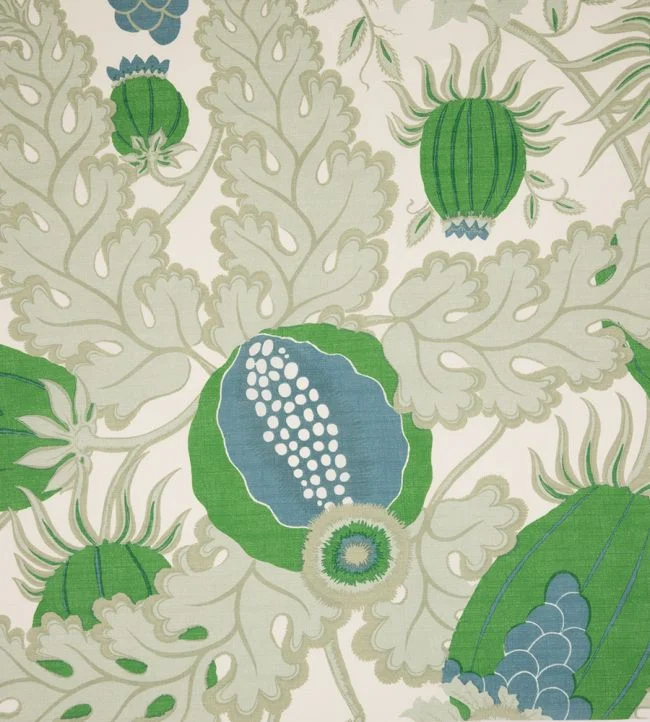
A room becomes more persuasive when furniture, lighting, textiles and wallcoverings speak to one another in tone rather than repetition. An Andrew Martin console might sit beneath a sculptural lamp with artisanal texture. A tailored sofa may be softened by bouclé cushions, a woven rug and wallcoverings that add quiet movement. This is where luxury interiors begin to evoke emotion rather than simply signal cost.
For that reason, Andrew Martin is particularly effective in layered schemes that mix clean architectural lines with decorative nuance. It pairs well with refined contemporary lighting, expressive fabrics and accessories that add tactility and contrast. The result is not a showroom look but a home with rhythm.
That said, restraint still matters. Because many Andrew Martin pieces have personality, they benefit from breathing space. Over-layering can dilute impact. The strongest rooms know when to let one exceptional piece lead and when to keep the supporting elements quieter.
Choosing Andrew Martin furniture well
Selecting Andrew Martin successfully is less about following trend and more about understanding the room’s purpose.
A principal reception room used for entertaining can carry bolder gestures – darker finishes, stronger silhouettes, richer upholstery. A family sitting room may need the same visual quality but with softer edges and more forgiving materials. In a pied-à-terre or city flat, scale becomes particularly important. A piece may be beautiful in isolation and entirely wrong for the architecture around it.
This is where expert curation makes the difference. Luxury furniture should never be chosen purely as an isolated object. It must respond to ceiling height, natural light, circulation, joinery, flooring tones and the client’s way of living. A smoked glass table, for instance, may feel glamorous in a spacious room with generous daylight, but in a darker space a lighter stone or timber finish might bring greater balance.
The same applies to upholstery. Texture is often more powerful than pattern in elevated interiors, but it depends on what else is happening in the scheme. If the walls are richly treated and the lighting is sculptural, upholstery may need to be quieter. If the architecture is minimal, a more expressive fabric can introduce warmth and personality.
Andrew Martin for contemporary luxury living
One reason Andrew Martin continues to appeal across international markets is that its style translates well. It is recognisably high-end but not confined to one regional design language.
For globally minded clients, that flexibility is valuable. Homes today are often influenced by multiple references – European architectural detail, contemporary American scale, Mediterranean ease, boutique hotel layering, artisanal craftsmanship from further afield. Andrew Martin sits comfortably within that conversation because it does not feel culturally narrow.
It also reflects a broader shift in luxury living. Increasingly, clients are moving away from interiors that feel too pristine to inhabit. They want elegance, certainly, but also comfort, individuality and rooms that support real life. They want homes that tell a story without explaining themselves too loudly.
Andrew Martin answers that desire well. Its pieces can feel cosmopolitan and relaxed at once, which is a difficult combination to achieve. That is especially relevant in substantial family homes and second residences, where rooms must work across different seasons, occasions and generations.
A considered investment, not a passing statement
Luxury furniture is rarely about immediacy alone. The best pieces justify themselves over time through craftsmanship, proportion and enduring visual relevance.
Andrew Martin tends to reward that kind of long view. While some finishes or forms may feel more directional from one collection to the next, the broader design sensibility remains anchored in liveability and character. That gives the brand staying power.
Of course, not every piece suits every project. Some interiors call for a quieter architectural minimalism, while others need a more formal classicism. Andrew Martin is strongest where a client wants richness, personality and an editorial sense of layering. Used thoughtfully, it can bring exactly the right degree of depth.
For those building a home that feels polished but personal, worldly yet deeply comfortable, Andrew Martin offers more than furniture. It offers a way of composing rooms that feel as good as they look. In the right scheme, that kind of design does not merely fill a space – it gives it memory, mood and lasting presence.

3rd July, 2026

2nd July, 2026