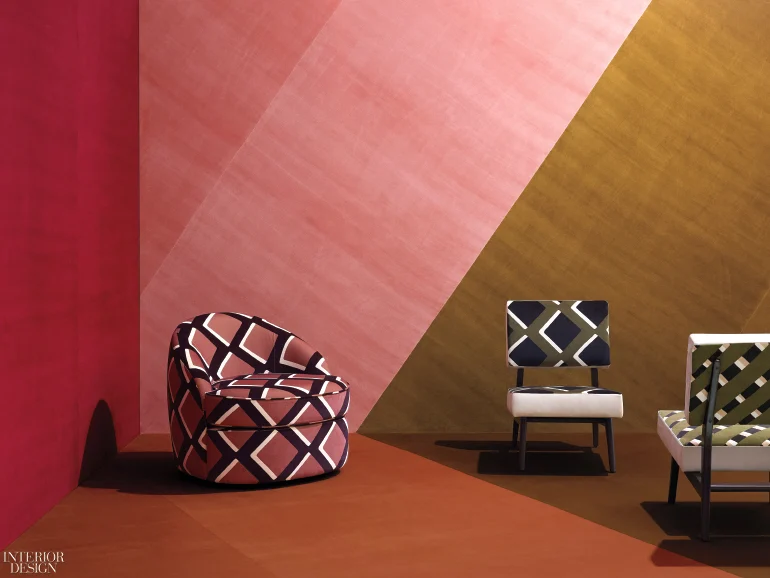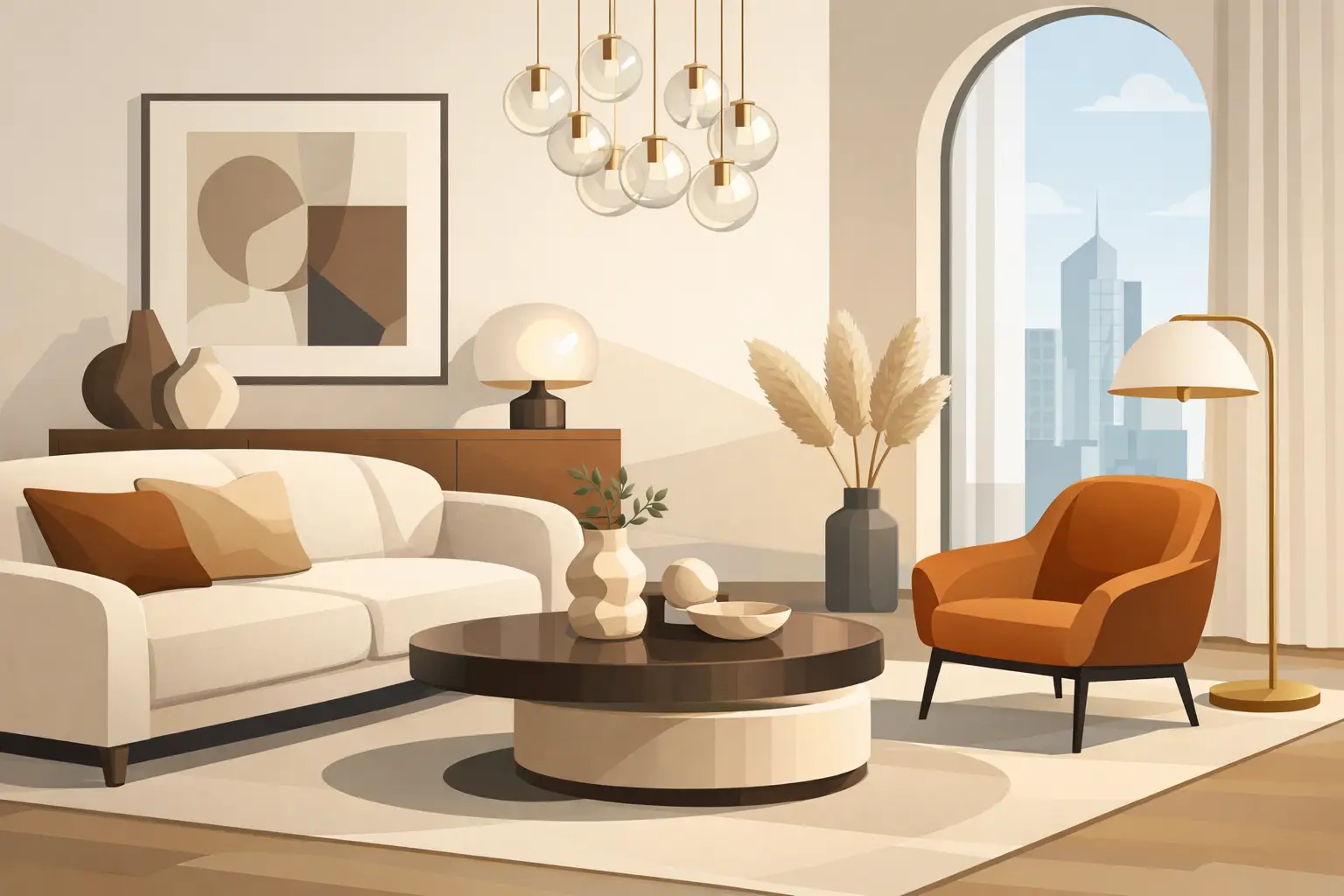
A beautifully made sofa changes more than a sitting room. It alters the pace of the space, invites people to linger and gives every surrounding detail a stronger sense of purpose. The most compelling luxury furniture brands understand this: their pieces are not simply designed to be noticed, but to be lived with – generously, comfortably and for years to come.
For discerning homeowners and design professionals, choosing furniture at this level is less about collecting recognisable names than composing an interior with depth. Craftsmanship matters, certainly, but so do scale, silhouette, tactility and the quiet relationship between one piece and the next. A chair may be sculptural, a console may feel architectural, and a cabinet may introduce a note of history. Together, they shape experiences and tell a more personal story.
What distinguishes luxury furniture brands?
The difference is rarely one dramatic feature. It lies in a succession of considered decisions: the weight of a drawer, the grain selection in a timber veneer, the tension of an upholstered seat, the way a brass detail has been finished, and the proportion of a table from every angle. These are qualities that often become more evident over time, rather than announcing themselves on first view.
Luxury furniture also has a point of view. The strongest brands develop a recognisable visual language without making every room feel like a showroom. A Julian Chichester cabinet might bring texture, patina and a tailored sense of glamour; a Christopher Guy chair can introduce an expressive, fluid line; a William Yeoward piece may lend a room decorative ease and cultivated character. Each can be distinctive, yet each needs to be selected in response to the architecture and atmosphere of the home.
This is where considered curation becomes more valuable than following a single signature look. A contemporary penthouse may benefit from crisp forms, restrained finishes and furniture that frames a view without competing with it. A country house can accommodate more layered materials, softened profiles and pieces with a sense of age or artisanal irregularity. Neither approach is inherently more luxurious. The right choice is the one that feels convincing in its setting.
Craftsmanship that earns its place
High-quality construction is fundamental, although it should never be reduced to a checklist. Solid timber, hand-applied finishes, carefully matched veneers and traditionally upholstered frames all indicate care, but they matter because they affect the experience of ownership. They bring resilience to daily life and a richness that improves with use.
Upholstery offers a particularly clear example. The refinement of a sofa is found not only in its fabric but in its internal construction, seat depth, cushion filling and tailoring. A feather-wrapped cushion may offer an indulgently relaxed sit, while a more structured foam and fibre composition can retain a sharper outline in a formal drawing room. There is a trade-off: the former often asks for more plumping, while the latter may feel less enveloping. Luxury should meet the way a room is actually used.
Finishes deserve the same scrutiny. Lacquer, shagreen, hand-gilded metal, cerused oak and hand-finished plaster each respond differently to light and touch. A surface with movement and nuance can give a minimal room its warmth. Conversely, in a richly layered interior, a quieter finish may provide essential visual rest.
Choosing luxury furniture brands for your home
Begin with the character of the room, not the product category. Before considering a dining table or occasional chair in isolation, assess the architecture, ceiling height, natural light and intended rhythm of the space. A low, elongated sofa can make a large living room feel elegantly grounded, but may appear compressed in a room with limited width. A generous dining table creates a wonderful sense of occasion, provided circulation around it remains effortless.
Proportion is one of the most valuable forms of luxury. It is also one of the easiest details to misjudge when shopping from dimensions alone. The height of a console in relation to artwork, the arm profile of a chair beside a fireplace and the depth of a bedside table next to a substantial bed all influence whether a room feels composed or merely furnished.
For this reason, it is often helpful to establish the anchor pieces first. In a reception room, this may be the sofa, rug and principal lighting. In a dining room, it may be the table, chairs and a statement chandelier. Once those foundations are resolved, occasional furniture can add individuality without creating visual noise. A striking side table or sculptural cabinet has greater impact when it has room to breathe.
Colour and material should be considered as a continuous conversation. A dark timber dining table can be softened with textured linen upholstery, pale plaster walls and warm metal lighting. A room centred on ivory bouclé may need the contrast of ebonised wood, aged bronze or a deeply toned rug to prevent it feeling insubstantial. The aim is not perfect matching; it is balance.
Distinctive design, not a matching set
The desire for coherence can lead to overly coordinated rooms. Purchasing every major piece from one collection is efficient, but it can remove the tension that makes an interior memorable. The more enduring approach is to create dialogue between different eras, materials and design voices.
A refined scheme might pair a tailored contemporary sofa with an antique-inspired mirror, a modernised classical console and lighting with a hand-crafted ceramic or plaster finish. Brands such as Porta Romana and AERIN can bring decorative presence and softness to these compositions, while furniture with cleaner architectural lines introduces structure. The result feels collected rather than assembled.
This does not mean every room needs an unexpected gesture. Restraint is often what allows an exceptional piece to hold its own. A quietly beautiful chest, made with an unusual finish or thoughtful hardware, may be more enduring than an overtly theatrical statement. It depends on the role the room must play: a formal entrance hall can carry drama; a family living room usually benefits from comfort being the first impression.
The value of a layered investment
Luxury furniture is frequently discussed as an investment, though this deserves a more nuanced interpretation. Not every premium piece will become collectible, and resale value should not be the sole measure of worth. The real return is found in longevity, adaptability and the daily pleasure of living with objects that have been chosen with discernment.
Well-made furniture can move with a household through different homes and changing decorative schemes. A timeless dining table may sit comfortably in a Georgian townhouse, a coastal retreat or a contemporary city residence when its surrounding chairs, lighting and textiles evolve. This flexibility is one reason to favour exceptional core pieces over short-lived trends.
It is also worth allocating budget according to touchpoints. Invest where the body and eye return most often: the sofa, dining chairs, bed, principal table, bedside pieces and lighting that defines the room after dark. Decorative accessories and smaller occasional items can then introduce seasonal shifts or a more experimental note without compromising the underlying composition.
For projects requiring a highly tailored result, bespoke adjustments can make a significant difference. A revised fabric, alternate timber finish, custom size or specialist trim can turn a beautiful standard design into a piece that belongs unequivocally to its setting. This is particularly relevant in period properties, unusual floorplans and hospitality spaces, where standard proportions may not serve the architecture.
A considered approach to lasting interiors
The finest luxury furniture brands offer more than prestige. They provide material intelligence, creative authorship and a level of detail that can transform the emotional register of a room. Yet the name on the label should be the beginning of the conversation, not the end of it.
At Tobias Oliver Interiors, a globally curated portfolio allows furniture, lighting, textiles and decorative elements to be considered as one complete language. The most successful interiors are not built around a single purchase. They evolve through confident choices, attentive layering and pieces that continue to reveal their value long after the room is complete.
Choose furniture that earns its presence: pieces with proportion, craftsmanship and enough character to remain meaningful as life around them changes.

13th August, 2026

12th August, 2026