



Fabrics: an introduction
Fabrics play a fundamental role in our lives. From the clothes we wear, to the linens and throws we bring into our home, or the upholstery we choose for our furnishings. Fabrics are integral for our comfort, wellbeing and expression of our personality.
As interior designers, we can choose from an abundance of fabrics for any design scheme. It is imperative that they are chosen for not only its suitability and desired purpose, but to ensure the vision is maximised and the clients’ expectations are exceeded.
Within Interior Design, fabrics are used for an array of elements such as curtains, upholstery, cushions, and rugs. They can significantly improve the ambiance of a room, allowing interior designers to combine patterns, textures and colours to transform the space to fit the desired design intent, whilst also providing functional benefits such as insulation, privacy, and acoustic dampening.
For our September issue, we’ll dive into the different types of fabrics, their qualities, and provide you with some top tips on choosing the right fabric for your home! Furthermore, we’re giving you an exclusive discount of 10% off our gorgeous range of fabrics throughout September & October. Use the code WQ7N3L5J at checkout.
Natural vs. Synthetic Fabrics ~ Their pros and cons
Natural fabrics and synthetic fabrics differ primarily in their origin and composition. However, it is also worth noting the difference in their characteristics as well as their environmental impact.
Natural fabrics are derived from natural sources such as plants, animals, or minerals. Common examples include cotton, linen, wool, and silk. These fabrics are often valued for their breathability, biodegradability, and comfort. For instance, cotton is soft and absorbent, whilst wool provides warmth and is moisture-wicking. However, due to their natural composition, they come at a higher cost, with some suitable for only light use, making them an easy risk of damage.
Synthetic fabrics are man-made, created through chemical processes using petroleum-based resources. Examples include polyester, nylon, acrylic and rayon. These fabrics are known for their durability, resistance to wrinkles and stains, and often lower cost. They can mimic the properties of natural fabrics but may lack the same level of breathability or environmental sustainability. Whilst synthetic fabrics can be engineered for specific performance attributes, they are generally less bio-degradable and can have a larger environmental impact compared to their natural counterparts.
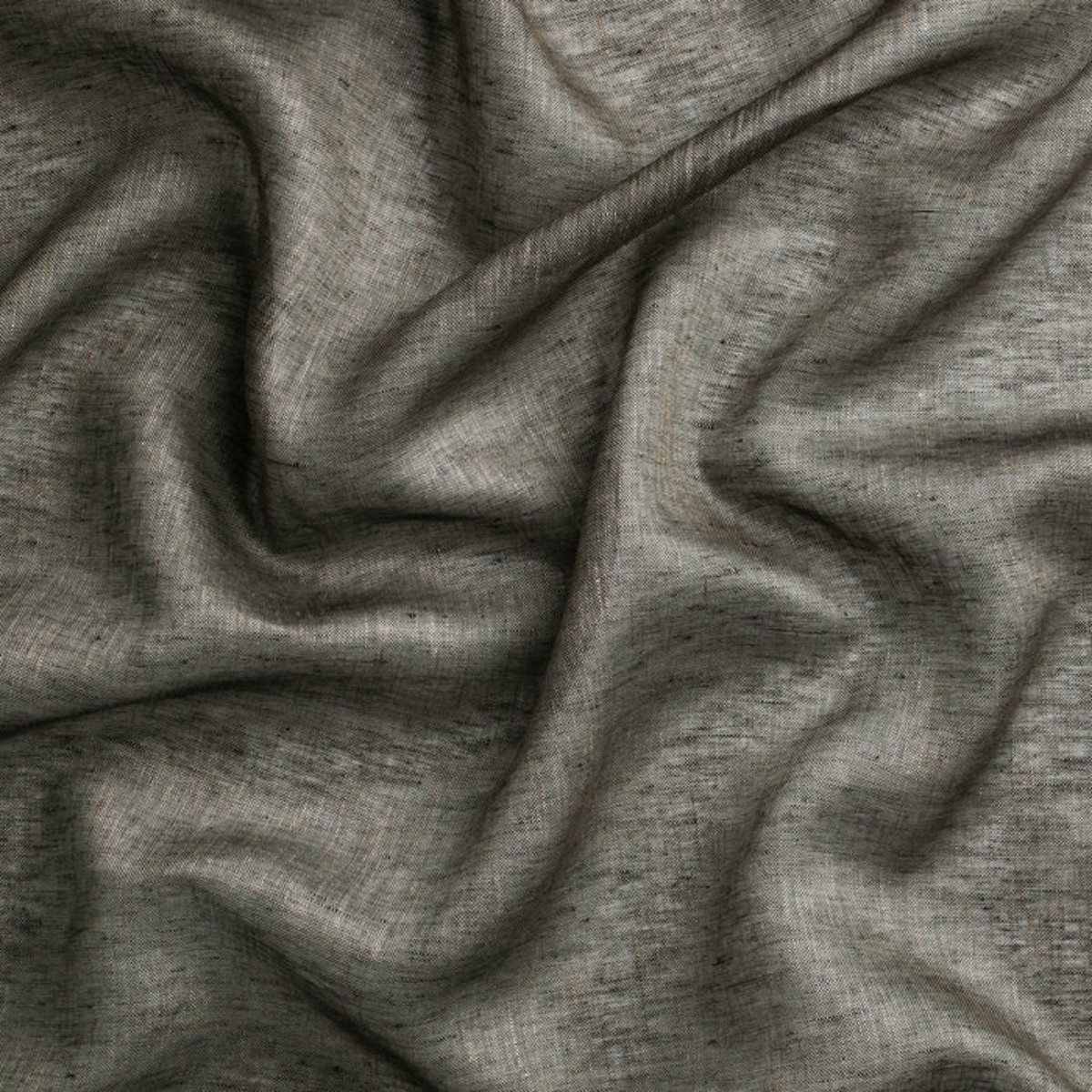
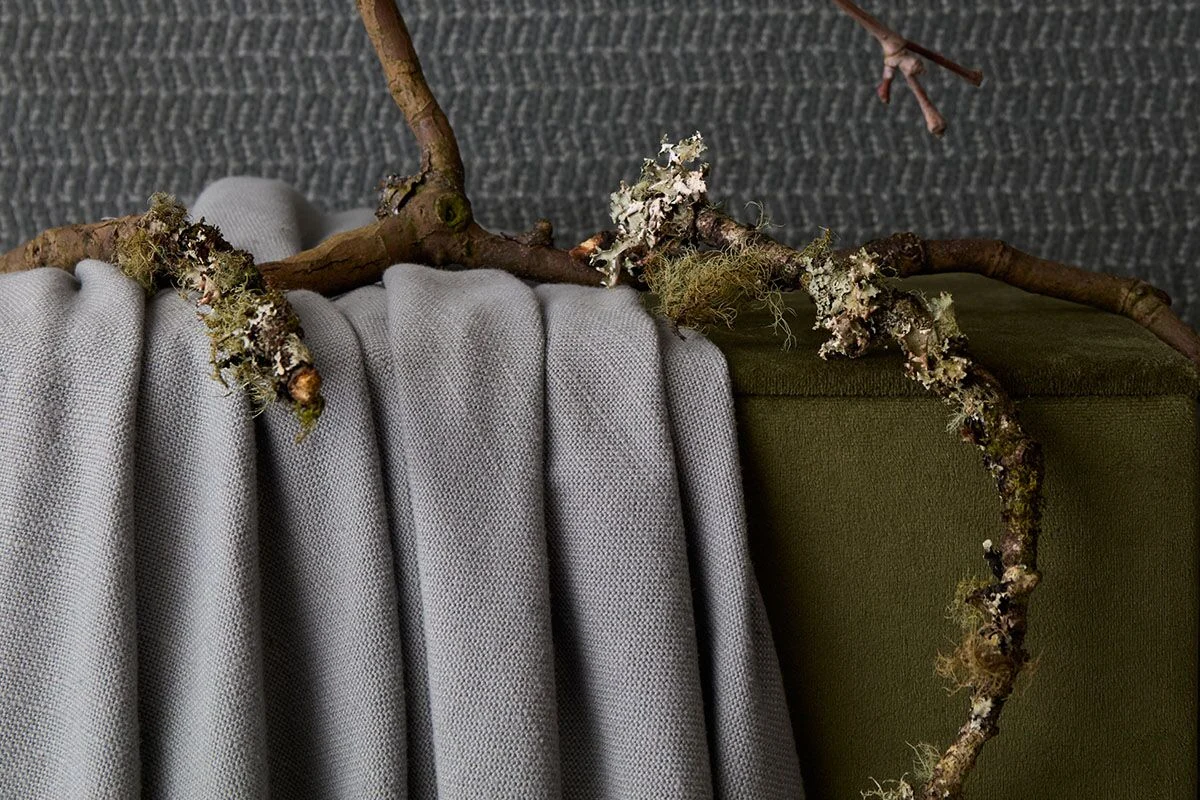
de Le Cuona | Burnished Linen | Shadow
Below is a list of the well-known natural vs synthetic materials, where we’ve outlined their key characteristics and how they can be best suited for your household!
Exploring Natural Fabrics
Cotton: Soft, breathable, durable, and easy to clean. Cotton is versatile and used in upholstery, curtains, and cushions. It’s also hypoallergenic, making it a popular choice for households.
Linen: Lightweight, breathable, and highly absorbent. Linen has a natural, textured look that brings an airy, relaxed feel to interiors. It’s commonly used for curtains, tablecloths, and upholstery.
Wool: Warm, durable, and moisture-wicking. Wool is naturally fire-resistant and used in carpets, rugs, and upholstery. It adds a cosy texture to spaces and provides good insulation.
Silk: Luxurious, smooth, and lustrous with a natural sheen. Silk is delicate but exudes elegance and is often used in high-end drapery, upholstery, and accent pieces.
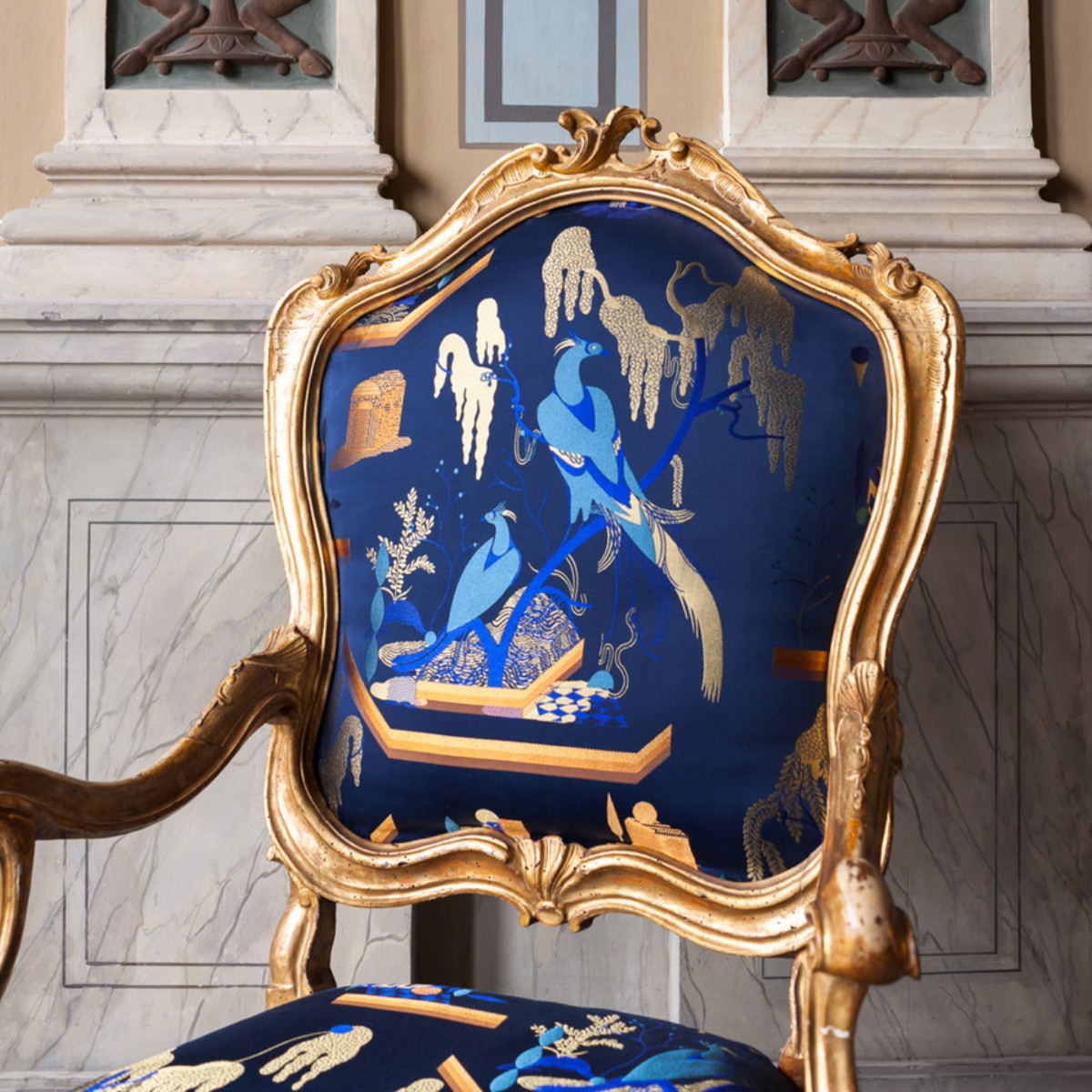
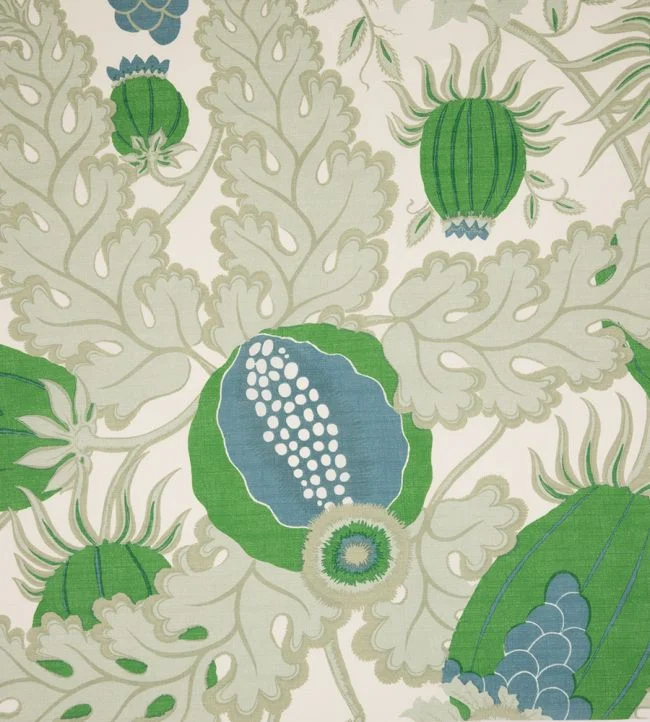
DEDAR | This Must Be The Place | Mille Et Une Nuit
Exploring Synthetic Fabrics
Polyester: Durable, wrinkle-resistant, and easy to clean. Polyester is often blended with natural fibres to enhance durability and reduce maintenance. It’s used in upholstery, curtains, and cushions due to its versatility and affordability.
Nylon: Strong, elastic, and highly resistant to wear and tear. Nylon is commonly used in rugs, carpets, and upholstery because of its durability and ability to resist stains and fading.
Acrylic: Lightweight, soft, and similar to wool in texture. Acrylic is often used in upholstery and blankets due to its warmth and resistance to mildew, fading, and moisture. It mimics the look of natural fibres at a lower cost.
Rayon (Viscose): Soft, breathable, and smooth. Rayon, often used in drapery and upholstery, has a luxurious feel similar to silk but at a more affordable price. However, it can wrinkle and may not be as durable as other synthetic fabrics.
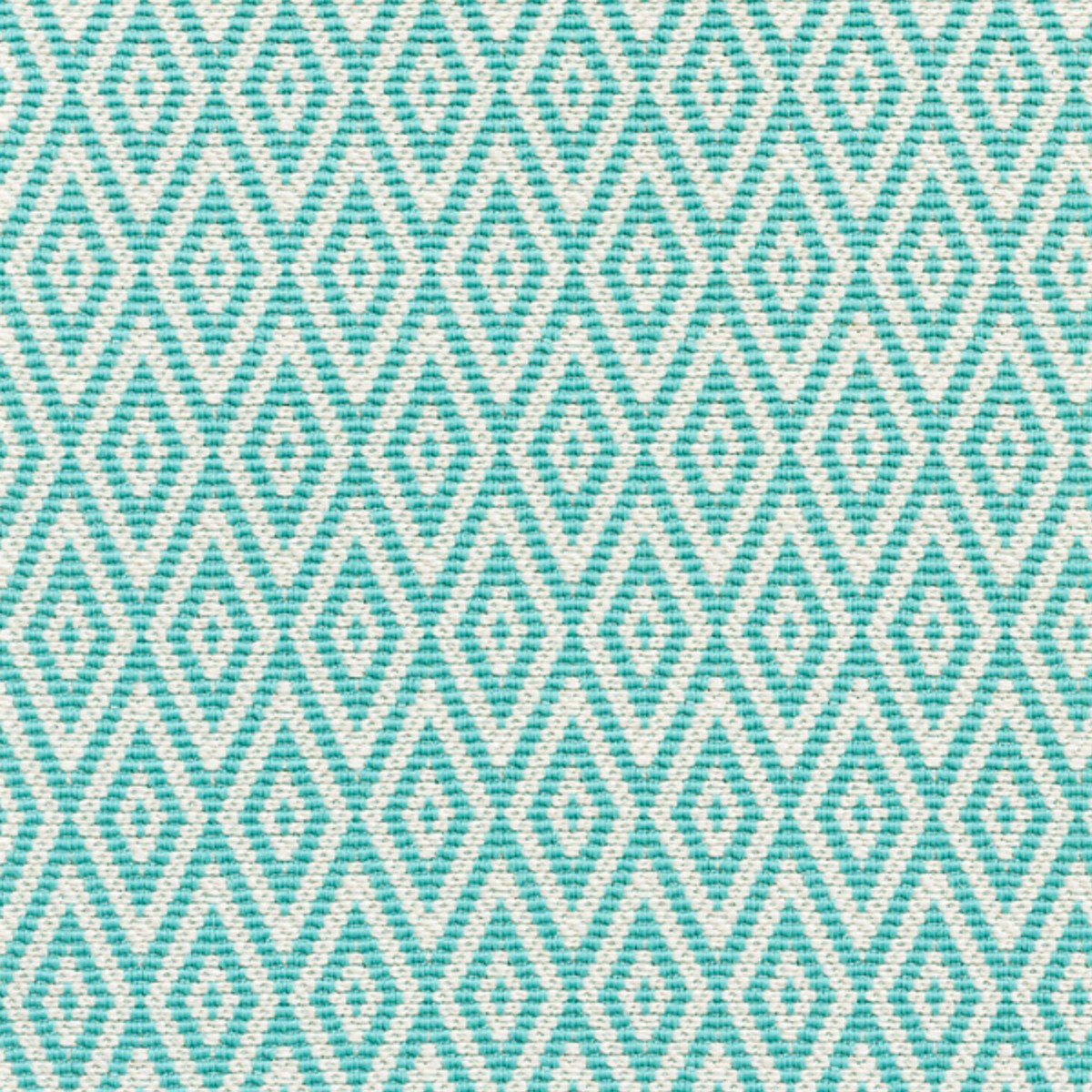
It is hard to ignore the ever-growing waste of textiles in our world. Over 900,000 tonnes of textile waste ends up in landfill every year and a staggering 42% of that is from homeware.
Choosing fabrics produced through sustainable practices, such as organic or responsibly managed sources, can help mitigate some of the many environmental issues. There are many exciting innovations happening in the world of fabrics and below we discuss just a few that have caught our eye recently.
Innovative Fabrics with sustainable means:
Moisture-Wicking Fabrics
: Advanced moisture-wicking fabrics have become essential in textiles, especially for upholstery and home accessories in warmer climates. These fabrics pull moisture away from the surface, keeping the material dry and cool. Synthetic fibres like polyester and blends are often treated with moisture-wicking technologies, making them ideal for cushions, bedding, and furniture fabrics that require breathability and comfort.
Linwood Omega Collection:
This range of sumptuous velvet fabrics is a particularly hard wearing and durable fabric that is stain resistant, keeping it look fresh and new for years to come.
Sustainable Fabrics from Recycled Materials
:
With increasing environmental awareness, fabrics made from recycled materials are gaining popularity. It is vital that as interior designers, we are making a conscious effort to procure fabrics with suppliers with not only sustainable practices in mind, but to evidently see how this is translated directly into their fabric ranges.
Nobilis Atlas Collection:
The Atlas range from one of our well-loved fabric suppliers, Nobilis, is a soft textured quality with ecological qualities: made from a blend of natural fibres and recycled polyester. The 30 references in its range offer a beautiful palette of natural, delicate tones.
Dedar Rebus:
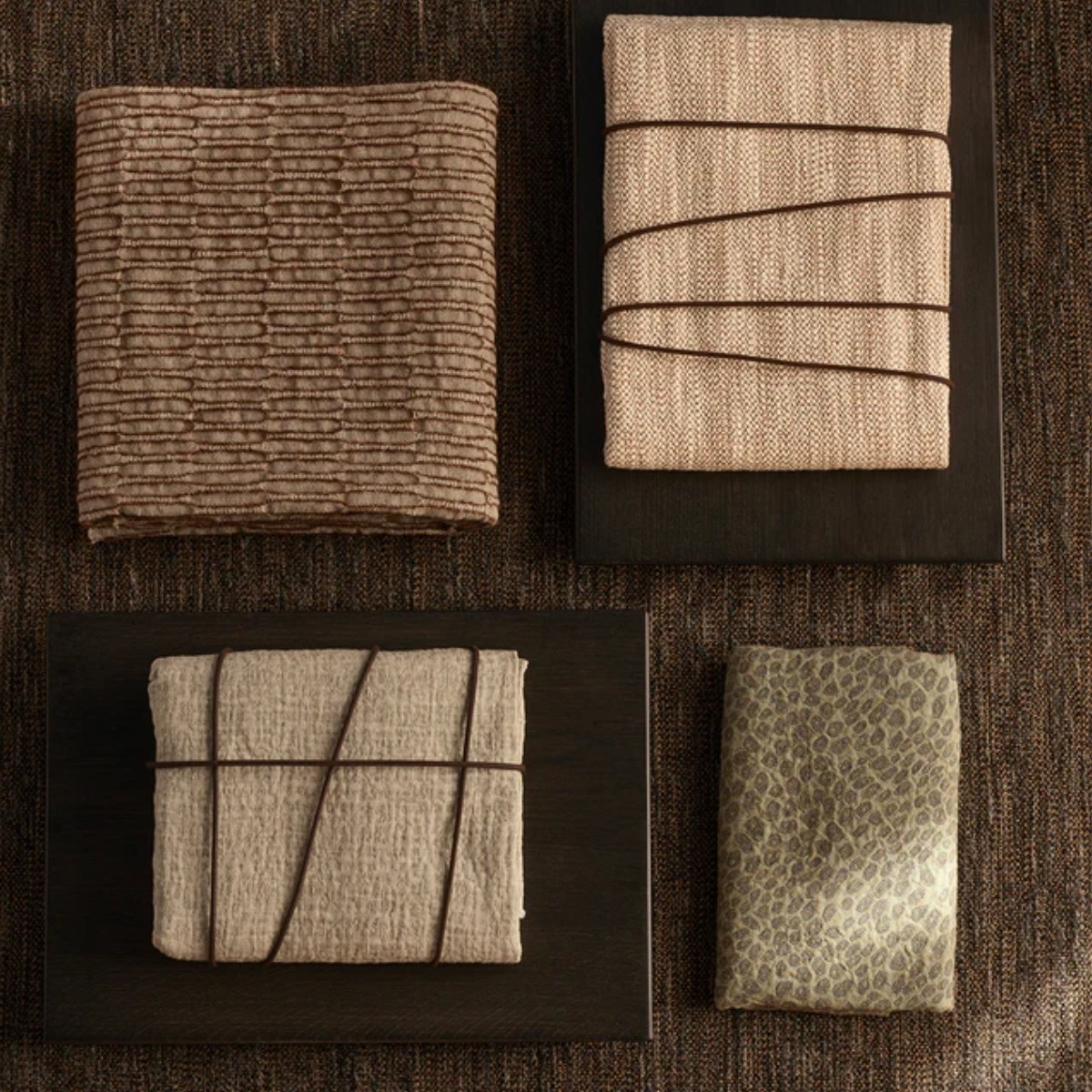
Another well-loved fabric supplier, launched the collection Rebus, a sheer range in the name of sustainability. Rebus is natural for its look, but also for the eye attentive to the health of the planet. The recycled yarn strongly reduces energy and water consumption.
Chase Erwin Ultrasuede:
Used most notably for our shelving in our bespoke cabinetry, Ultrasuede is not just a one-of-a-kind textile, there is more to it than its superior performance qualities. It consists of 30% plant-based polyester, with a 100%-recycled polyester purely reconstituted from post-industrial material. The plant-based fibre is made from a by-product of sugarcane processing, specifically from the non-edible waste that would otherwise be discarded in landfills. Furthermore, it won’t tear, fade or stretch over time; and its easy-care features minimise the impact of spills and other stains.
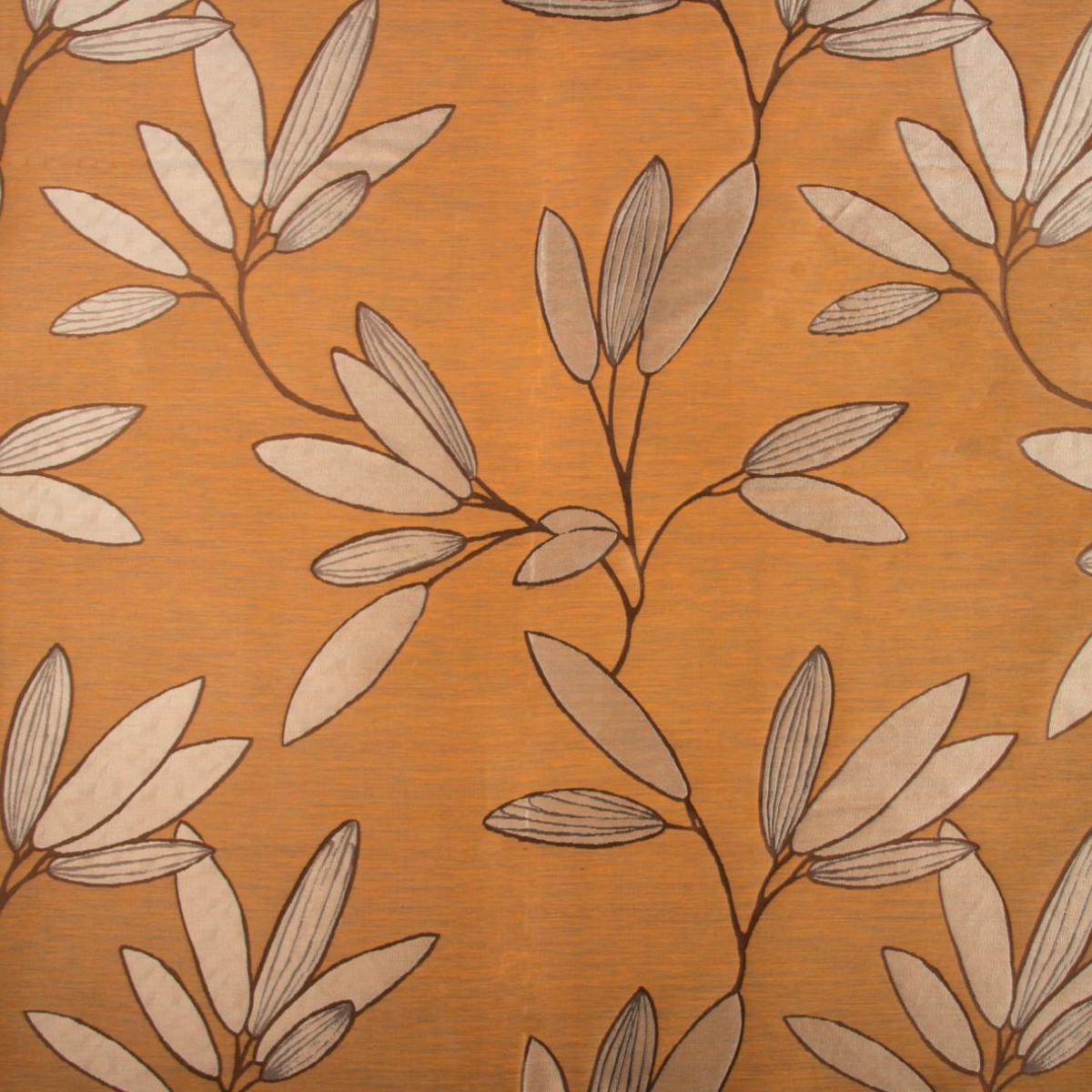
Fabrics and their cultural significance
Fabrics have played an integral role throughout many different cultures for centuries, symbolising identity, status, and heritage across the globe. From ceremonial garments to everyday textiles, fabrics carry deep cultural significance, connecting generations through patterns, craftsmanship, and storytelling. To name a few, we have highlighted fabrics derived from cultured traditions that we witness in interior design in present day:
Batik: originated from Indonesia
:
Batik is a traditional fabric-making technique from Indonesia, where patterns are created by applying wax to the fabric and then dyeing it. The wax resists the dye, creating intricate designs with vibrant colours. Batik is deeply embedded in Indonesian culture. Different regions in Indonesia have distinct batik patterns and meanings, with specific designs symbolising status, community, or spiritual beliefs. For example, Javanese batik often features motifs representing life, fertility, and balance. Batik is widely applied within Interior Design including upholstery and wallpaper.
Batik comes in many different forms within fabric, we are particularly in love with the Paisley range by De Le Cuona, with the most exquisite patterns with notes of Batik heritage & influence.
Tartan: originated from Scotland
:
Tartan is a woven fabric with crisscrossed horizontal and vertical stripes, typically associated with Scottish heritage. Traditionally, specific tartan patterns (known as “clans”) were used to represent Scottish families and clans. Tartan plays a key role in Scottish culture, especially in kilts, which is worn for formal occasions, weddings, and national celebrations like Burns Night and Highland games. Each pattern or colour combination holds historical significance, often tied to ancestry and regional identity. Tartan is a great addition to any interiors, adding warmth and tradition, whether used as drapery, upholstery or even bedding.
Take a look at the beautiful range from Christopher Farr Cloth. Their Chubby check range is a quirky take on the traditional tartan, and comes in a beautiful range of colours.
Silk: Originated from China
Silk is a luxurious fabric with ancient roots in China, where it was first developed over 5,000 years ago. Traditionally reserved for royalty and nobility, silk eventually became a major export via the Silk Road, spreading across Asia and Europe. In Chinese culture, silk is still valued for its elegance. It’s also an essential part of wedding rituals and celebrations, symbolizing prosperity, honour, and longevity. In interior design, silk is often used to add a level of luxuriousness and sophistication. However, due to its delicate nature, it is often used in low traffic areas to maintain its delicate characteristics.
We particularly love the Bosquet silk range from Nobilis, paying tribute to the great classic tapestries of the 15th century.

Elitis | Full Moon | Lune blanche
To conclude, fabrics are a fundamental aspect of both daily life and cultural heritage, offering versatility, comfort, and expression. In interior design they shape both the aesthetic and functionality of spaces. From the natural breathability of cotton and linen to the durability of synthetic materials like polyester, fabrics influence the comfort, durability, and sustainability of the items we use every day. Advances in fabric technology, such as moisture-wicking and recycled materials, reflect a growing focus on performance and eco-consciousness.
Understanding the qualities and cultural significance of different fabrics can enrich our choices when it comes to interior design. Selecting the right fabric based on purpose, climate, and style can transform any space, making it not only more beautiful but also more comfortable and sustainable.
To celebrate the exquisite world of fabrics, we are offering 10% off all fabrics on our website for September & October! It’s the perfect time to refresh your home with beautiful, high-quality textiles. Don’t miss out on this limited-time offer! Use the code WQ7N3L5J at checkout.

22nd September, 2025

14th March, 2025