



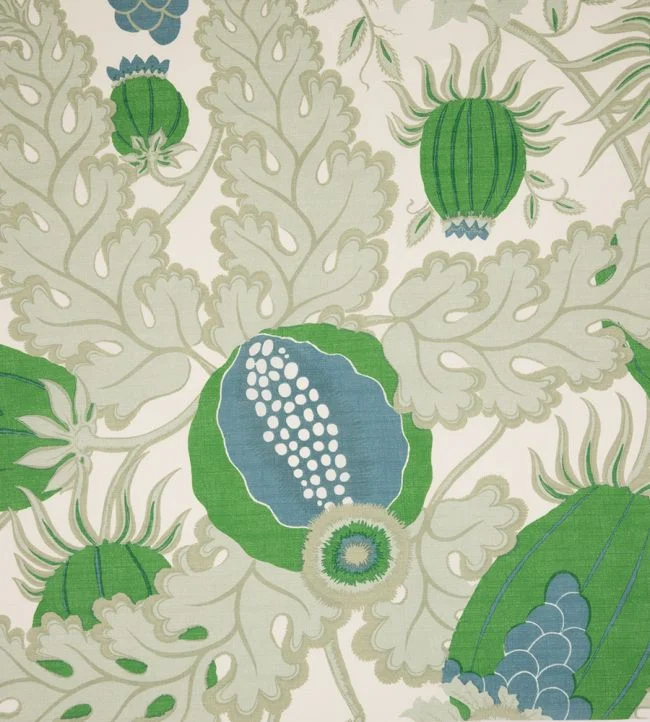


Tonal Interiors – Your Key to Relaxation

Is this 50 shades of grey, we hear you say? Actually, the human eye can detect more than 500!
Tonal decorating is your secret weapon to creating a calming space in your home – one that stays timeless yet on trend. Read on to understand the clever trick that will ensure you always pick the perfect colour!
Your Colour Palette
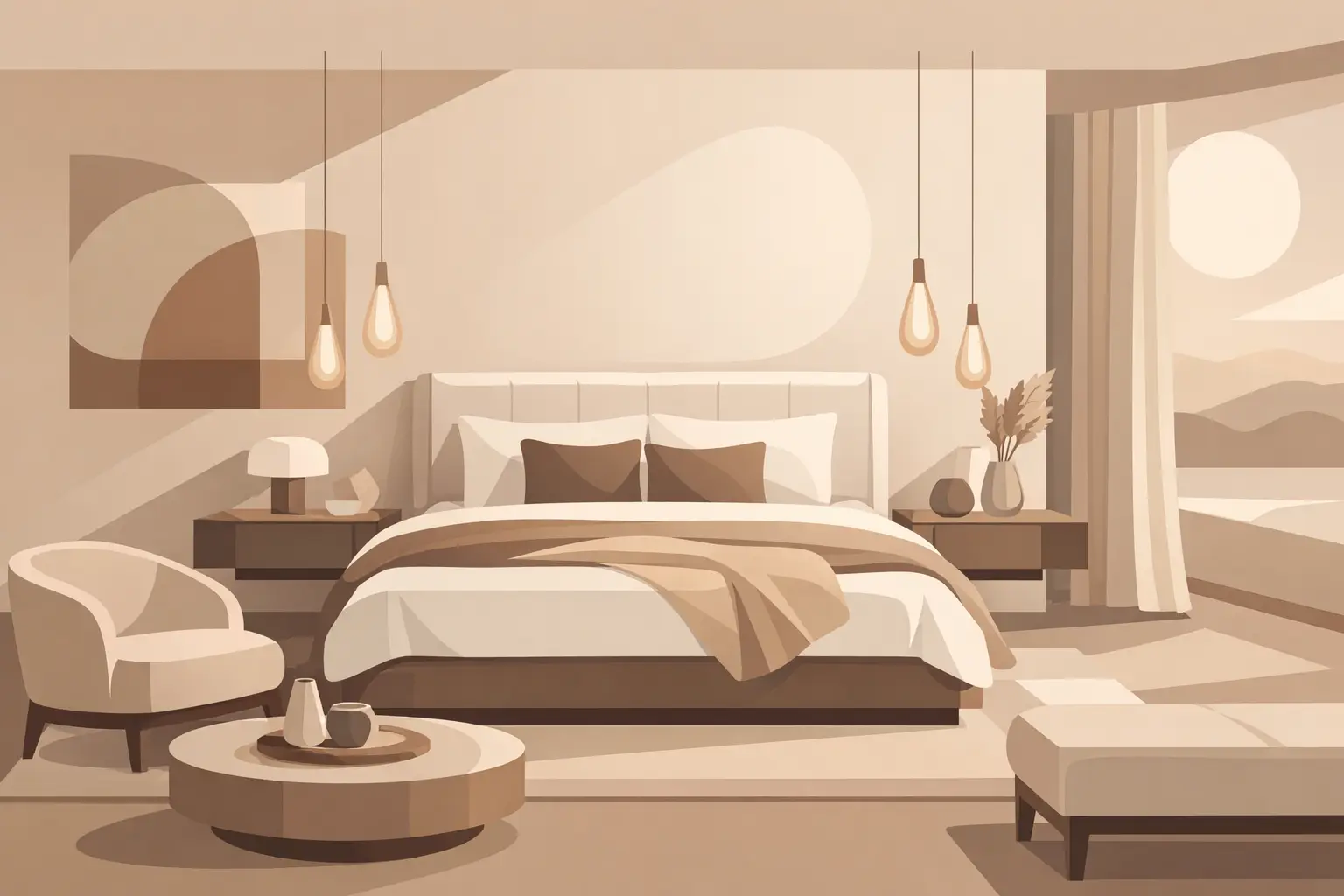
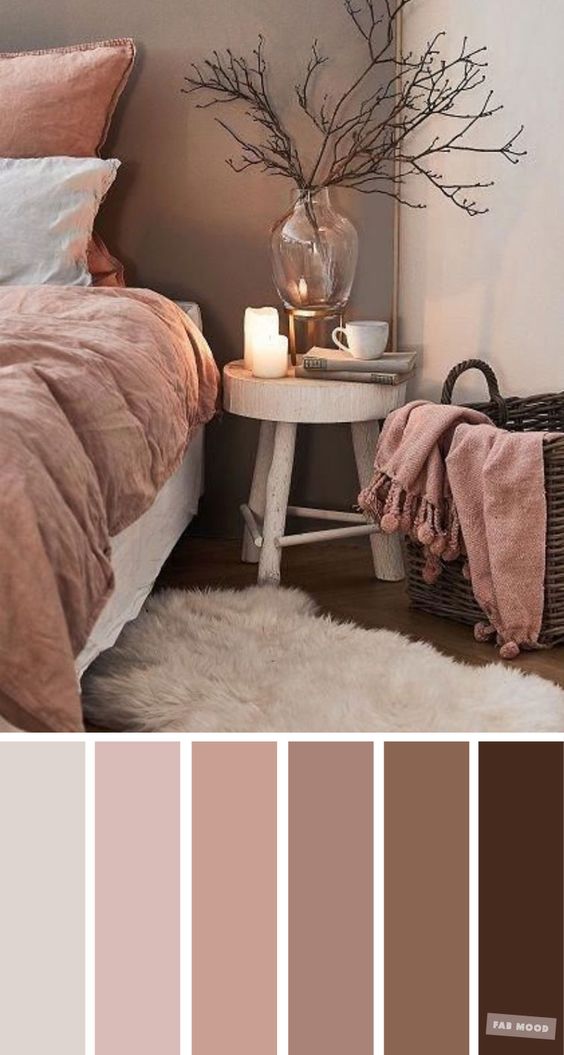
There’s no doubt that tonal interiors are a style that has featured heavily in the last 20 years, and continue to act as a base for designers to work around to create seamless interior design. As a foundation to our design schemes, we’ve moved from Beige to Grey to ‘Greige’ over the past two decades and we are here to look at how you can achieve this is your own home. You can still create a distinctive style around this neutral colour palette, and bring in your own personality by using splashes of colour!
That said, it’s important to remember not to feel like you need to stick to a muted scheme, you can create a vibrant space using various tones of blue for example.

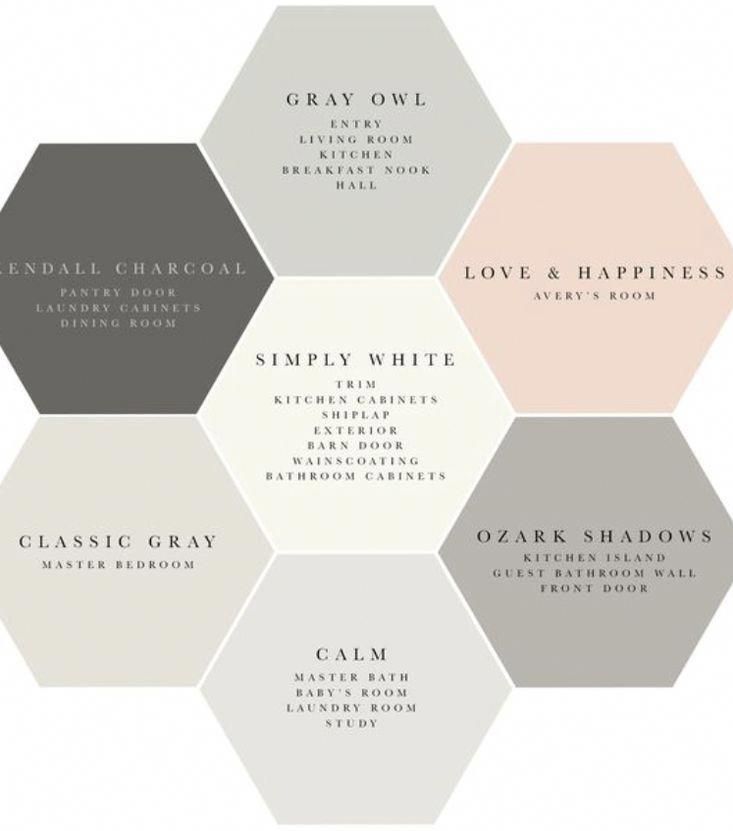
Cohesion through undertones
If you are seeking a tonal look, avoid bright white ceilings and woodwork. This is typically the go-to choice, however, we would strongly advise against it if you want to create a tonal feel. It’s too stark and can feel really cold and clinical. Let’s remember the aim – to feel encompassed and relaxed in your seamless surroundings.
To do this you need to make sure the room has the same undertones. In order to achieve this you will need to begin with a fan colour chart and bring it into the room you are decorating. Start off with the wall colour base you want to work with – if you have existing furniture or fabrics in the room use these as a guide. Whilst you don’t have to stick with muted colours, we often do as it gives us lots more scope to work with later down the design scheme process.
Now, move the colour fan around the room and select your wall colour; check it in the natural light and shade of the room, as well as against any artificial lighting, and select your preference.
Once you’ve selected your wall colour, you will need to choose a lighter colour with the same undertone for the ceilings and woodwork. As you look through your colour chart with your wall colour selected, you will be able to compare it against each lighter colour and their undertones. You should then be able to notice the warm or cold undertones and you will gradually narrow down to a few colours to select from. Once you have 2 or 3 choices we would highly recommend purchasing some sample paint pots and testing it out in the room.
Tips from our showroom
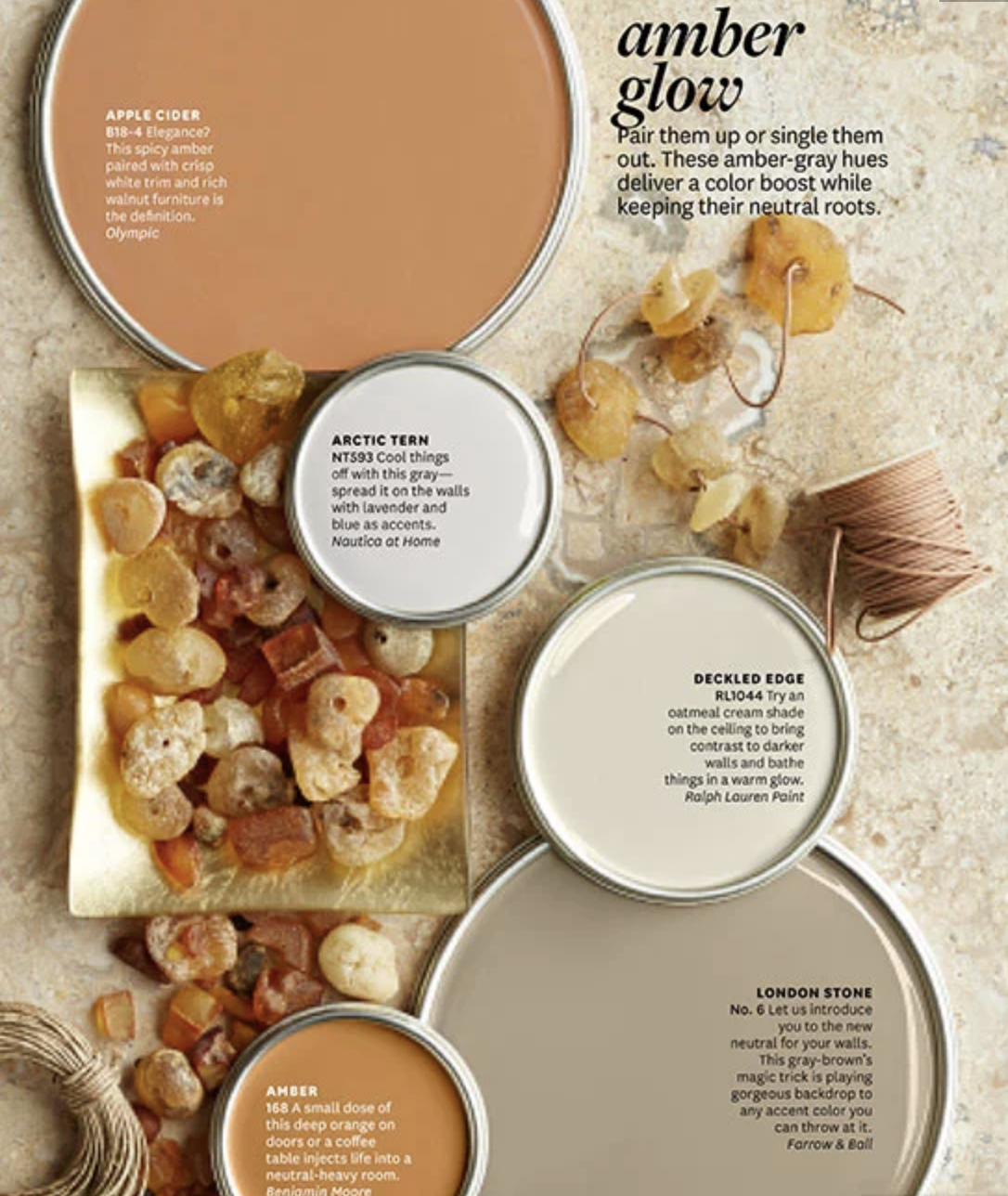
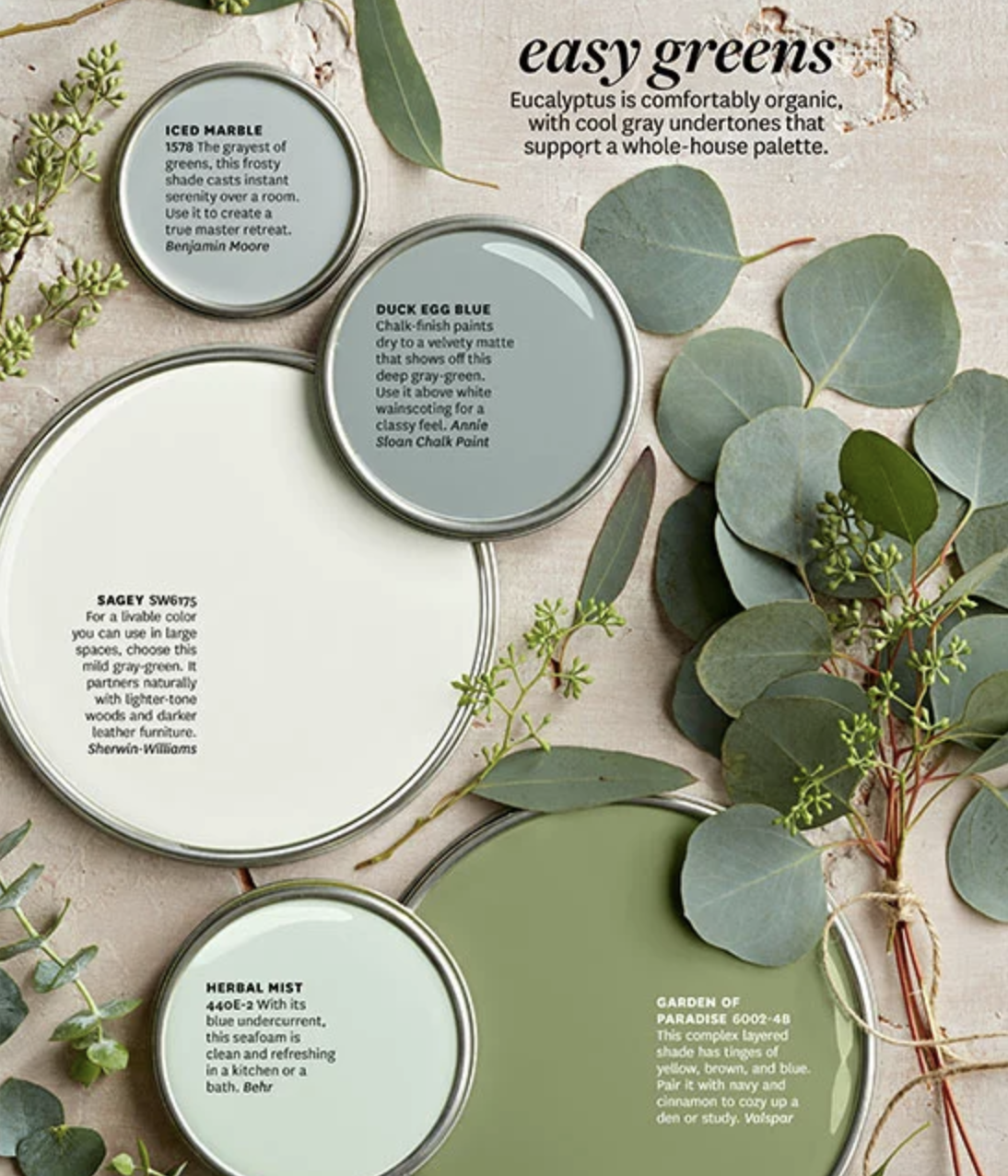
A couple of favourite off-white ceiling and woodwork colours for us are ‘Slipper Satin’ and ‘Skimming Stone’ by Farrow and Ball, which we often use in our design schemes. We used a specialist paint finish in our showroom that tones perfectly with ‘Slipper Satin’. In our art gallery and design studio we choose ‘Ammonite’ as a wall colour and ‘Strong White’, also by Farrow and Ball, as the ceiling and woodwork colour.
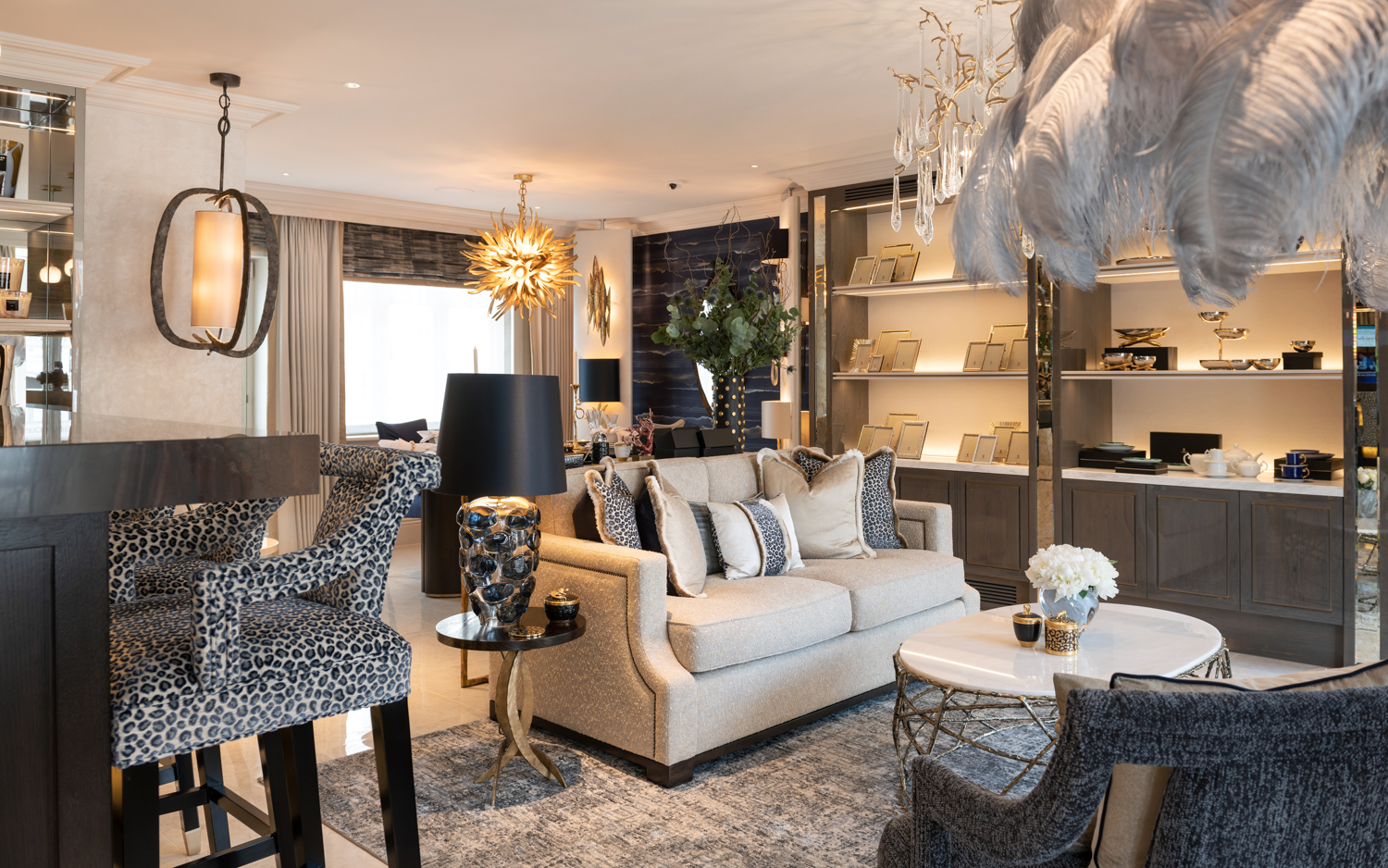
In the image of our showroom below, if you take away the blue contrast you can visualise our neutral seamless design scheme. When we want to update the showroom, we can simply reupholster our barstools and swap over our cushions to our newly desired colour scheme – simple! Can you imagine if the ceiling was painted in a bright white? The design scheme would feel disjointed and out of sync.
Contrast
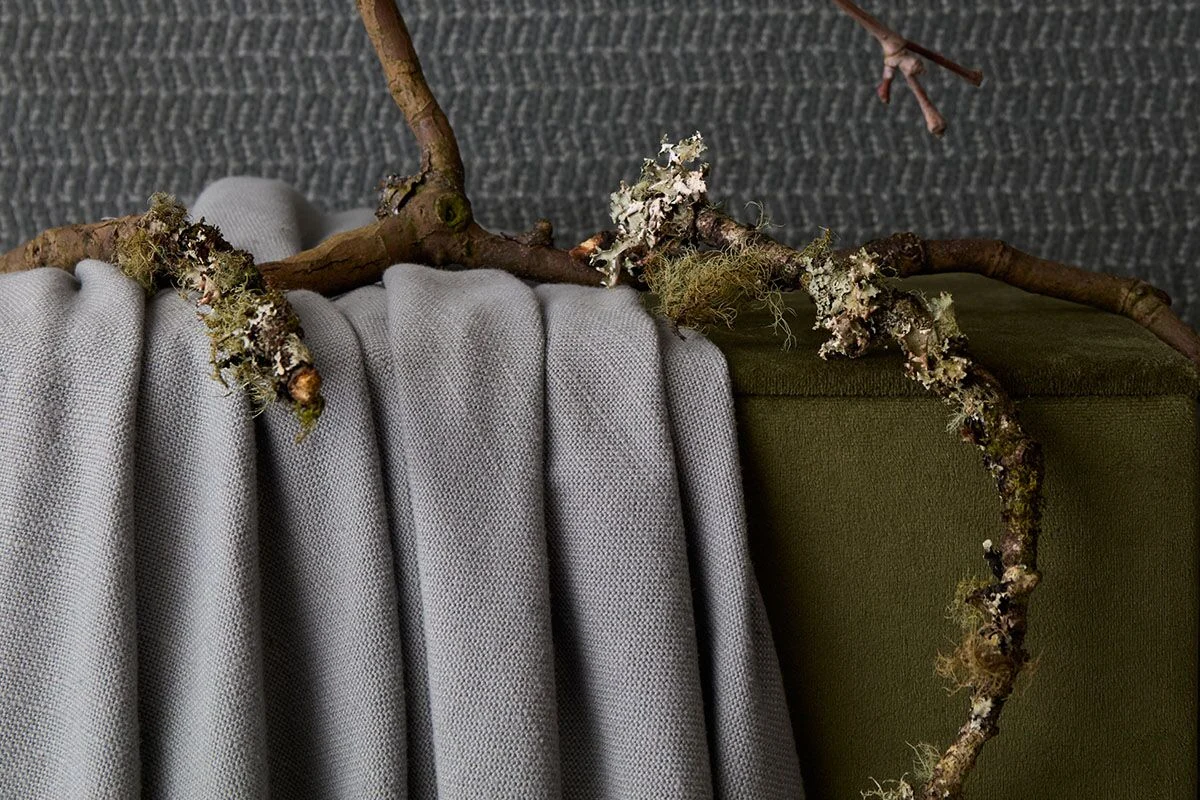
Time to add some contrast… this may feel like an oxymoron, but tonal schemes need it. Our showroom image above is a great example of contrast. You can replicate this by the use of texture; layering hard and soft surfaces with both glossy and matt finishes. You can also consider adding a splash of accent colour in your soft furnishings and accessories; the beauty of this is that these can be changed over time, without having to redecorate the entire room. Look at pattern as well as depths of tone to add to the contrast and visual interest to create a cohesive design scheme.
Seamless living
Using the above techniques throughout all areas of your home can create your own distinct design language to make your home totally unique to your own style and preferences. Now you have some insight on tonal interiors, begin to think about the flow of each room in the house – there’s nothing worse than going from a beautifully considered room to one with no design thought. It’s best to look at your end goal and plan how to get there – begin with the end in mind.
If you would like some professional guidance, we are here to help!
Contact us on 01442 818122 or email us [email protected]

26th June, 2026

25th June, 2026