







The right interior design consultation often begins before a single fabric is chosen or a floorplan is adjusted. It starts at the point where a home no longer feels equal to the life being lived in it – when a penthouse feels visually cold, a country house lacks coherence, or a beautifully built property still misses the sense of character and ease that makes it memorable.
A well-judged consultation is not a cosmetic exercise. At its best, it is the strategic and creative foundation of an interior that reflects how you live, what you value and how you want a space to feel. For clients investing in premium residential interiors, that first conversation shapes far more than finishes. It establishes direction, reveals possibilities and prevents expensive decisions made without clarity.
Why an interior design consultation matters
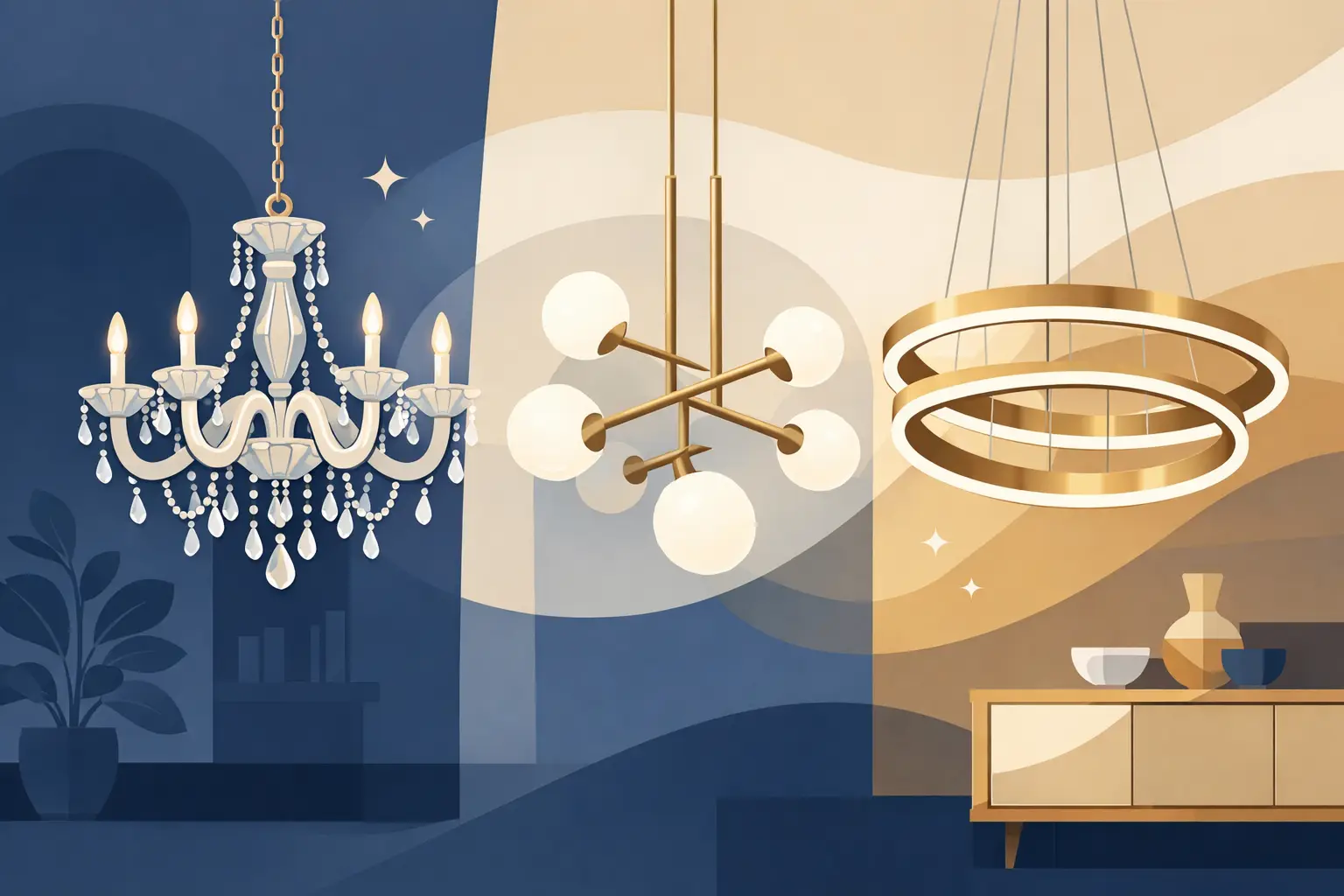
Luxury interiors rarely come together through isolated purchases. A statement chandelier may be exquisite on its own, but if the scale is wrong for the architecture, or the lighting temperature unsettles the mood of the room, the effect is diminished. The same is true of furniture, wallcoverings and textiles. Beautiful objects need context.
An interior design consultation creates that context. It allows a designer to understand the architecture of the property, the practical demands of daily life, the emotional tone the client wants to create and the level of investment appropriate for the project. It is where instinct meets structure.
This stage is particularly valuable for clients who have discerning taste but limited time. Many know what they are drawn to – sculptural lighting, tactile boucles, tailored joinery, understated stone finishes – yet still need experienced guidance on proportion, cohesion and sequencing. Consultation turns preference into an intelligent brief.
What happens during an interior design consultation
The format varies depending on the project, but the most effective consultations are both creative and exacting. They leave room for aspiration while dealing honestly with logistics.
Establishing the brief
The first task is to define what the project needs to achieve. That may sound obvious, yet it is where many interiors either gain depth or lose focus. A client may request a drawing room that feels elegant, but elegance can mean different things – formal and decorative, quietly architectural, or soft and layered with texture.
A designer will usually ask about lifestyle, routines and expectations. Is the home used for entertaining on a grand scale, or is privacy the priority? Are there young children, frequent guests, staff requirements or art collections to consider? Should the rooms feel serene and restrained, or dramatic and expressive? These details are not peripheral. They shape every design decision that follows.
Budget and scope are also addressed here, and rightly so. In luxury projects, transparency is not reductive – it is liberating. It helps determine where to commission bespoke pieces, where to invest in artisanal finishes and where a more disciplined approach is sensible.
Reading the property properly
Every successful scheme begins with an honest reading of the space. During the consultation, a designer considers architecture, natural light, circulation, ceiling heights and existing features worth preserving. This is especially important in homes that are technically impressive but emotionally unresolved.
A room with generous proportions may still feel awkward if furniture is habitually underscaled. A period house may lose its grace if contemporary elements are added without respect for rhythm and detail. Equally, an overly reverential approach can leave an interior feeling static. The consultation is where these tensions are identified early.
For renovation and new-build projects, this moment is critical. It is far easier to refine layouts, lighting plans and joinery concepts before works progress too far. Design input at the right stage protects both the visual outcome and the investment.
Defining the visual language
One of the more nuanced parts of a consultation is establishing the visual language of the home. This goes beyond asking whether a client prefers modern or classic interiors. Most sophisticated homes sit somewhere more interesting – contemporary but warm, minimal but tactile, formal but relaxed.
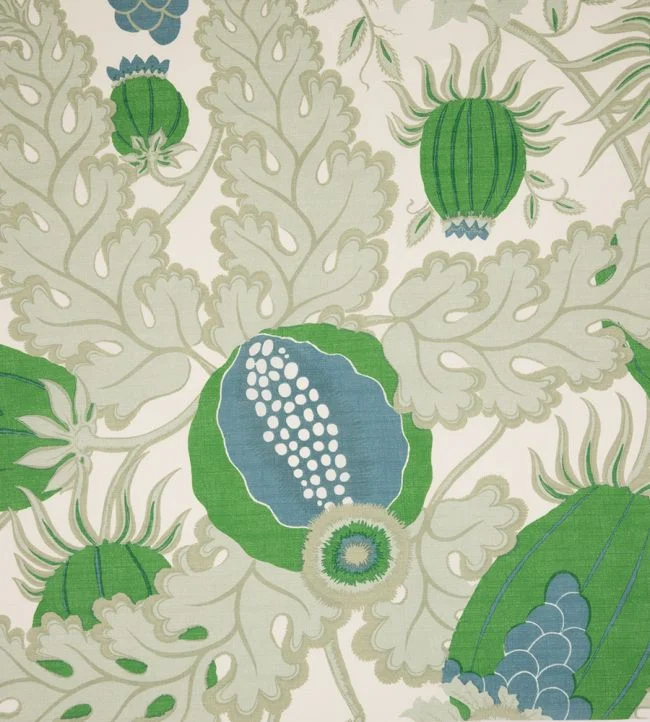
This is where references, material samples and precedent images can be useful, but they are only tools. The designer’s role is to interpret, edit and elevate. A client may be drawn to the sculptural quality of Porta Romana lighting, the tactile richness of Dedar textiles or the quiet glamour of smoked glass and brushed metal, without wanting the home to feel styled for effect. The consultation helps translate these affinities into a coherent atmosphere rather than a collection of disconnected luxuries.
What a good consultation should give you
By the end of the process, you should have more than inspiration. You should have clarity.
That might mean a stronger sense of the overall design direction, confidence in the spatial planning, or a clearer understanding of which rooms need full design development and which need considered refinement. Sometimes the outcome is confirmation that a property requires architectural intervention before decoration begins. Sometimes it is the opposite – a realisation that the structure is already strong, and what is needed is layering, texture and restraint.
A strong consultation also brings realism. Not every desirable idea suits every property. Certain furniture scales do not work in low-ceilinged spaces. Some exquisite wallcoverings are better suited to intimate rooms than sun-drenched family areas. Delicate trimmings and pale upholstery can be magnificent, but they need to align with how the house is actually used. Good design is never about saying yes to everything. It is about knowing what will endure.
The value of expert curation
For high-end interiors, one of the most overlooked benefits of professional consultation is access to curation. The market is crowded with options, but abundance is not the same as discernment. Editing is where value lies.
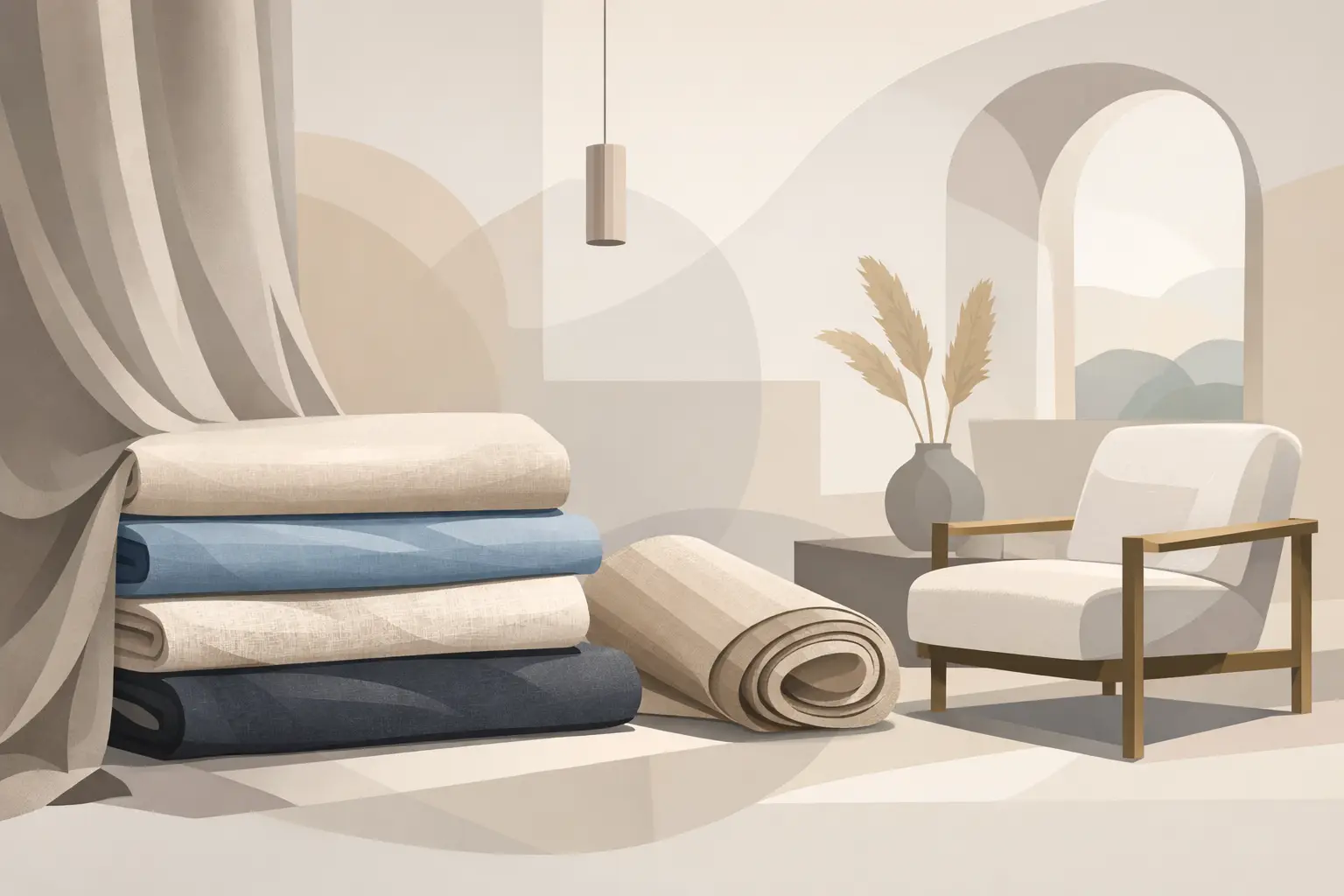
A designer with a well-developed sourcing network can bring together furniture, fabrics, lighting and finishing details that share a level of craftsmanship and aesthetic intelligence. More importantly, they know how those pieces perform in real interiors. Which linen softens with age. Which lacquer finish is quietly luxurious rather than overly reflective. Which alabaster fitting gives off a flattering, atmospheric light in the evening.
This is where a design-led consultancy becomes far more than a shopping exercise. It is a process of composition. Materials are chosen for dialogue with one another, not simply for individual appeal. The result feels collected, assured and personal.
When to book an interior design consultation
Earlier is usually better. Clients often wait until they feel ready to choose sofas, curtains or lighting, when the more valuable moment may be months before that. A consultation can influence architectural drawings, electrical layouts, bathroom planning, joinery design and the balance between decorative and structural investment.
That said, it is never only for full renovations. It can be equally worthwhile when a home feels almost right but lacks conviction. Perhaps the principal bedroom is unresolved, the entrance lacks presence, or the reception rooms feel serviceable rather than special. Strategic design guidance can transform these spaces without requiring a complete overhaul.
For internationally based clients furnishing homes across different locations, consultation also provides continuity. It helps create a shared design language across a city residence, coastal retreat or family estate, while still allowing each property its own character.
Choosing the right interior design consultation
Not every designer approaches consultation in the same way, and the differences matter. Some focus heavily on aesthetics but less on execution. Others are highly technical but bring limited emotional depth to a scheme. The strongest luxury design practices balance both.
Look for someone who listens closely, questions intelligently and understands that refinement is often built through layers, not spectacle. A consultation should feel collaborative but directed. You are not paying simply for opinions. You are investing in judgement.
For clients seeking timeless contemporary interiors, that judgement is what turns a beautiful room into one that truly resonates. It is what allows craftsmanship, atmosphere and function to work as one. At Tobias Oliver Interiors, this curated, design-led approach is central to shaping homes that feel composed, elevated and deeply individual.
An interior design consultation is, in many ways, the moment a home begins to tell the truth about its owner. Done properly, it does not impose a style. It reveals one – with precision, imagination and the confidence to make each decision count.

22nd June, 2026

21st June, 2026