



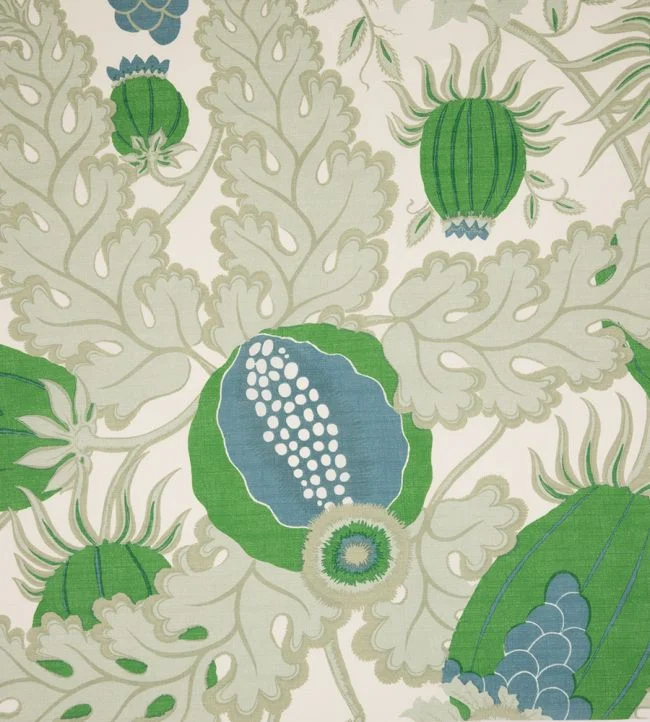


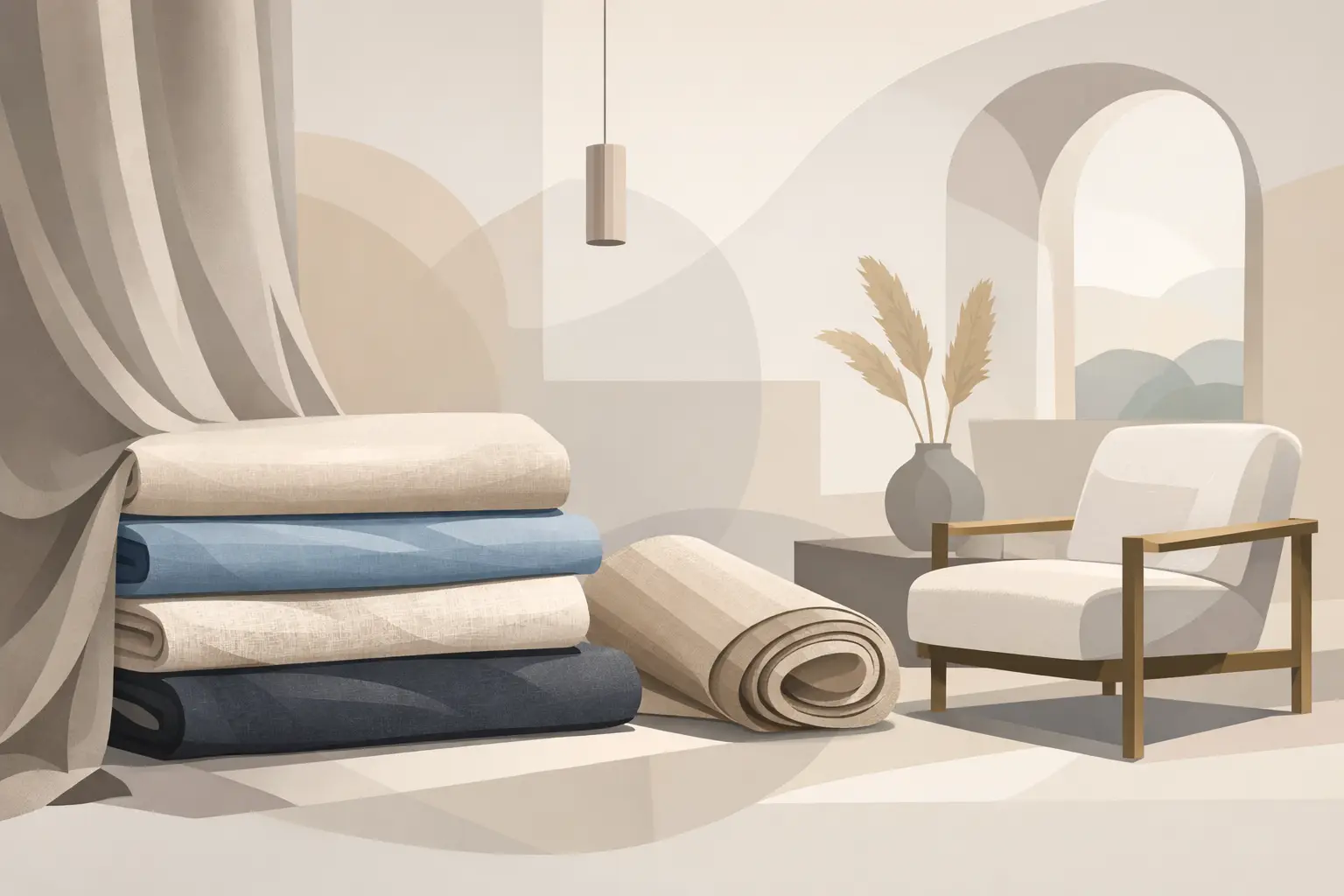
Some fabrics announce themselves the moment you enter a room. Others work more quietly, shaping atmosphere through touch, light and restraint. Chase Erwin fabrics belong firmly to the second category, which is precisely why they have become such a compelling choice for interiors that aim to feel composed rather than overworked.
For discerning residential and hospitality projects alike, the appeal lies in a particular balance. These textiles are luxurious without appearing showy, contemporary without feeling cold, and tactile without tipping into excess. In a market crowded with decorative noise, that level of control is rare.
What defines Chase Erwin fabrics
Chase Erwin has long been associated with a refined textile language rooted in material integrity, nuanced colour and sophisticated texture. Rather than relying on obvious pattern or trend-led statements, the collection tends to favour depth, softness and surface character. That makes it especially relevant for interiors where the architecture, furniture and art already carry presence, and the fabric must support the scheme with confidence.
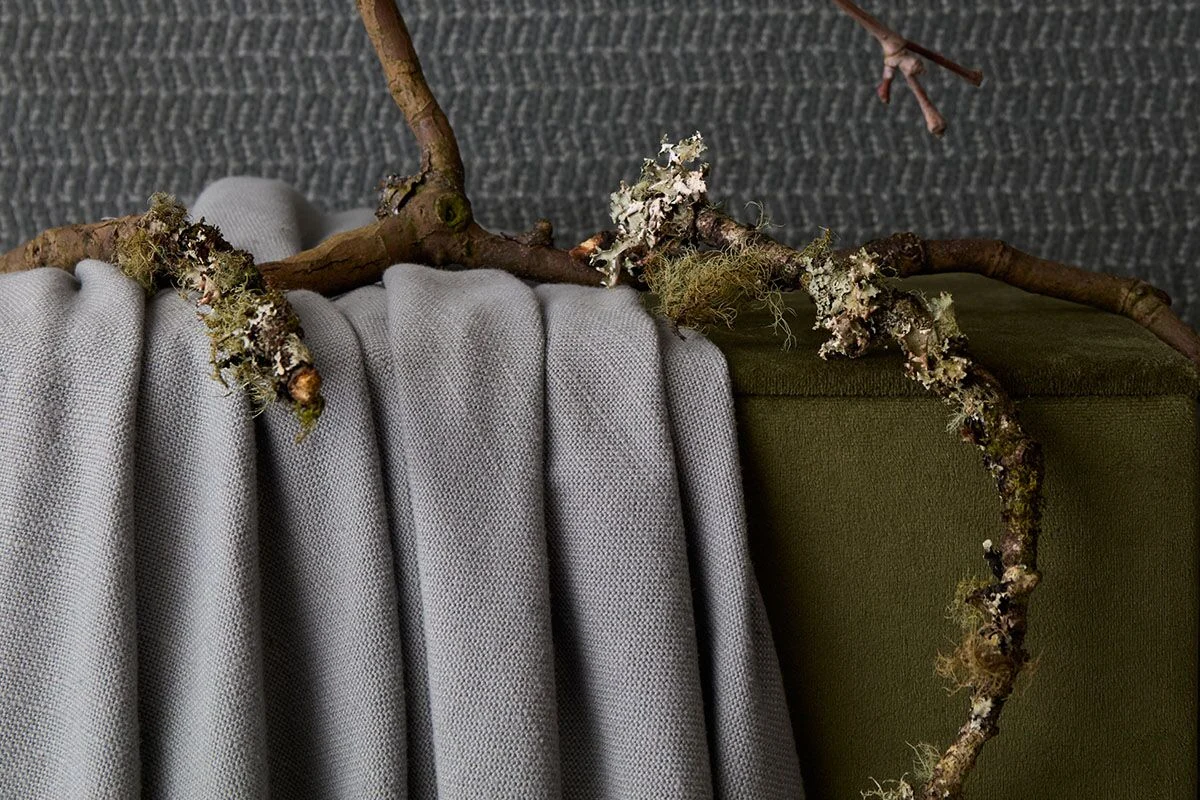
There is a couture sensibility to the range, but it is expressed in a measured way. You see it in the quality of the weave, the way a neutral holds light across the day, and the subtle irregularities that give cloth its life. Linen, silk, wool and textural blends are often treated not as background materials but as design tools in their own right.
This matters because truly elevated interiors are rarely built on one dramatic gesture. More often, they are shaped through layers of finish and feeling. A curtain with the right movement, an upholstered headboard with gentle texture, or a wall panel wrapped in cloth with a dry, elegant hand can change the emotional register of a room entirely.
Why designers return to Chase Erwin fabrics
Designers tend to return to textile houses that solve more than one problem at once. A fabric needs to be beautiful, of course, but it also has to sit comfortably within a wider palette, perform in real life, and justify its place within a high-value scheme. Chase Erwin fabrics are often chosen because they do all three.
One of their strengths is versatility within a luxury context. These are fabrics that can sit effortlessly in a penthouse with sculptural lighting and contemporary joinery, but they can also soften a country house, lend polish to a coastal residence or bring calm to a formal reception space. They do not impose a single aesthetic. Instead, they adapt to the project while maintaining a distinct sense of quality.
There is also a sophistication in the colour direction. Neutrals are rarely flat. Taupes, chalks, stone tones, smoke, parchment and mineral shades tend to carry undertones that make them easier to layer with timber, metal, plaster and natural stone. That sensitivity is invaluable when creating rooms that feel coherent rather than staged.
Where Chase Erwin fabrics work best
The natural habitat for these textiles is in interiors where materiality leads the conversation. Bedrooms are an obvious example. Upholstered bed surrounds, drapery and cushions in soft, understated cloth can make a room feel deeply considered without relying on overt decoration. The result is often restful, tactile and quietly indulgent.
Living spaces are another strong fit. In a drawing room or formal sitting area, Chase Erwin fabrics can bring elegance to sofas and occasional chairs while preserving a sense of ease. In open-plan family spaces, they are often most effective when used to create subtle distinction – perhaps a more textural weave on a reading chair, or refined drapery that tempers architectural glazing.
They also lend themselves beautifully to hospitality settings. Boutique hotels, private clubs and luxury guest suites often need to communicate warmth and sophistication immediately, yet remain timeless enough to age gracefully. Fabrics with understated depth are especially useful here because they photograph well, wear well when properly specified, and do not date as quickly as more emphatic motifs.
The role of texture in quiet luxury
Quiet luxury is often discussed as if it were simply a matter of buying expensive things and stripping away logos. In interiors, it is more demanding than that. It requires discipline, confidence and a sharp understanding of how materials behave together. Chase Erwin fabrics fit naturally within this approach because they rely on texture rather than spectacle.
Texture is what keeps a pared-back room from feeling lifeless. When the palette is restrained, every surface becomes more important. A boucle with a gentle irregularity, a washed linen with fluid drape, or a wool blend with a matte finish can introduce warmth and visual depth without disturbing the calm.
This is also where poorer quality fabrics tend to reveal themselves. Flat finishes, harsh synthetic shine and weak colour saturation can diminish even the best furniture or architectural detailing. By contrast, well-made textiles hold their own alongside stone, bronze, oak, plaster and hand-finished cabinetry. They do not compete. They complete.
Choosing the right Chase Erwin fabric for a scheme
Specification should never be driven by appearance alone. The most successful fabric choices come from understanding the room, the lifestyle of the client and the level of use the piece will receive. A decorative silk or delicate linen may be exceptional for walling or formal drapery, but less suitable for a heavily used family sofa. Equally, a more durable weave may offer the right practicality while still feeling elevated.
Scale matters as much as composition. In larger rooms with generous ceiling heights, fabrics with stronger texture or more body can hold the space more convincingly. In smaller rooms, softer weaves and lighter tones often help preserve openness. Light exposure should be considered too. South-facing rooms can flatten some colours and intensify others, while darker spaces may benefit from cloth that catches and reflects light more gently.
This is where professional guidance becomes invaluable. Luxury interiors are not assembled item by item. They are composed. A fabric is selected in relation to flooring, wall finish, lighting, joinery, upholstery shape and the mood the room is meant to evoke. When viewed in isolation, many excellent textiles can look similar. In context, their differences become decisive.
Chase Erwin fabrics and the value of restraint
There is a persistent misconception that luxury interior design should always be visibly elaborate. Yet some of the most exceptional rooms feel almost effortless at first glance. Their richness emerges slowly, through proportion, craftsmanship and the quality of the materials chosen. Chase Erwin fabrics support that kind of interior particularly well.
Restraint is not a lack of ambition. It is often the mark of confidence. A room upholstered in nuanced, beautifully made textiles can feel far more sophisticated than one crowded with pattern and contrast. The eye rests more easily. The architecture breathes. Objects with real character – art, lighting, antique pieces or sculptural furniture – are allowed their proper importance.
That does not mean these fabrics are limited to minimal schemes. On the contrary, they can be highly effective in layered interiors where the aim is to create depth rather than noise. Used alongside hand-finished timber, decorative trimmings, sculptural lighting and curated furniture, they provide the visual pause that allows the whole scheme to feel considered.
A considered choice for lasting interiors
Luxury is increasingly judged not by excess, but by discernment. Clients want homes that feel individual, tactile and enduring, not simply expensive. They are looking for materials that live well, age gracefully and continue to feel relevant long after immediate trends have passed. Chase Erwin fabrics answer that brief with unusual precision.
Their value lies not only in surface beauty, but in the atmosphere they help create. They soften hard architecture, enrich neutral palettes, and lend gravitas to rooms that might otherwise feel incomplete. For those seeking interiors with depth, elegance and emotional clarity, that is no small contribution.
In the right hands, a fabric is never just a finishing detail. It is one of the elements that teaches a room how to feel, and that is exactly where Chase Erwin earns its place.

21st June, 2026

20th June, 2026