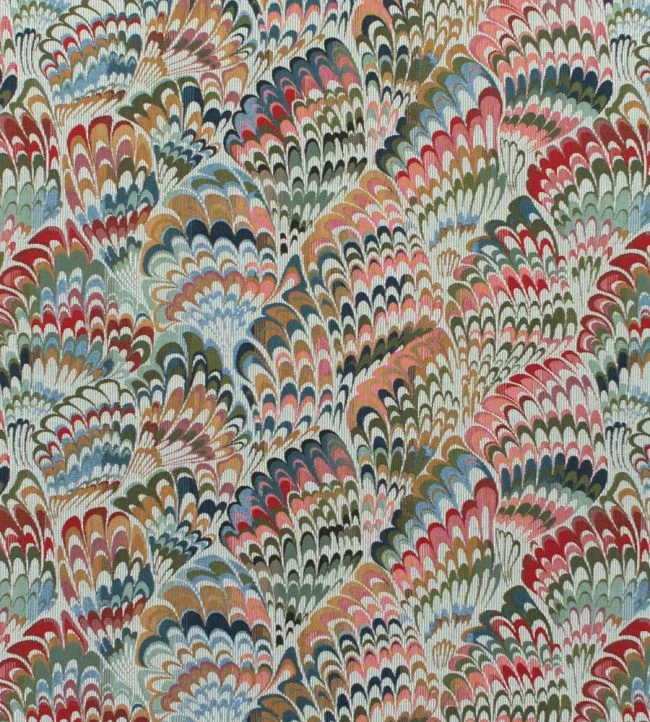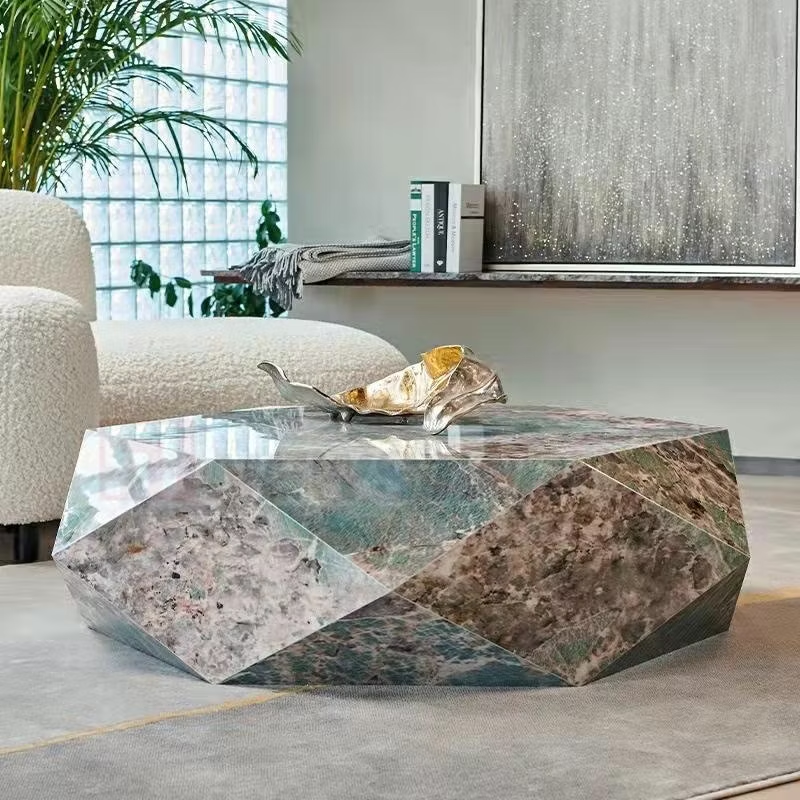


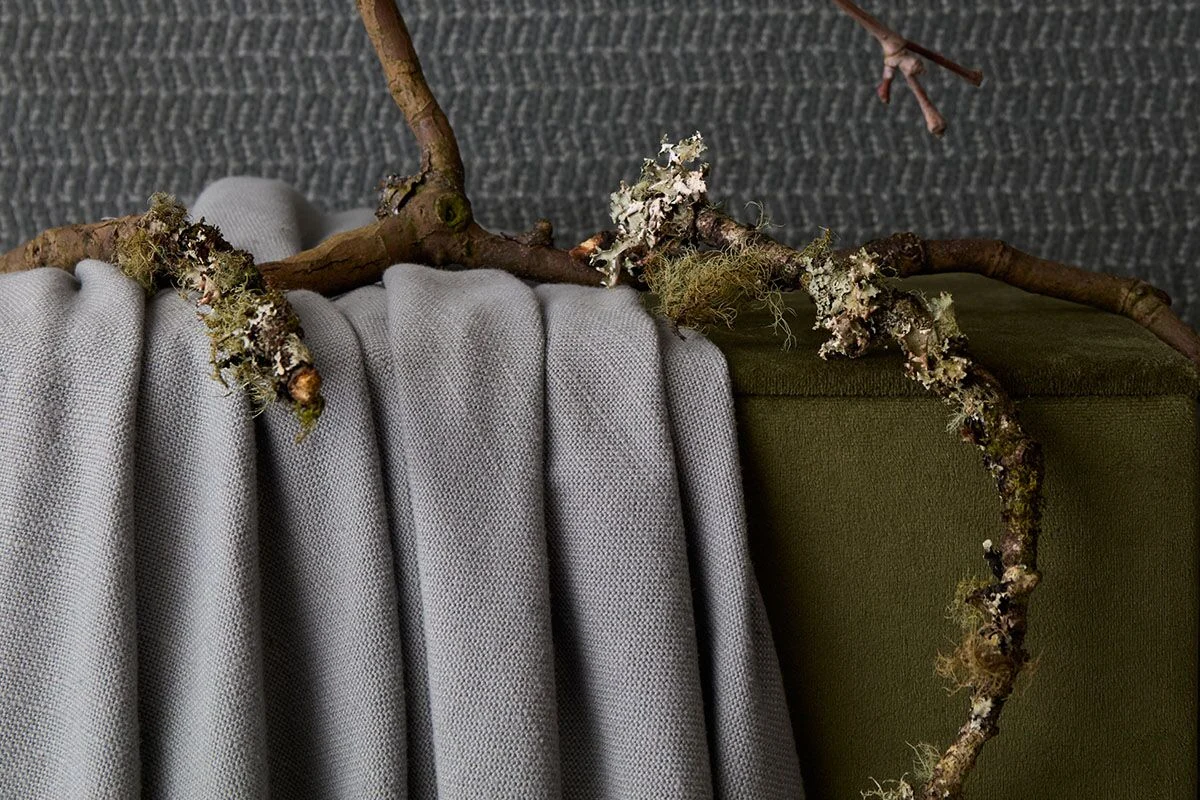


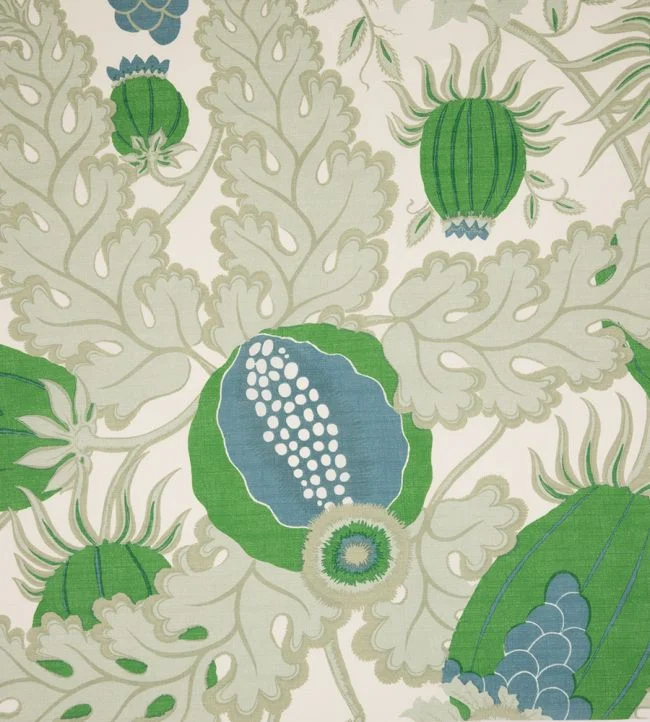


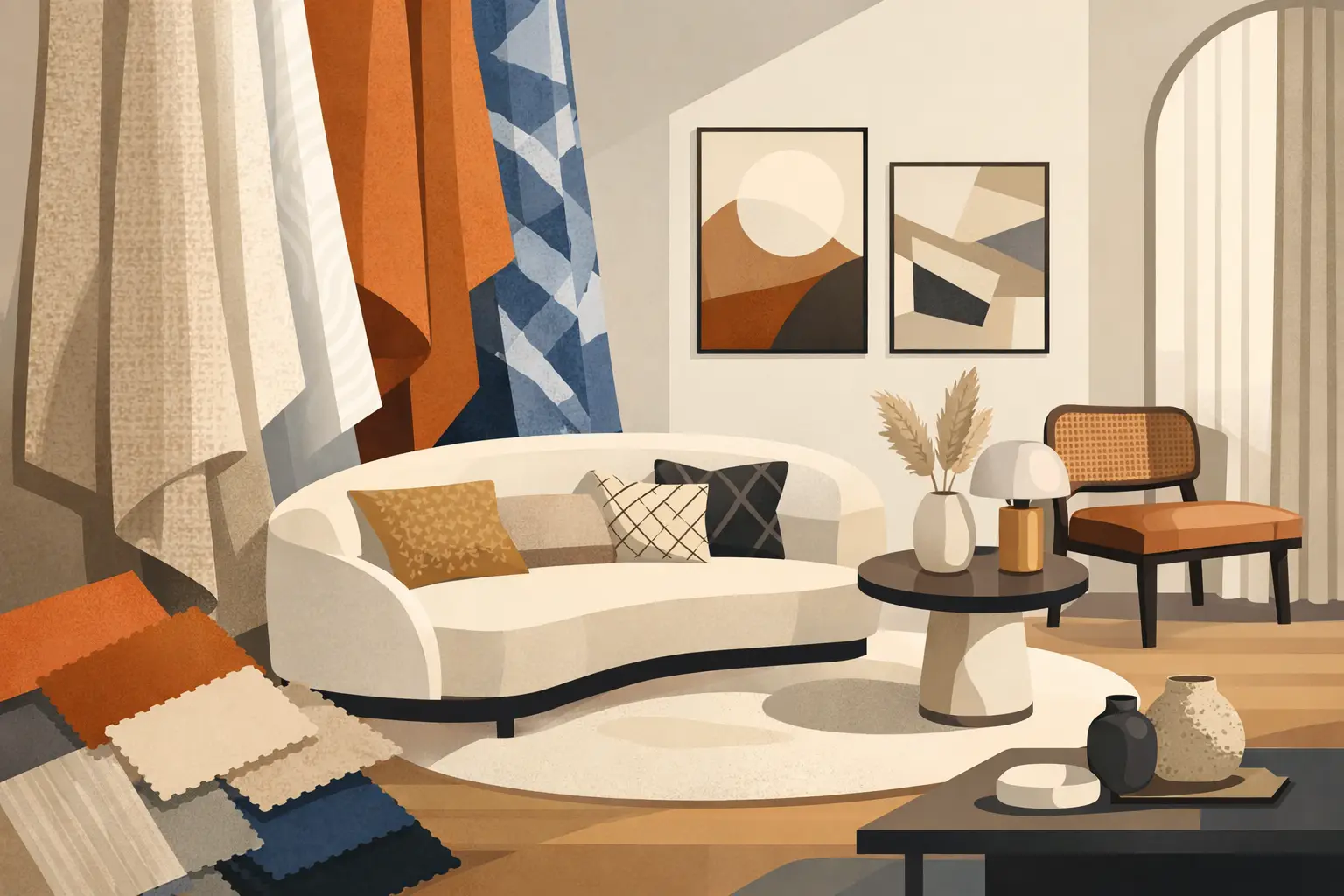
Some fabrics sit quietly in a scheme. Elitis fabrics rarely do. They bring surface, scale and a distinctive point of view – the sort that can shift a room from merely well furnished to emotionally resonant. For clients who want interiors to feel considered rather than conventional, that difference matters.
Elitis has long occupied a compelling place within luxury interiors because its textiles are not simply decorative finishes. They behave more like design gestures. A wall of tactile linen-effect textile, an upholstered headboard in a softly weathered weave, or curtains with a subtle irregularity can change how light moves through a room and how that room is experienced at different times of day. The appeal lies in that layered response – visual, tactile and atmospheric.
Why Elitis fabrics feel different
There are many fabric houses producing beautiful cloth. What distinguishes Elitis is its instinct for material expression. The collections often lean into texture first, then colour, then pattern. That order is significant. In refined contemporary interiors, texture tends to carry more longevity than overt motif. It gives a room depth without forcing the eye to work too hard.
This is one reason Elitis fabrics suit clients who want a home to feel elevated but not over-styled. Boucle-like surfaces, dry linens, velvet finishes, softened neutrals and more adventurous sculptural textures all create interest in a way that feels architectural. Rather than relying on decoration alone, they help shape the room itself.
There is also a certain confidence in the brand’s use of colour. Elitis can be restrained, but it is rarely flat. Whites have warmth, earth tones carry mineral depth, and richer shades feel curated rather than loud. In a luxury setting, that nuance is valuable. A colour does not need to shout to leave an impression.
Where Elitis fabrics work best
The strongest interiors tend to use statement materials with discipline. Elitis fabrics are versatile, but they perform particularly well where there is enough space – physically or visually – for texture to register.
Upholstery with presence
On occasional chairs, banquettes, ottomans and tailored sofas, Elitis textiles can add sculptural richness. This is especially effective in rooms with cleaner architectural lines, where a richly tactile upholstery fabric softens the geometry. A contemporary sofa in an understated silhouette can become far more inviting when covered in a textural weave or brushed finish.
That said, suitability depends on use. In a formal drawing room or principal bedroom seating area, a delicate or highly characterful fabric may be entirely appropriate. In a heavily used family room, performance and durability need closer attention. Luxury is not simply about appearance – it is also about choosing materials that support how a room will actually be lived in.
Curtains that change the mood of a room
Window treatments are often underestimated. Yet in many projects they occupy more visual space than any single furniture piece. Elitis fabrics can produce curtains that feel softly architectural, framing a room without making it feel heavy. Dry linens and layered sheers are particularly effective where the brief is calm, light and understated sophistication.
In taller spaces, or rooms with generous glazing, texture becomes even more important. Flat fabric can look lost. A weave with movement or a finish that catches changing daylight gives the scheme a more composed, luxurious rhythm.
Bedrooms with tactile calm
Bedrooms benefit enormously from restraint, and this is where Elitis often comes into its own. Upholstered wall panels, headboards, cushions and drapery in related tones can create a cocooning effect without becoming predictable. The best schemes rely on tonal variation rather than obvious contrast – chalk against oat, clay against parchment, deep olive against softened stone.
A bedroom should not feel busy. Texture allows it to feel rich while remaining restful.
Elitis fabrics in a layered luxury scheme
The most successful use of Elitis fabrics is rarely isolated. These textiles tend to shine when they are part of a broader material story. That might mean pairing a nubby upholstery fabric with polished plaster walls, smoked oak joinery, bronze accents and soft, sculptural lighting. Or combining a tactile curtain fabric with crisp bed linen, boucle seating and a hand-finished wallcovering.
Luxury interiors depend on contrast, but not chaos. If every finish is competing for attention, the room loses coherence. Elitis fabrics are often best used to introduce complexity in one dimension – surface – while keeping the overall palette controlled.
This is particularly relevant in contemporary homes, penthouses and architecturally led residences, where clean lines can sometimes risk feeling cold. Textiles provide the human counterpoint. They absorb sound, soften light and make larger volumes feel more intimate. When chosen carefully, they do more than decorate – they shape experience.
How to choose Elitis fabrics well
Choosing luxury fabric should never be reduced to selecting a sample in isolation. A textile that looks exquisite on a hanger may feel entirely different once stretched across a headboard or made into full-length drapery.
Start with the room, not the roll
The right question is not simply, Which fabric do I like? It is, What does this room need? Some spaces need softness. Others need definition. A formal reception room may benefit from a fabric with greater structure and presence, while a private study or bedroom might call for warmth and quiet texture.
Light matters too. Natural northern light, strong southern exposure, evening-only use and artificial lighting schemes all alter how a fabric reads. A weave that seems pale and subtle in a showroom can gain depth at home. Equally, an expressive texture can become overpowering if repeated too widely in a compact room.
Consider scale and application
Fabrics are experienced differently depending on where they are used. A tactile weave on a single armchair may feel elegant and composed. The same textile over a large sectional sofa could feel visually dense. Likewise, a dramatic pattern or textural effect that looks sophisticated on a cushion may become too assertive as full-room drapery.
This is where design guidance becomes invaluable. Proportion, repetition and placement matter as much as the cloth itself.
Balance beauty with practicality
Not every luxury fabric is intended for every use. High-touch seating, children’s spaces, hospitality environments and sun-exposed rooms all present different demands. Rub count, composition, backing requirements, maintenance and fading resistance should be considered early, not as an afterthought.
There is no contradiction between beauty and practicality, but there is always a balance to strike. The most successful schemes respect both.
A contemporary alternative to obvious luxury
One of the reasons Elitis remains so relevant is that it offers an alternative to more traditional expressions of opulence. Some interiors still lean heavily on shine, ornament and formality to signal luxury. Elitis fabrics tend to communicate it through tactility, material honesty and subtle drama.
That distinction appeals to a more design-literate client – someone who wants a home to feel exceptional without resorting to cliché. A room does not need elaborate pattern and overt grandeur to feel expensive. Sometimes a beautifully judged textured textile, used in the right place, says far more.
This approach also travels well across styles. Elitis can sit comfortably within a pared-back urban flat, a Mediterranean villa, a quietly luxurious country house or a boutique hospitality setting. The thread that connects those spaces is not a single look, but a commitment to atmosphere and finish.
Why designers return to Elitis fabrics
Design professionals often come back to fabric houses that offer more than surface appeal. Reliability of aesthetic language matters. So does the ability to find textiles with character that still work as part of a larger scheme. Elitis has that quality. It can provide a focal point, but it can also support other elements – sculptural lighting, bespoke joinery, contemporary furniture, natural stone – without visual conflict.
For a design-led interiors studio such as Tobias Oliver Interiors, this makes the collection especially useful in curated, layered projects where every finish must contribute to a coherent whole. The aim is never to specify fabric for its own sake. It is to select textiles that deepen the narrative of the interior and hold their own over time.
That longevity is worth dwelling on. In luxury projects, the true test of a fabric is not whether it feels current on installation day. It is whether it still feels right several years later, once the novelty has passed and the room has settled into daily life. Texture, craftsmanship and tonal subtlety usually endure better than trend-led statements.
Elitis fabrics offer exactly that sort of enduring interest. They reward close attention, they elevate the ordinary surfaces of a room, and they help create interiors that feel composed, expressive and lived in with intention. If you are choosing textiles for a home that should feel deeply personal as well as beautifully resolved, start with how you want the room to feel – then let the fabric carry that feeling quietly through the space.

18th June, 2026

17th June, 2026