





A room rarely feels luxurious because it is filled with expensive things. More often, it feels luxurious because every surface has been considered – how the curtain falls, how a chair catches the light, how texture softens architecture. Lizzo fabrics sit confidently within that conversation. They are for interiors that do not need to shout, yet still leave a lasting impression.
For discerning homeowners and design professionals alike, textiles are never an afterthought. They shape atmosphere, absorb sound, temper hard architectural lines and, at their best, tell a story about taste. Lizzo has earned its place in contemporary interiors by offering fabrics with character, tactility and decorative intelligence, without tipping into excess.
What sets Lizzo fabrics apart
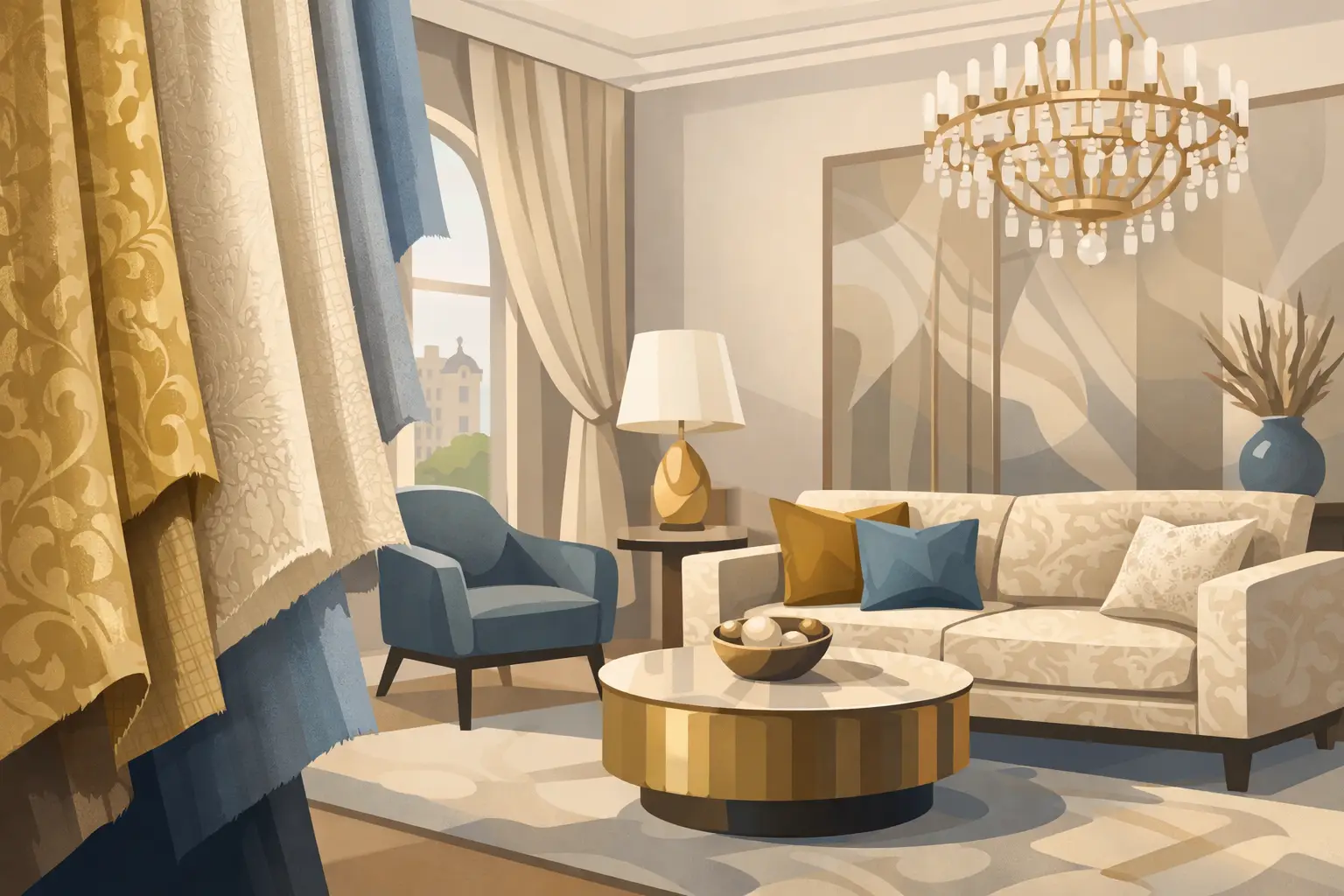
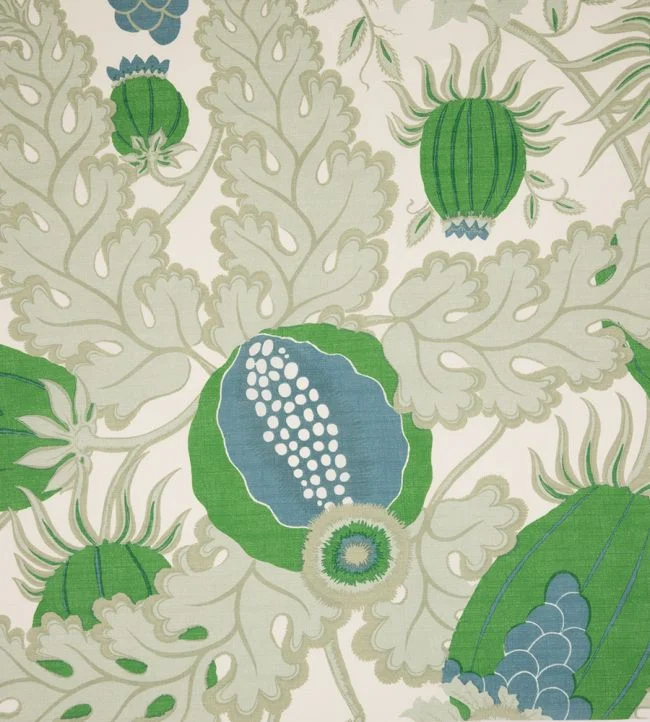
Lizzo fabrics are often recognised for their expressive use of texture and decorative nuance. There is a certain artistry to the collections – woven surfaces that feel considered rather than contrived, embroideries with movement, sheers that filter light with a gentle elegance. The appeal lies in their ability to add richness while remaining composed.
That balance matters. In a well-designed home, fabric should support the architecture and furnishings, not compete with them. Lizzo tends to work particularly well in schemes where materiality is doing the heavy lifting – stone, timber, plaster, brushed metal and linen all benefit from textiles that introduce softness and visual rhythm.
There is also a versatility to the brand that makes it attractive for layered residential design. Some collections are overtly decorative, ideal for spaces where personality and pattern are central. Others are quieter, relying on weave, relief and subtle tonal shifts to create depth. This range allows designers to build rooms that feel complete rather than formulaic.
Where Lizzo fabrics work best
The strongest textile schemes are always responsive to the room itself. Lizzo fabrics can be especially effective in living rooms, principal bedrooms, dressing areas and formal reception spaces, where softness and sophistication carry equal weight.
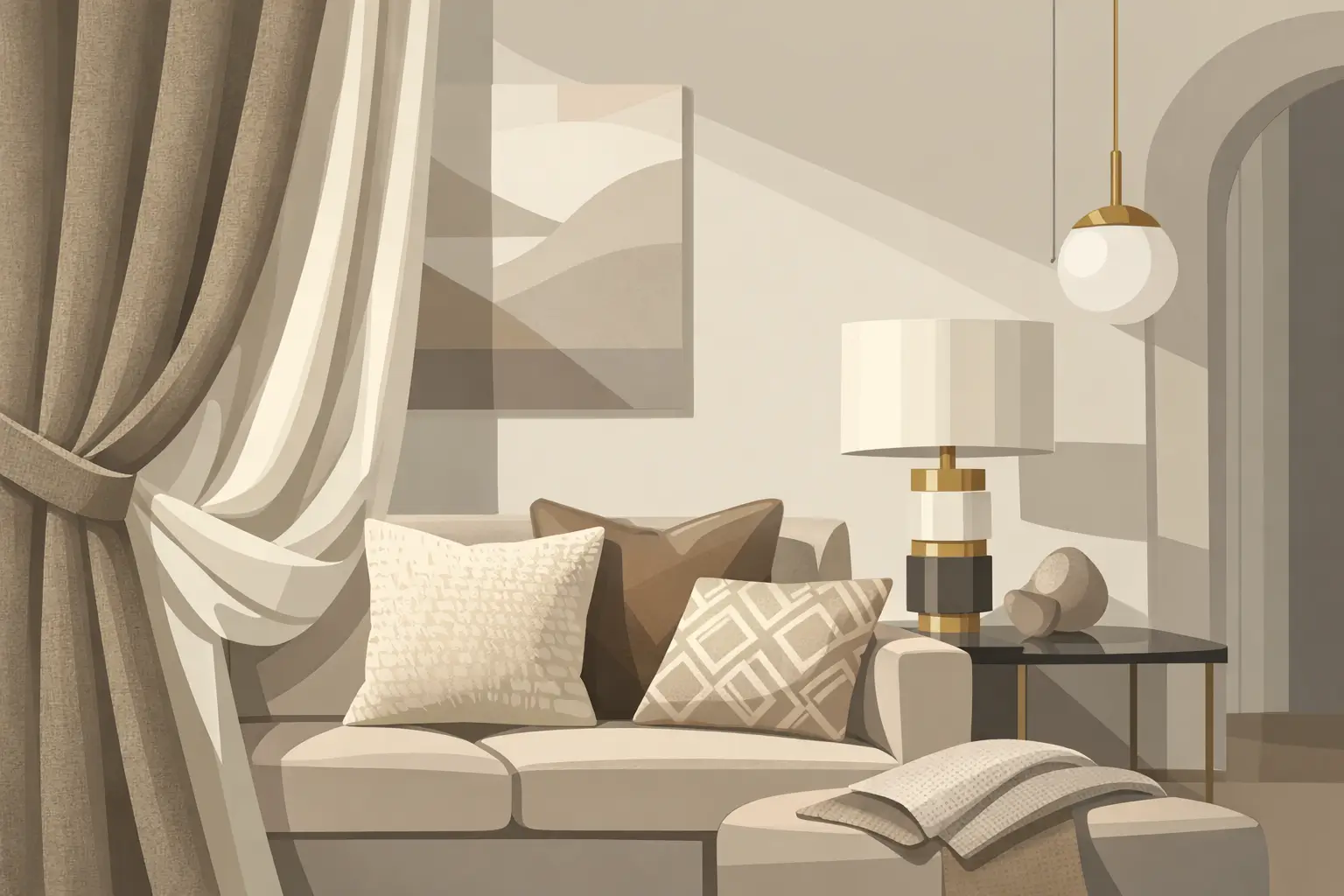
In a drawing room or lounge, they can introduce a refined decorative note through drapery or accent upholstery. A textured weave on a pair of armchairs, for example, can stop a room from feeling too polished, while embroidered curtains bring movement and a sense of finish. In bedrooms, the brand’s softer and more atmospheric qualities come into their own. Headboards, bed valances and layered window treatments all benefit from fabrics that feel tactile and composed.
They are also well suited to homes where contemporary design needs warmth. Minimal architecture can become austere without enough sensory variation. Textiles with subtle relief, artisanal detailing or a lightly irregular surface help a room feel inhabited and emotionally resonant.
That said, application matters. Not every Lizzo design should be used heavily across a scheme. Some fabrics are most successful as punctuation rather than a dominant theme. A decorative embroidery may be exquisite on cushions or a single ottoman, but too insistent across multiple upholstered pieces. Restraint is often what allows luxury to register.
Choosing Lizzo fabrics for curtains and upholstery
Curtains and upholstery ask different things of a fabric, so beauty alone is not enough. One of the most common mistakes in premium interior schemes is selecting a textile by appearance without considering how it will perform at scale and in use.
For curtains, drape is everything. A fabric can be visually stunning on a hanger but disappoint once it is made into full-length panels. Lizzo fabrics with fluidity, light texture or a softly structured weave tend to perform beautifully in formal and semi-formal rooms. Sheers are equally important. In homes with generous glazing, a sheer can shape daylight in a way that feels architectural, creating privacy without losing luminosity.
For upholstery, durability becomes part of the design conversation. The right Lizzo fabric for an occasional bedroom chair may not suit a heavily used family sitting room. Decorative weaves and delicate embroideries can be magnificent, but they need the right setting. In practical terms, pieces that see regular use often benefit from fabrics with a denser handle, more forgiving texture or a pattern that wears gracefully over time.
This is where experience matters. Luxury interiors are not simply about selecting a beautiful textile, but about placing it intelligently. The same fabric can feel exquisite in one application and misplaced in another.
Colour, texture and the quieter language of luxury
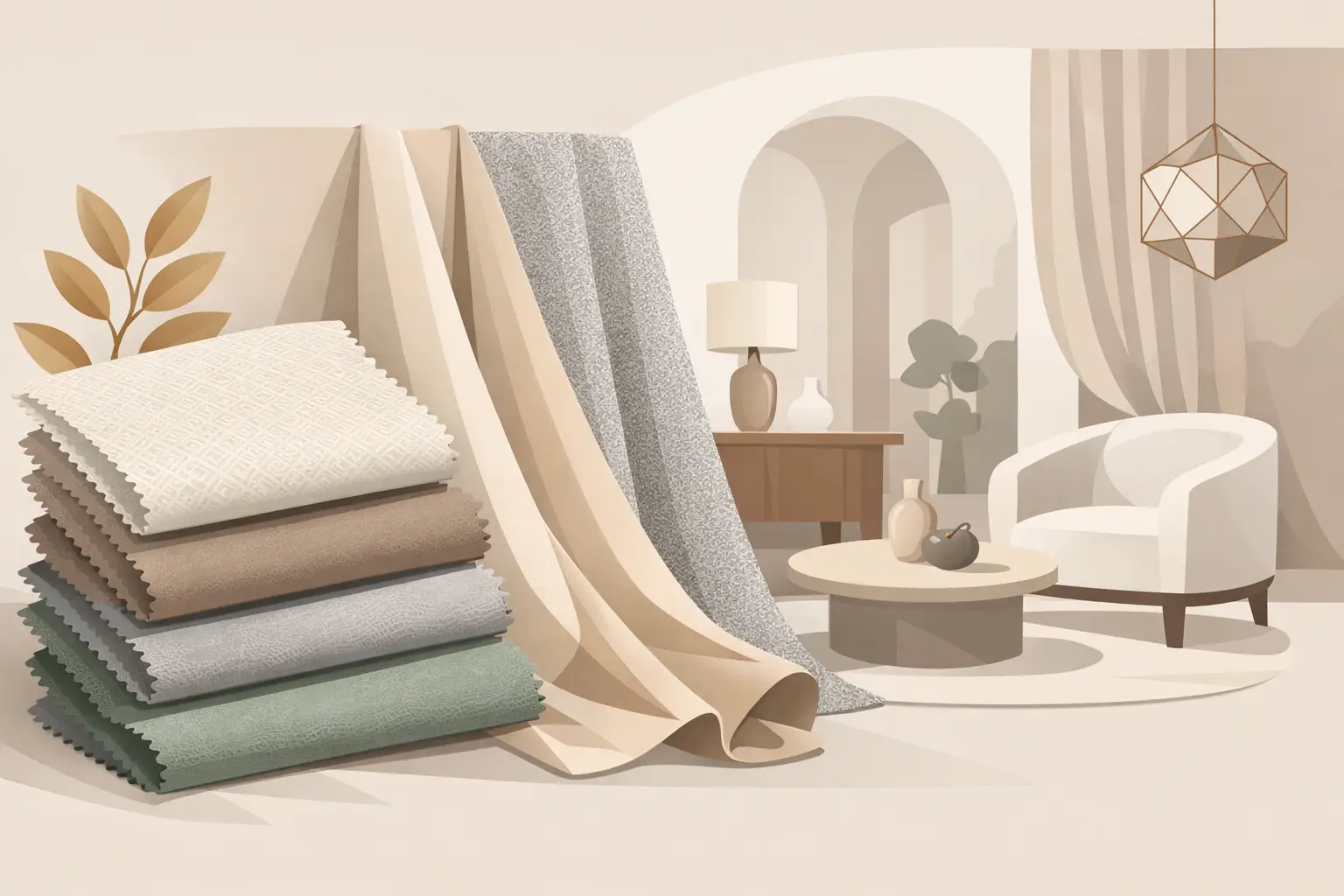
One of the reasons Lizzo fabrics appeal to design-led interiors is their ability to create interest without relying solely on bold colour. In elevated homes, luxury often comes from subtle shifts rather than dramatic contrast – chalk against ivory, bronze against taupe, moss against stone.
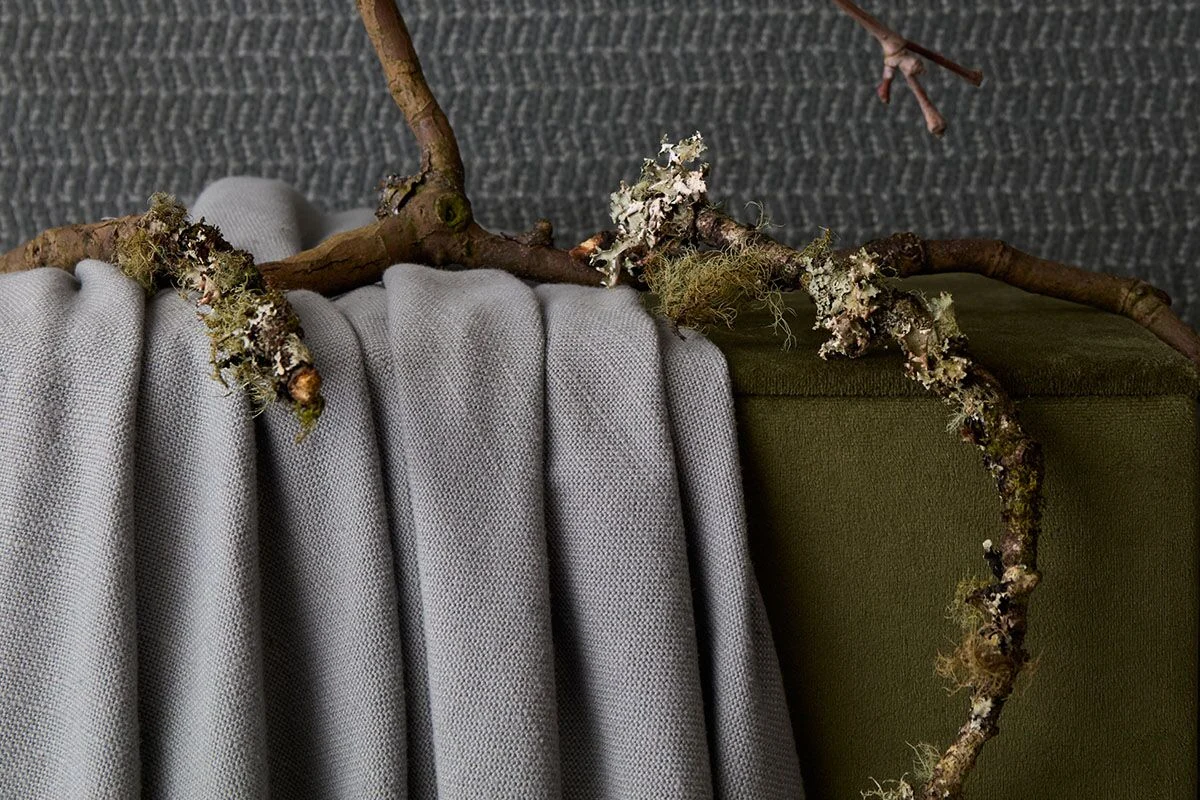
Texture becomes the carrier of mood. A boucle-like weave can add softness to a tailored scheme. A lightly lustrous embroidery can bring evening glamour to a room that feels restrained by day. A dry, natural ground cloth can temper more formal furniture and decorative lighting.
For clients drawn to understated sophistication, this approach is especially valuable. It allows a room to unfold slowly. Rather than presenting everything at once, the space reveals itself through touch, shadow and changing light. That is often the difference between a room that looks expensive and one that feels deeply considered.
There is, of course, a place for stronger pattern and richer tonality. In studies, media rooms or guest suites, a more expressive Lizzo textile can create intimacy and distinction. The key is to understand the room’s role. A principal living space may need calm and longevity, whereas a smaller room can sustain more decorative bravado.
How to layer Lizzo fabrics with other luxury materials
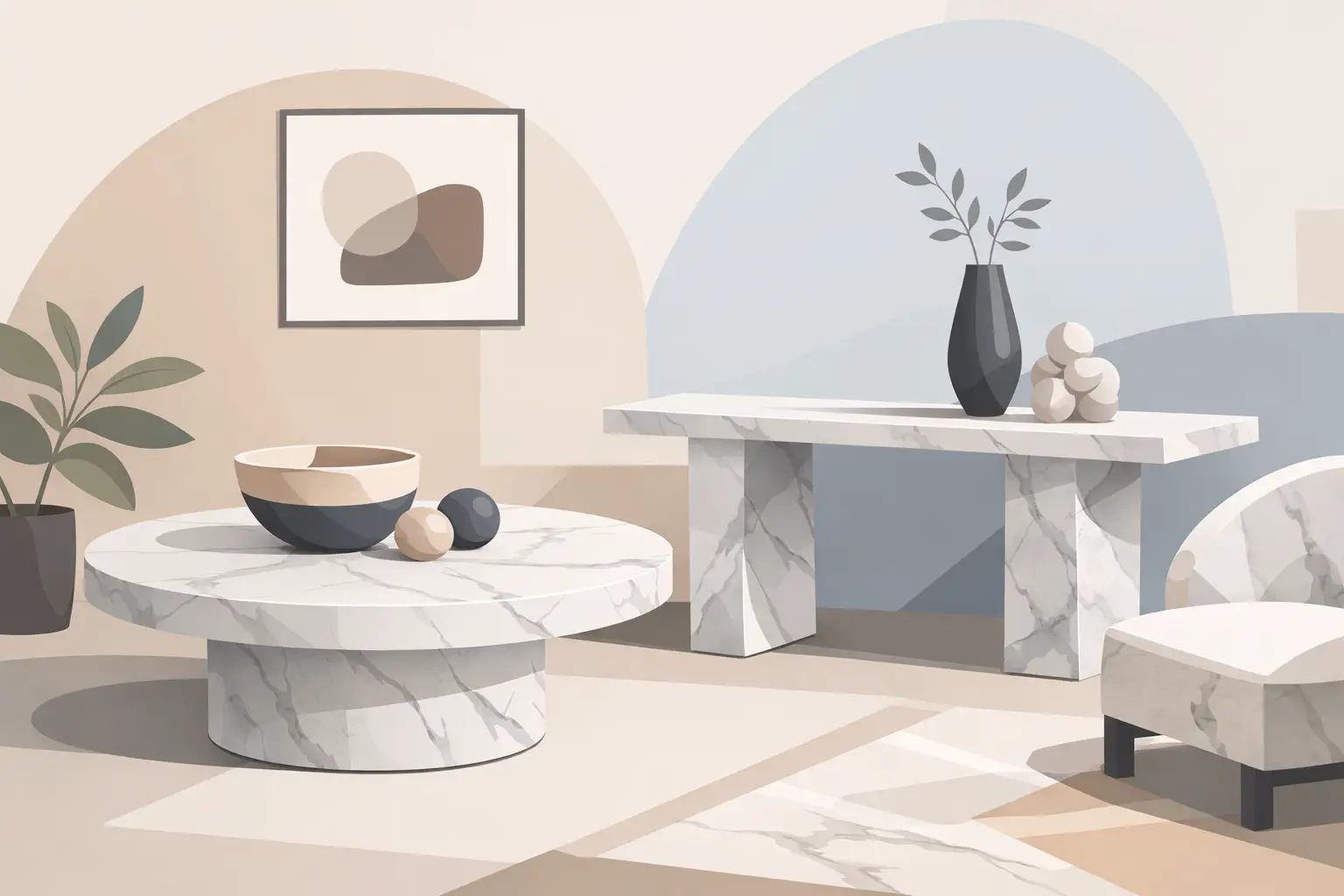
The most convincing interiors are rarely built from one brand or one note. They are composed through contrast, cadence and careful editing. Lizzo fabrics work particularly well when layered with natural stone, smoked oak, antiqued brass, hand-finished plaster and sculptural lighting.
In practical terms, a room with architectural restraint may benefit from a highly textured Lizzo curtain fabric paired with a quieter upholstery base. Conversely, if a hero sofa is upholstered in a decorative weave, surrounding elements may need to recede – plain linens, tailored rugs, simple shades and furniture with clean silhouettes.
This interplay is where curation becomes invaluable. In projects that combine designer fabrics, bespoke upholstery, luxury lighting and statement furniture, each decision affects the next. A fabric is never isolated. It sits against joinery, under lighting, beside metal finishes and within the wider rhythm of the home.
At Tobias Oliver Interiors, that layered view is central to how refined schemes are shaped. Textiles are considered not as standalone products, but as part of a complete interior language.
Is Lizzo right for every project?
Not necessarily, and that is precisely the point. The best interiors are selective. Lizzo fabrics are especially compelling where the brief calls for decorative sophistication, tactile richness and a slightly artistic edge. They may be less relevant for highly utilitarian spaces or schemes driven purely by performance specifications.
They also require confidence in editing. If a project already contains multiple strong gestures – dramatic veining in stone, assertive furniture forms, bold art and complex lighting – introducing heavily decorative textiles may overcomplicate the room. In those cases, quieter fabrics from elsewhere in the specification might serve the design better.
But where a room needs texture, softness and a sense of cultured individuality, Lizzo can be remarkably effective. It offers the possibility of refinement with personality, which is rarer than it sounds.
The lasting value of thoughtful textile selection
Truly successful interiors do not rely on novelty. They endure because the materials continue to please the eye and hand long after installation. Textiles are central to that longevity. They are among the surfaces we interact with most closely, and their quality is immediately legible.
Choosing Lizzo fabrics is less about following a trend and more about understanding what the room is asking for – softness, pattern, atmosphere, light control, intimacy or decorative definition. When selected with precision, the result is not simply a prettier space, but one that feels more complete.
That is the real value of exceptional fabric. It does not just finish a room. It changes how the room is experienced, quietly shaping the way it welcomes, settles and stays with you.

16th June, 2026

15th June, 2026