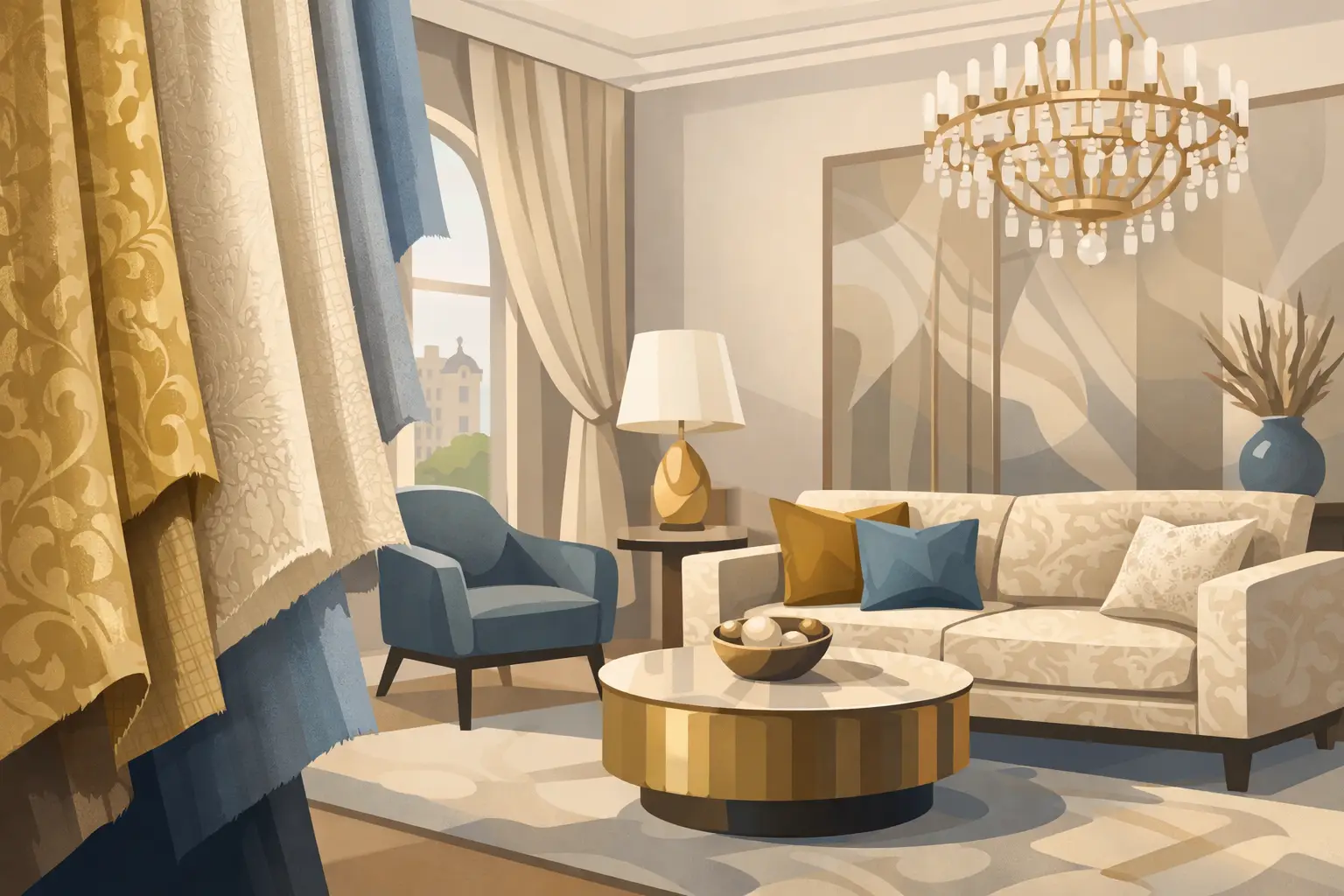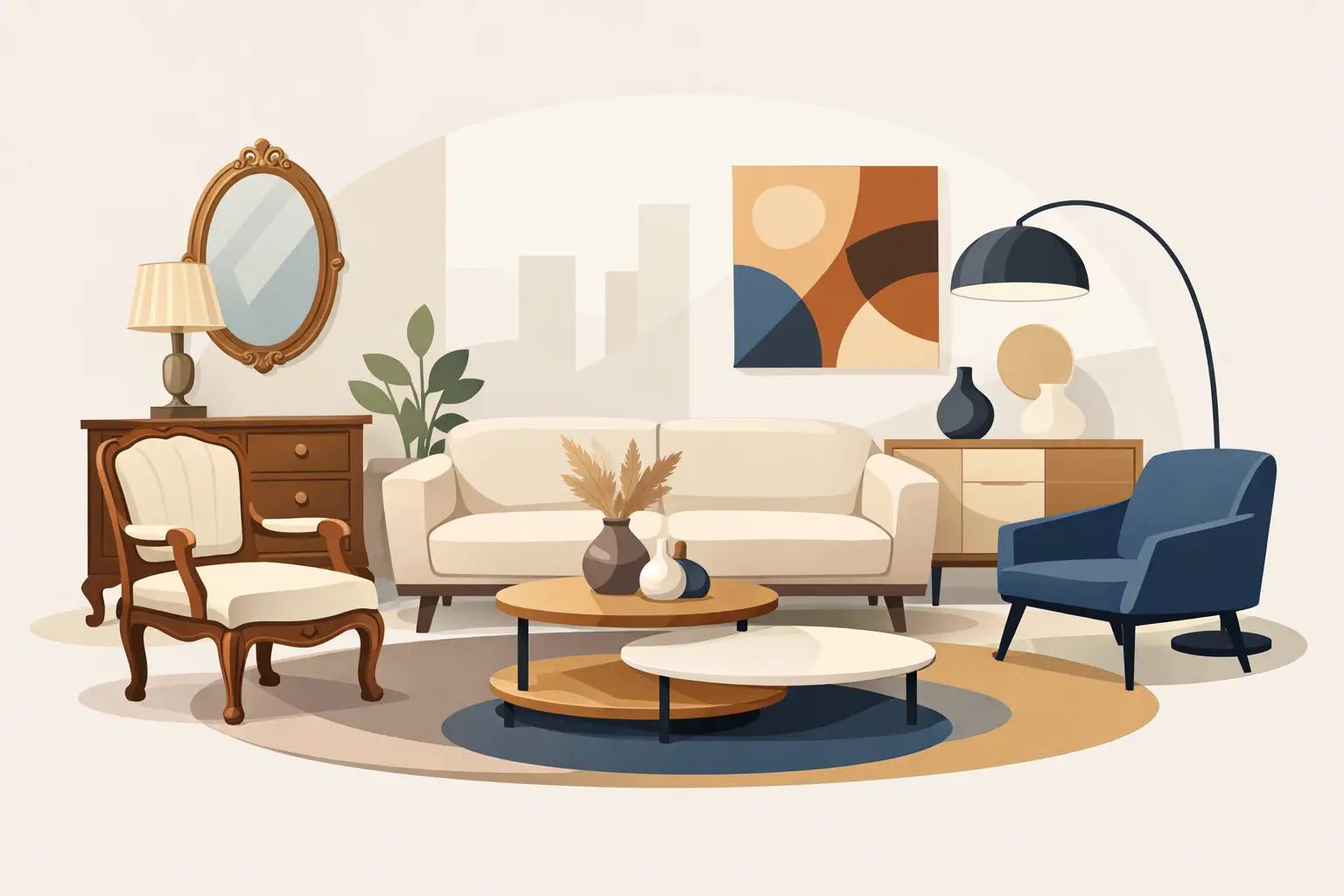


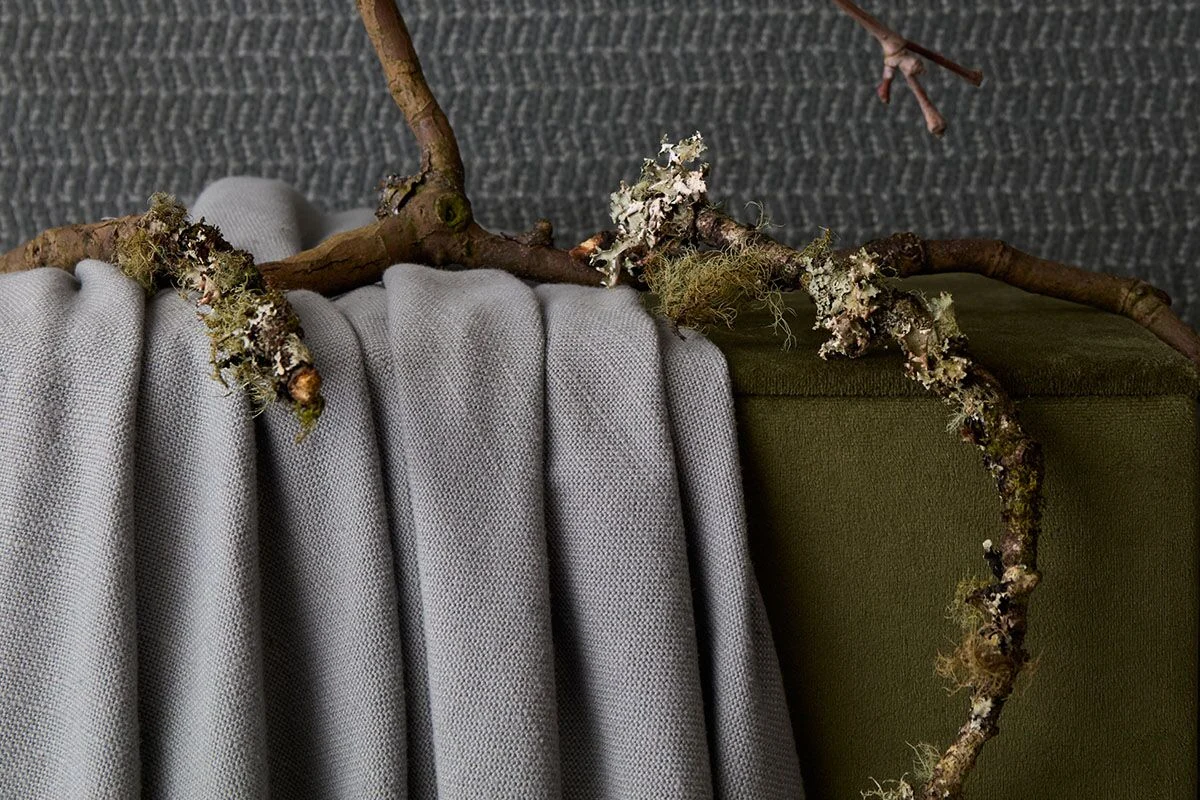


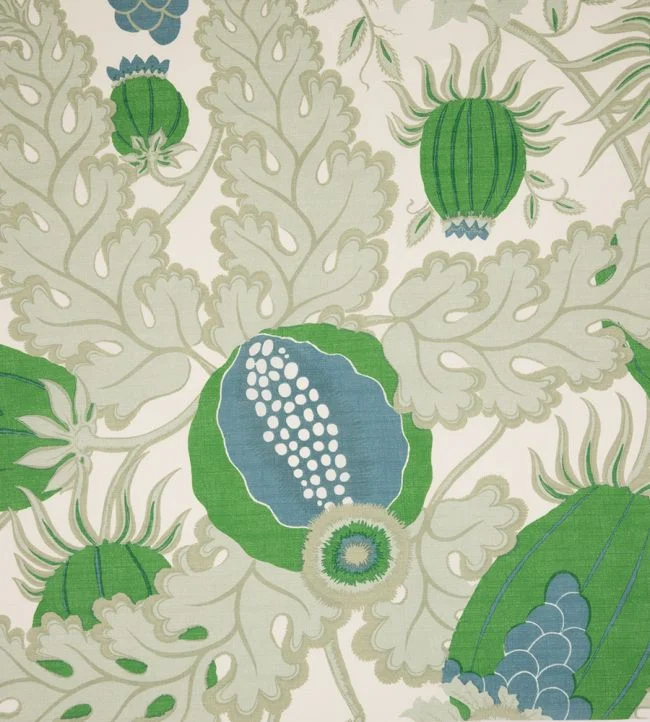


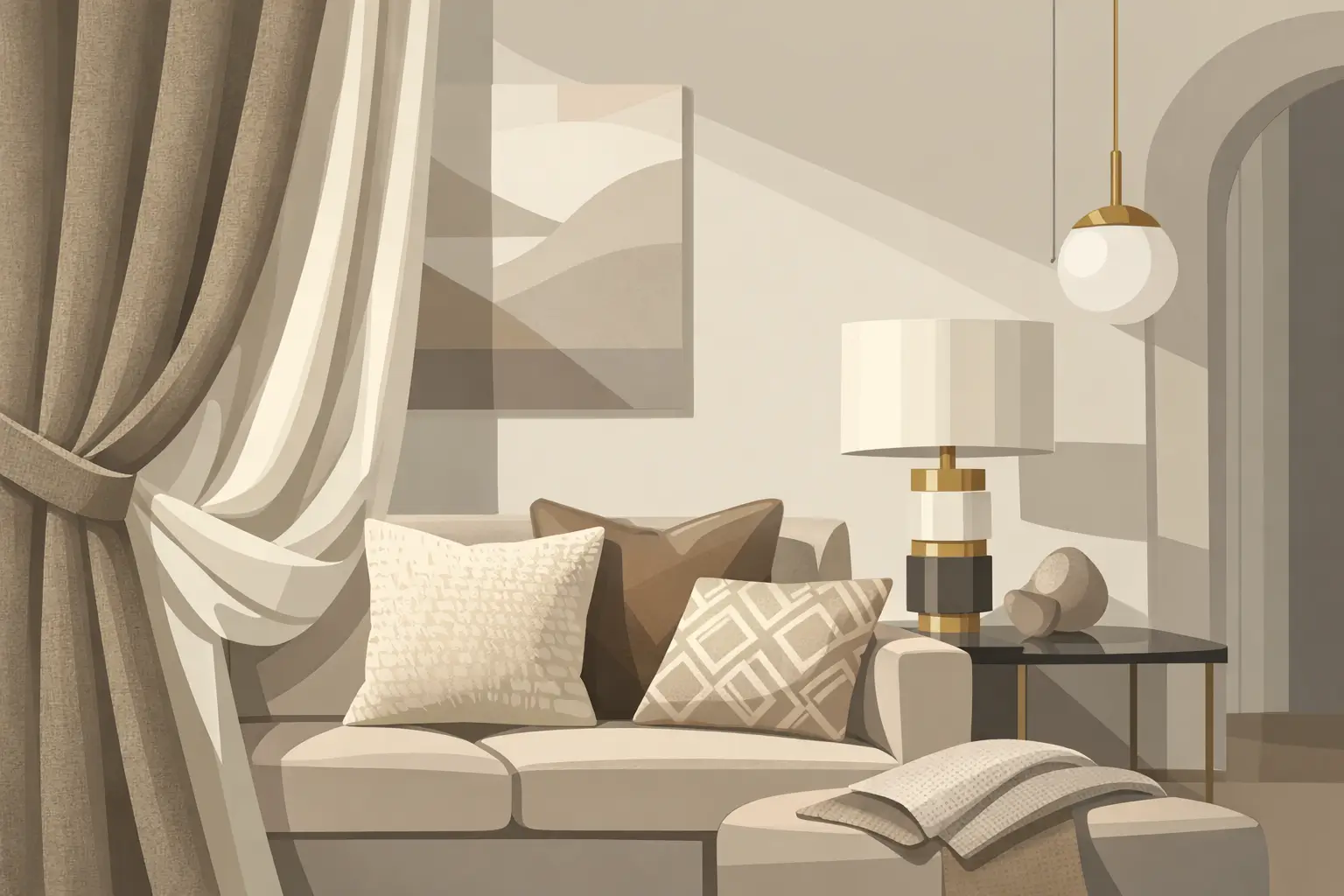
A room can have impeccable architecture, beautifully judged lighting and furniture of real pedigree, yet still feel unfinished. Often, the missing layer is textile – the material that softens scale, controls light, shapes acoustics and gives an interior its emotional temperature. That is where Nobilis fabrics hold such quiet authority. They do not clamour for attention. They create atmosphere, depth and polish with the kind of confidence that only comes from design intelligence and material integrity.
For clients who want their interiors to feel elevated rather than decorated, Nobilis offers something especially compelling. There is a Parisian sensibility to the collection – cultivated, nuanced and assured – but it is never so mannered that it loses versatility. In the right setting, these fabrics can read architectural and restrained, or richly layered and expressive. That range is part of their enduring appeal.
What sets Nobilis fabrics apart
Nobilis has long occupied a distinctive place within the world of luxury textiles. The house is known for balancing artistry with usability, which is not always an easy line to hold. Some fabric collections are visually arresting but difficult to live with. Others are practical but lack soul. Nobilis tends to sit in the more interesting middle ground, where colour, texture and pattern are considered with a decorative eye, yet remain highly relevant for real interiors.
One reason designers return to the collection is its command of texture. Boucles with sculptural character, velvets with a dry, sophisticated handle, linens that feel relaxed but never casual – these are fabrics that register immediately through touch as much as sight. That tactile richness matters in luxury homes because truly refined interiors are experienced sensorially. The hand of a textile changes how a room is inhabited.
Colour is another strength. Nobilis is particularly adept at complex, atmospheric shades – mineral neutrals, softened terracottas, layered greens, inky blues and nuanced metallic tones. These colours tend to sit beautifully within contemporary schemes because they have depth without harshness. They catch changing daylight well, and they work with natural stone, timber, plaster, bronze and lacquered finishes in a way that feels composed rather than forced.
Nobilis fabrics in contemporary schemes
Contemporary luxury interiors often ask more of textiles than traditional rooms do. They must soften clean architectural lines, add warmth to open-plan spaces and bring intimacy to homes where scale can otherwise feel imposing. Nobilis fabrics are especially effective here because they introduce richness without visual noise.
In a penthouse setting, for instance, a heavily patterned textile may compete with expansive glazing, sculptural lighting and statement art. A woven Nobilis upholstery with subtle movement or a drapery fabric with a fluid, luminous finish can achieve more. It enriches the room without disturbing its calm. The effect is discreet, but it changes everything.
That said, restraint is not the only route. In more layered interiors – a country house, a formal drawing room, a boutique hospitality setting – Nobilis can also bring decorative rhythm. Certain weaves and motifs have enough personality to punctuate a scheme, particularly when used on occasional seating, wall panels or tailored cushions. The key is proportion. A fabric with character needs space to speak, and surrounding materials should support rather than compete with it.
Upholstery, drapery and where the fabric matters most
Not every beautiful textile belongs everywhere. One of the more sophisticated aspects of specifying Nobilis fabrics is understanding how each quality performs in context. Upholstery calls for resilience, but also for a texture that complements the furniture silhouette. A crisp, structured weave can sharpen a contemporary armchair, while a denser velvet can make a curved sofa feel more enveloping and sculptural.
Drapery presents a different question. Here, movement is as important as colour. Some fabrics hold a tailored pleat beautifully, giving windows a precise architectural frame. Others fall more softly, creating a relaxed, almost atmospheric quality. In formal rooms, that distinction matters. A fabric that is too stiff can feel austere. One that is too fluid can look underdressed.
Headboards, wall upholstery and screens are also worth considering. These quieter applications often produce the most luxurious results because they create continuity and softness in places where hard surfaces tend to dominate. A padded wall in a refined woven textile can transform acoustics and atmosphere in a principal bedroom, making the room feel both quieter and more complete.
How to specify Nobilis fabrics well
Luxury fabric should never be chosen in isolation. Even exceptional textiles lose impact when they are selected simply because they are fashionable or immediately striking on a hanger. Nobilis rewards a more considered approach.
The first step is to assess the role the fabric needs to play. Is it anchoring the room, adding contrast, softening architecture or introducing a note of glamour? A fabric used for a large sectional sofa will shape the room very differently from one used on a pair of accent chairs. Scale of application matters as much as the textile itself.
Light should also guide the decision. Colours and textures behave differently in north-facing spaces, sun-filled reception rooms and evening-led interiors. A softly lustrous weave may feel elegant under ambient lighting but overly reflective in strong daylight. Likewise, a muted tone can gain extraordinary depth in a room with shadow and layered illumination. Sampling in situ is essential, particularly with nuanced neutrals and textured weaves.
There is also the question of lifestyle. A formal sitting room allows for a more delicate choice than a family space with daily use. This is not a compromise in luxury – it is part of intelligent specification. The most successful interiors are not merely beautiful to photograph; they are pleasurable to live in. When fabric aligns with how a room is used, the scheme retains its integrity over time.
The balance between statement and subtlety
One of the most common mistakes in premium interiors is overstatement. When every element is designed to impress, very little has room to resonate. Nobilis fabrics are often at their best when used to calibrate a room rather than dominate it.
A deeply textured neutral on a generous sofa can allow sculptural lighting, art and joinery to come forward. Equally, a striking woven or patterned textile can become the focal point when the rest of the palette is intentionally restrained. Neither approach is inherently better. It depends on the architecture, the furniture language and the mood the client wants to create.
This is where experienced curation matters. A luxurious room is rarely built from singular hero pieces alone. It comes from tension and balance – matte against sheen, structure against softness, quiet surfaces against moments of ornament. Nobilis offers excellent material for that dialogue because the collection has enough subtlety to layer well.
Why Nobilis fabrics remain relevant
Trends move quickly in interiors, but genuinely well-made textiles hold their place because they answer needs that are deeper than fashion. Clients still want comfort, refinement, longevity and a home that feels distinct to them. Designers still need materials that can bridge architecture and decoration without becoming either too flat or too theatrical. Nobilis continues to matter because it addresses both.
There is also an emotional quality to the collection that should not be overlooked. The best fabrics do more than finish a room. They alter how it feels at different times of day, how sound travels, how seating invites pause, how light settles across a surface. They shape experience in quiet but lasting ways. That is especially valuable in homes designed not for display, but for living well.
For discerning homeowners and design professionals alike, Nobilis offers a language of elegance that is neither obvious nor cold. It is cultivated, tactile and deeply usable. In thoughtfully composed interiors, that kind of restraint often proves more luxurious than spectacle.
When choosing textiles for a home that should feel both personal and enduring, it is worth looking beyond what photographs well in the moment and towards what will continue to enrich daily life. The right fabric does not simply complete a scheme – it gives the room its lasting voice.

14th June, 2026

13th June, 2026