





There is a particular confidence to a room that does not need to announce itself. It sits in the fall of a curtain, the hand of a woven textile, the way light catches a subtle pattern at dusk. That is where Le Lievre fabrics tend to excel – not in spectacle for its own sake, but in the kind of decorative intelligence that gives an interior depth, polish and longevity.
For discerning homeowners and design professionals alike, choosing fabric is rarely a finishing touch. It is often the element that establishes mood first and holds a scheme together over time. In that context, Le Lievre occupies a distinctive place. The house is recognised for textiles that feel cultured rather than showy, luxurious without becoming heavy-handed, and expressive in a way that still leaves room for architecture, art and furniture to breathe.
What sets Le Lievre fabrics apart
Le Lievre fabrics are often appreciated for their balance. They carry the heritage and finesse one expects from a respected European textile house, yet they are highly relevant to contemporary interiors. That makes them especially compelling in projects where the brief calls for sophistication with restraint.
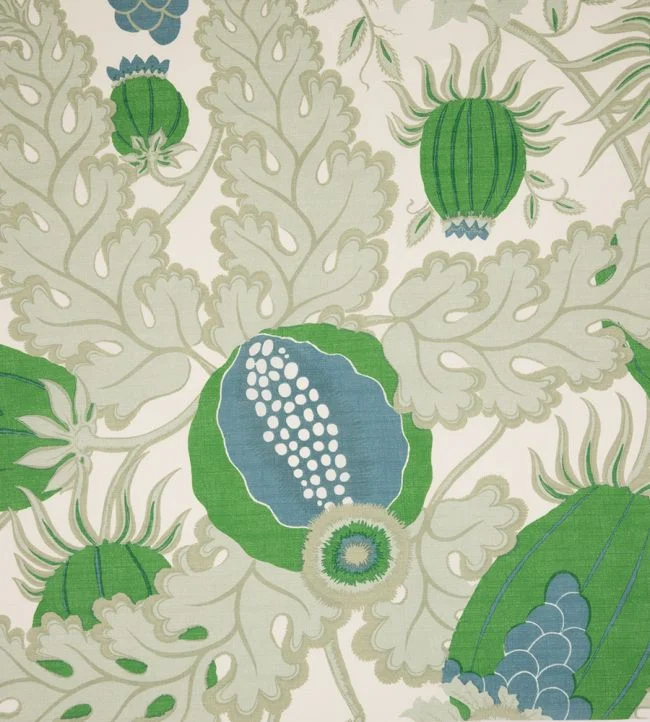
The appeal lies partly in the layering of qualities rather than one dominant signature. Texture is considered carefully. Colour palettes tend to feel intelligent and composed. Patterns, when present, are often nuanced enough to reward a closer look rather than dominate a room immediately. This is important in high-end residential spaces, where the goal is not simply to impress on first viewing, but to create rooms that continue to reveal themselves through daily living.
There is also a material honesty to fabrics of this calibre. A weave with visible irregularity, a lustrous yet controlled finish, or a tactile surface that softens a sharper architectural envelope can all shift the emotional reading of a space. In a penthouse, that might mean bringing warmth to expanses of stone and glass. In a country house, it may mean introducing a more tailored note that stops a room feeling overly rustic.
How Le Lievre fabrics shape a room
Luxury interiors are rarely built from statement pieces alone. More often, they are shaped through the tension between scale, texture, silhouette and softness. Fabrics sit at the centre of that conversation.
For upholstery
On sofas, occasional chairs and headboards, Le Lievre fabrics can create a sense of understated architecture. The right textile gives form more presence. It sharpens lines when needed, or softens them when a scheme risks feeling too formal. A beautifully woven plain or small-scale pattern can be especially effective in rooms where the furniture profile is already sculptural.
This is where judgement matters. A highly textured fabric may add richness to a pared-back frame, but in a room with strong timber grain, veined marble and decorative lighting, something quieter may be the more elegant choice. Luxury is not about adding more at every turn. Often, it is about knowing where to hold back.
For curtains and drapery
Curtains are one of the most transformative uses of fabric, particularly in properties with generous ceiling heights or expansive glazing. The drape, density and finish of the cloth determine whether a window treatment feels crisp and architectural or relaxed and atmospheric.
Le Lievre fabrics are well suited to interiors where window dressings must do more than provide privacy. They need to soften light, frame views and contribute to the room’s rhythm. A subtle woven stripe, an airy sheer or a richer decorative textile can each alter the experience of a space. In formal reception rooms, the effect may be one of composed grandeur. In bedrooms, it is more often about intimacy and calm.
For layered decorative detailing
The most memorable schemes are usually layered rather than matched. Fabric is essential to this. Cushions, ottomans, wall upholstery and bespoke panels all offer opportunities to introduce nuance.
This is where a fabric house with breadth becomes valuable. It allows a designer to move across texture and tone without losing coherence. A room might begin with a restrained upholstery base, then take on greater personality through a contrasting trim, an accent cushion in a more expressive weave, or a softly patterned panel that catches the eye only gradually. The result feels composed rather than prescribed.
Where Le Lievre fabrics work best
One of the strengths of Le Lievre is versatility across interior styles, provided the selection is handled with precision. These fabrics do not belong only to classical rooms or only to contemporary spaces. They work in both because their refinement sits beyond trend.
In modern flats and architecturally pared-back homes, they bring tactility and warmth. Clean-lined interiors can easily become visually cold if every surface is hard or flat. A nuanced textile introduces relief. It catches light differently through the day and makes a room feel inhabited rather than simply styled.
In period properties or more decorative homes, the same quality of textile can help edit the scheme. Rather than adding yet another layer of ornament, it can introduce discipline and elegance. This is especially useful in listed homes, townhouses and heritage settings where original features already carry visual weight.
For hospitality and private client projects, the appeal is equally clear. Guests and residents may not always identify the source of a fabric, but they feel its effect immediately. Rooms become more welcoming, more resolved and more emotionally resonant when textiles are chosen with this level of care.
Choosing Le Lievre fabrics well
The quality of the fabric matters, but so does the quality of the decision around it. Even the finest textile can feel underwhelming if it is used in the wrong way or in the wrong quantity.
Scale is often the first consideration. A pattern that looks elegant on a hanger may become repetitive across large curtain runs. Equally, a quiet plain can feel too anonymous unless it has enough texture or tonal movement. Sampling in situ is essential, especially in rooms with changing natural light.
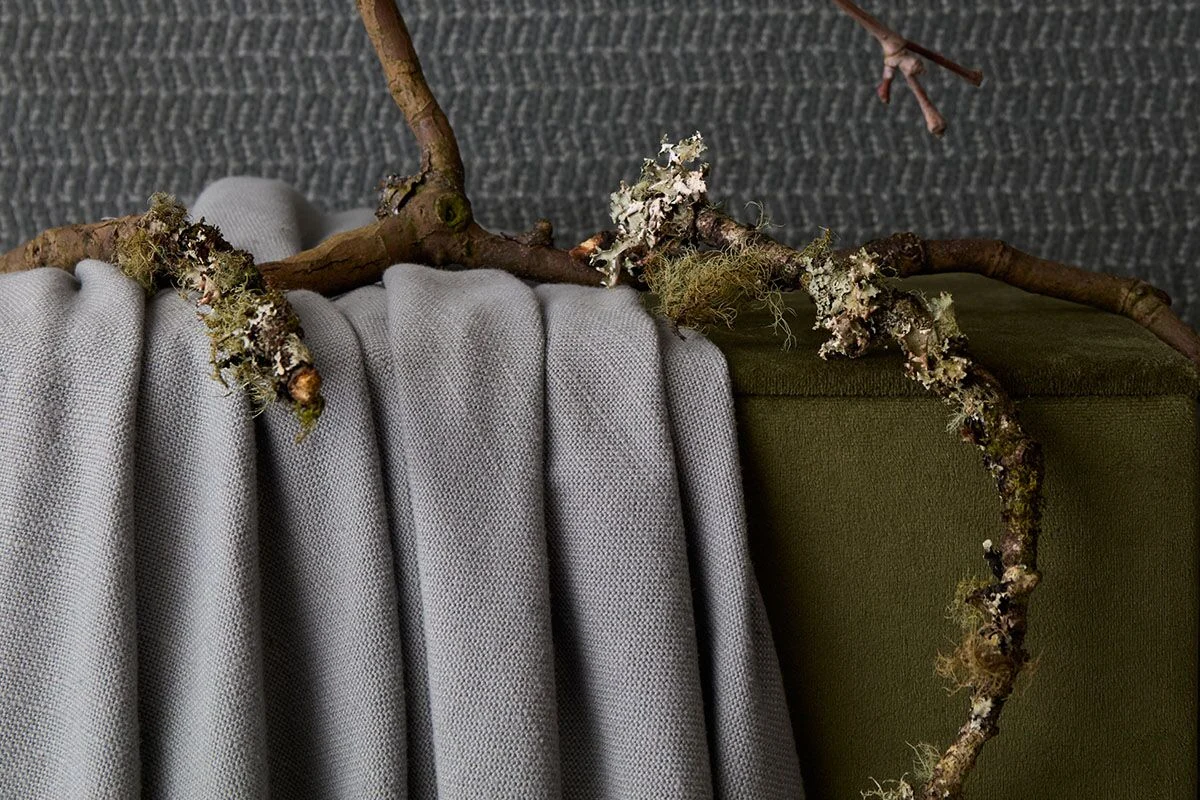
Colour needs similar discipline. High-end interiors rarely rely on obvious contrast alone. They tend to build visual richness through tonal variation – stone with chalk, bronze with umber, parchment with smoke, moss with olive. Le Lievre fabrics often lend themselves well to this approach because many refined textile houses understand that subtle colour can be more powerful than saturated colour used indiscriminately.
Practicality must also be part of the conversation. Some fabrics are best reserved for decorative applications, while others are better suited to everyday upholstery. A formal drawing room has different demands from a family snug. A principal bedroom requires a different atmosphere from a breakfast room. The right choice depends on how the room is truly lived in, not simply how it is photographed.
Why provenance and craftsmanship still matter
In luxury interiors, provenance is not a marketing detail. It is part of the value. Clients investing in exceptional homes want materials with integrity – pieces and finishes that reflect artistry, tradition and considered production.
Le Lievre fabrics speak to that expectation. They belong to a decorative tradition in which textiles are not treated as secondary to furniture or lighting, but as central to the composition of an interior. That matters because the best rooms are sensory experiences. They do not only look beautiful. They absorb sound well, sit comfortably, filter light gracefully and invite touch.
Craftsmanship is equally important from a practical point of view. Better-made textiles generally perform with more dignity over time. They age more gracefully, hold colour more convincingly and retain their character through use. For clients furnishing primary residences, pieds-a-terre or legacy family homes, that kind of endurance is part of the brief.
Le Lievre fabrics in a broader luxury scheme
No fabric exists in isolation. It sits alongside wallcoverings, furniture finishes, lighting, art and architectural detailing. The reason Le Lievre fabrics continue to appeal in elevated interiors is that they tend to participate in a scheme rather than fight for dominance.
That makes them especially useful in projects where multiple luxury brands and artisanal elements are being brought together. A room may feature sculptural lighting, contemporary furniture and bespoke trimmings, yet still require textiles that can mediate between them. A refined fabric becomes the connective tissue of the scheme, helping each component feel intentional.
For clients seeking a highly tailored interior, this is often where expert curation becomes invaluable. A globally sourced decorative scheme should never feel assembled from isolated luxuries. It should feel authored. Within that process, fabrics are among the clearest ways to establish continuity and emotional tone. It is one reason design-led studios such as Tobias Oliver Interiors place such emphasis on textile selection within the wider composition of a home.
Le Lievre fabrics are at their best when chosen not as a standalone indulgence, but as part of a room with a clear point of view. When texture, colour and craftsmanship are aligned with architecture and lifestyle, the effect is quietly persuasive – the kind of luxury that does not fade after the first impression, but deepens every time you enter the room.

17th June, 2026

16th June, 2026