







A window that is even slightly mishandled can throw an entire room off balance. The scale feels wrong, the light too harsh, the architecture oddly diminished. Made to measure window treatments solve that problem with precision, but their value goes far beyond fit. In a well considered interior, they soften structure, frame views, control mood and give a space the finish that separates a decorated room from one that feels fully resolved.
For discerning homeowners, bespoke window dressings are rarely a minor afterthought. They are part of the architectural language of a home. The way linen falls to the floor, how a blind sits within a recess, the weight of an interlined curtain at dusk – these details shape experience in subtle but lasting ways.
Why made to measure window treatments matter
The appeal begins with proportion. Standard sizing asks a room to compromise, and luxury interiors rarely benefit from compromise. Ceiling heights vary, recesses are rarely exact, period properties shift over time, and contemporary glazing can be unusually expansive. Made to measure window treatments respond to the room as it actually exists, not as a manufacturer assumes it should.
That level of exactness changes how the eye reads a space. Curtains can be hung higher to emphasise height, or extended wider to make glazing appear more generous. Roman blinds can sit neatly within an opening for architectural crispness, or outside it for a softer decorative presence. In each case, the treatment is not merely covering glass. It is correcting, enhancing and refining.
There is also the matter of performance. In bedrooms, proper fullness and quality linings can transform sleep. In reception spaces, carefully chosen sheers filter daylight without flattening it. In media rooms, layered treatments help with glare and atmosphere. The best schemes feel effortless, but they are almost always the result of tailored specification.
The difference is in the fabric, lining and finish
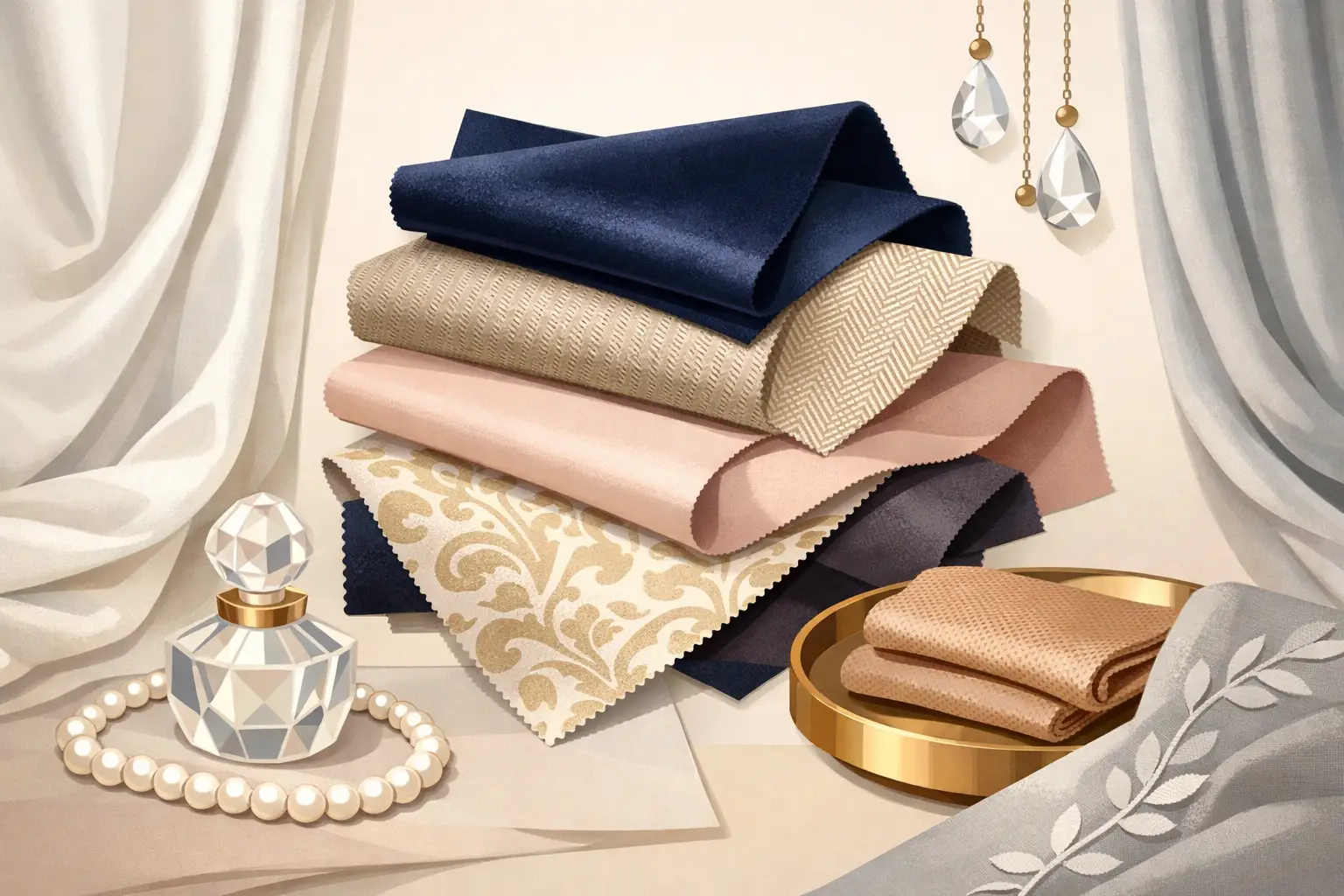
In luxury interiors, fabrication matters as much as colour. A beautifully woven linen has movement and character that a flatter cloth cannot imitate. Boucle, wool, silk blends and refined cottons each bring a different kind of depth. Even before the curtains are drawn, the texture contributes to the room’s emotional register.
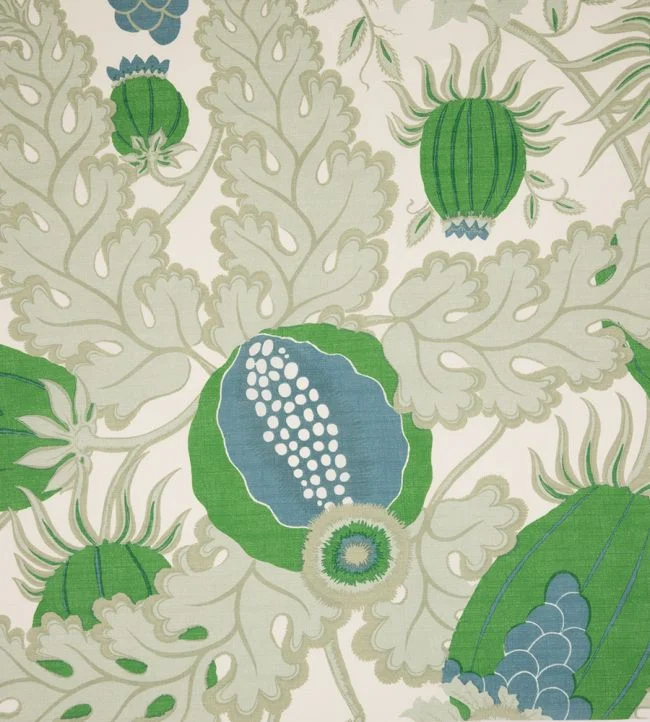
This is where made to measure window treatments become particularly expressive. A restrained contemporary scheme may call for softly filtered sheers in chalk, stone or warm ivory, allowing architecture and light to remain the focus. A more layered interior might welcome a tactile wool, a brushed velvet or an embroidered textile that introduces rhythm and intimacy. Neither is more correct. It depends on how the room is used, how much natural light it receives and what story the wider interior is telling.
Linings and interlinings are equally decisive. They affect drape, insulation, privacy and longevity. A curtain with proper body hangs more elegantly and tends to wear better over time. Blackout lining has obvious practical value, but not every room requires complete darkness. In some spaces, a dim-out option or a paired sheer and lined curtain offers a more nuanced result.
Then there are the finishing details. Hand sewn hems, considered heading styles, discreet hardware and decorative trimmings all shift the outcome. In a formal room, a pinch pleat with interlining may feel exactly right. In a pared back coastal property, a wave heading or relaxed Roman blind can feel more in keeping. Luxury lies not in excess, but in appropriateness.
Choosing the right made to measure window treatments for each room
One of the most common mistakes is treating every window in a home the same way. Consistency matters, but uniformity can feel blunt. Each room asks different things of light, privacy and atmosphere.
Living rooms and reception spaces
These rooms benefit from flexibility. During the day, sheer curtains or lightly lined drapery can temper sunlight while maintaining a sense of openness. By evening, fuller curtains add intimacy and acoustic softness. In larger rooms, generous stacks and wider widths often look more convincing than minimal coverage. The goal is a sense of ease, not meanness.
Bedrooms
Bedrooms ask for calm and control. Blackout is often desirable, particularly in city settings or homes with early morning exposure, but appearance should never suffer in the pursuit of function. A layered approach usually works best – perhaps a blackout blind paired with decorative curtains, or lined curtains with a sheer behind for daytime privacy. This allows the room to feel dressed at every hour.
Kitchens and informal spaces
Kitchens tend to favour practicality, but that need not mean visual compromise. Roman blinds are often a sensible choice, especially where there is less wall space for drapery. In breakfast rooms or informal family areas, a relaxed treatment in a washable linen blend can bring softness without formality.
Bathrooms and dressing areas
Privacy is essential, yet these spaces benefit from light. Depending on exposure, tailored blinds, moisture suitable fabrics or elegant sheers may all work. The right solution depends on ventilation, window placement and how decorative the room is intended to feel.
When bespoke is worth the investment
For those furnishing a significant home, the question is rarely whether bespoke costs more. It does. The more relevant question is what that additional investment returns over time.
Made to measure window treatments tend to sit better, perform better and age better. They are designed around exact measurements, room conditions and fabric behaviour. In many cases, they can also be adjusted, relined or remade in future, which gives them a longer life than many off the shelf alternatives. That matters in interiors built around enduring value rather than quick replacement.
There is also the visual return. In a penthouse with expansive glazing, poorly scaled curtains can make an expensive room feel unfinished. In a country house with deep set windows, an ill fitting blind can undermine the architecture. Bespoke treatments protect the design integrity of the wider scheme.
This is particularly true when working with exceptional textiles. Fine fabrics deserve thoughtful making. A superior cloth cut badly or installed carelessly loses much of its beauty. The converse is also true – a quiet fabric, handled well, can feel deeply luxurious.
The role of craftsmanship and specification
A successful window treatment is the result of many small decisions handled properly. Accurate site measuring is one. So is understanding how a fabric will behave once made, whether it will puddle lightly, break cleanly at the floor or require pattern matching across broad widths.
Hardware should be considered early, not selected at the last minute. The pole, track or concealed system changes the expression of the finished treatment. In some interiors, visible metalwork adds definition. In others, concealment is preferable so the fabric appears almost architectural.
Motorisation can also be worth considering, especially for tall glazing, multiple windows or homes where convenience and privacy need to work in tandem. It is not necessary everywhere, but in the right setting it adds discretion and comfort rather than spectacle.
Brands working at the highest level of interior curation, including Tobias Oliver Interiors, understand that window treatments are not isolated accessories. They sit in dialogue with upholstery, wallcoverings, lighting and furniture. A room feels coherent when these relationships are handled as part of a whole.
A more tailored approach to luxury living
The most successful interiors are rarely the loudest. They are the ones where everything feels composed, where light is flattering, privacy is intuitive and each material earns its place. Made to measure window treatments contribute quietly but decisively to that effect.
They can make a new build feel warmer and more nuanced. They can bring discipline to a period property without stripping it of character. They can soften strong architecture, enrich modest rooms and lend serenity to spaces that would otherwise feel exposed.
The real luxury is not simply that they are bespoke. It is that they are considered. They acknowledge how a room faces the sun, how a family lives, how a view should be framed, how evenings should feel. They turn practical necessity into something atmospheric and deeply personal.
If a room feels almost right but not quite complete, the answer is often at the window. Get that detail right, and the rest of the interior begins to settle into place.

15th July, 2026

13th July, 2026