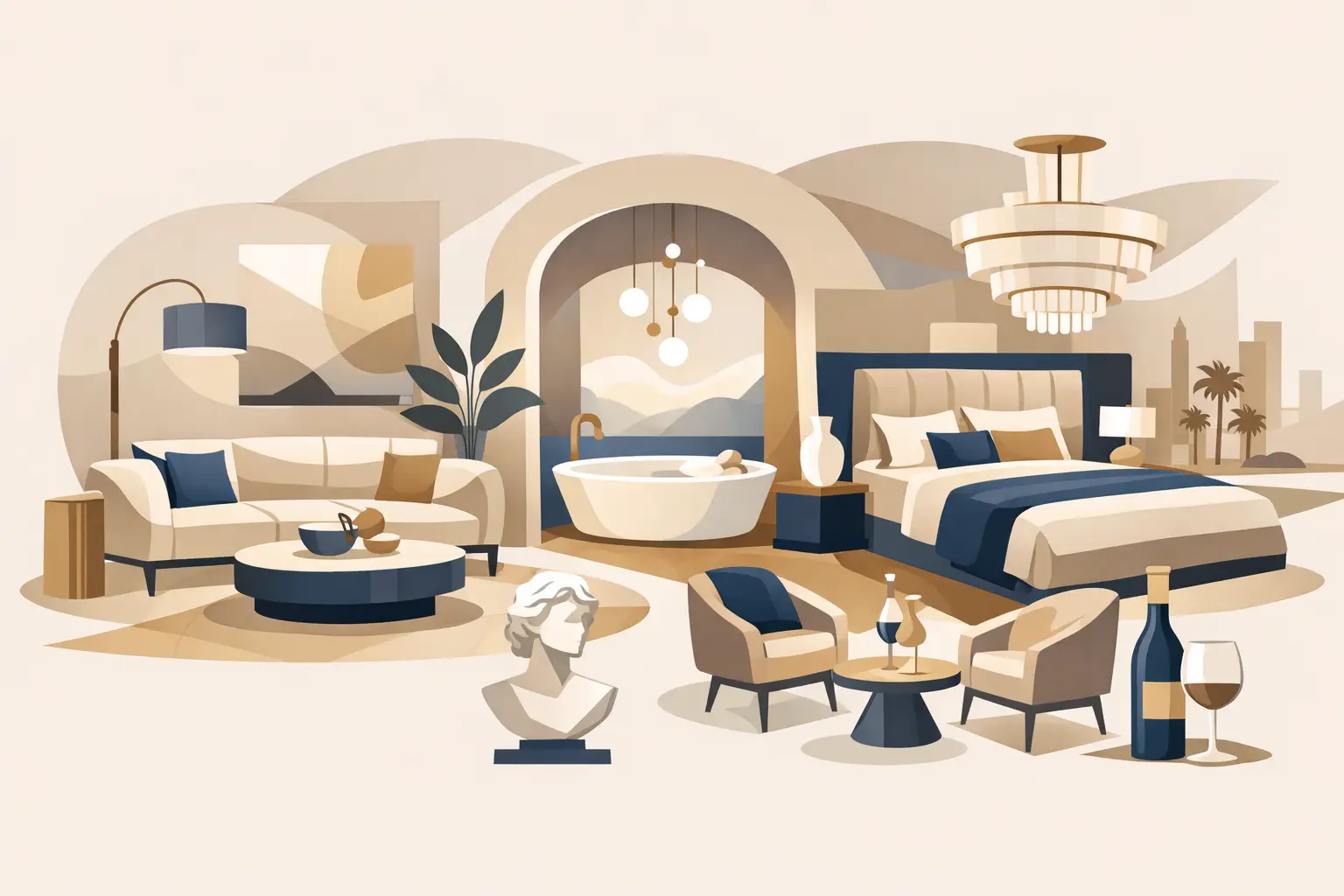




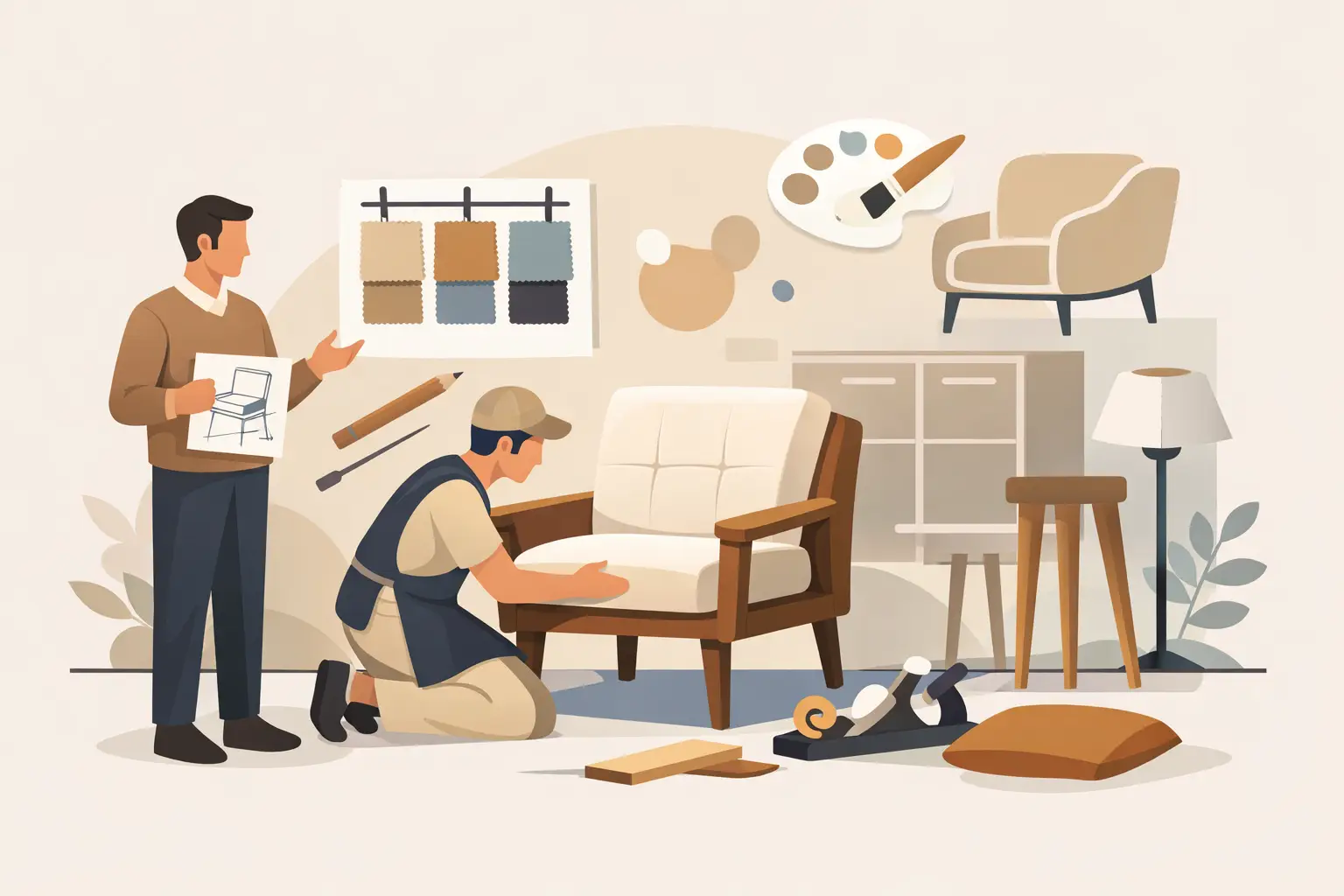
A room can be beautifully finished, filled with respected names and exceptional materials, and still feel as though one final note is missing. Often, that note is proportion. That is usually where the question arises – what is bespoke furniture, and why does it change the feel of a space so completely?
Bespoke furniture is furniture designed and made specifically for a particular client, room or purpose. Rather than choosing a standard piece in a fixed size, finish or configuration, bespoke design begins with the space, the way you live, and the atmosphere you want to create. It is furniture shaped around architecture, routine, aesthetic preference and, at its best, emotion.
This is not simply a matter of selecting a different fabric or requesting an alternative wood stain. True bespoke furniture is considered from the ground up. The dimensions, silhouette, materials, detailing and construction are developed with intent, so the finished piece feels integrated rather than merely placed.
What is bespoke furniture in practical terms?
In practical terms, bespoke furniture is a commissioned piece made to order for a specific brief. That brief may be highly technical – a dining table that fits a challenging footprint precisely, or fitted cabinetry designed around awkward ceiling lines. It may also be expressive – a sculptural console in smoked oak and bronze that anchors an entrance hall and establishes the tone of the home.
The point is not novelty for its own sake. The point is relevance. A bespoke piece responds to context in a way off-the-shelf furniture rarely can.
There are, however, degrees of customisation, and they are often confused. Made-to-order usually means choosing from an existing design with a limited range of finishes or upholstery options. Custom furniture may involve modifying standard dimensions or details. Bespoke sits at the most tailored end of the spectrum. It is typically designed specifically for you, often in collaboration with an interior designer, artisan maker or specialist supplier.
That distinction matters because expectations matter. If a client wants a piece that solves a complex spatial problem or expresses a very particular design language, bespoke is often the right route. If the requirement is simpler, a beautifully sourced ready-made design may be the more efficient choice.
Why bespoke furniture feels different
The difference is not only visual. It is experiential.
Well-designed bespoke furniture tends to feel calmer because it resolves tension within a room. A sideboard sits exactly where it should. A banquette follows the line of the wall without wasted inches. A desk suits the way its owner works rather than forcing adaptation. The result is subtle but powerful – the room feels more composed, and daily life feels easier within it.
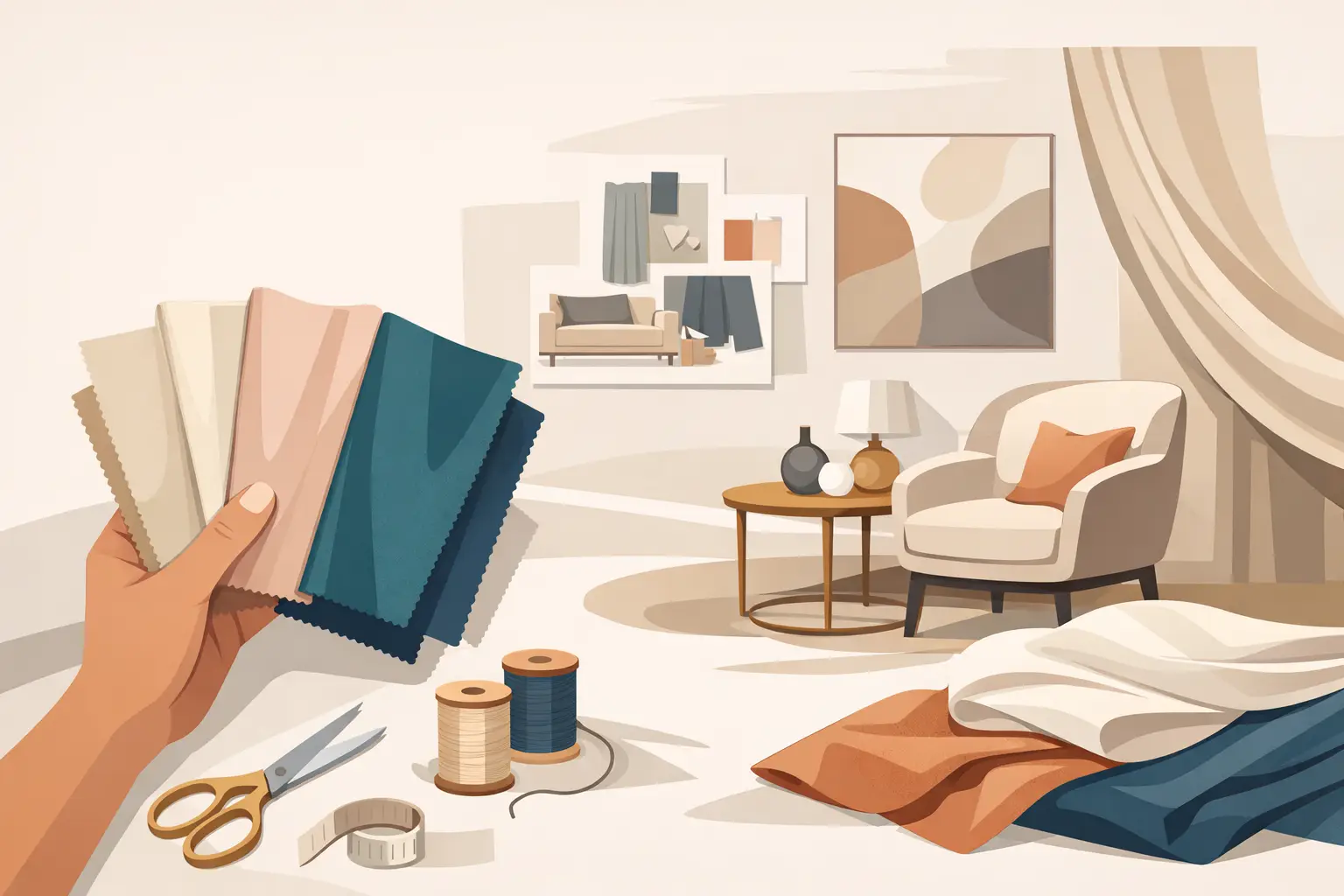
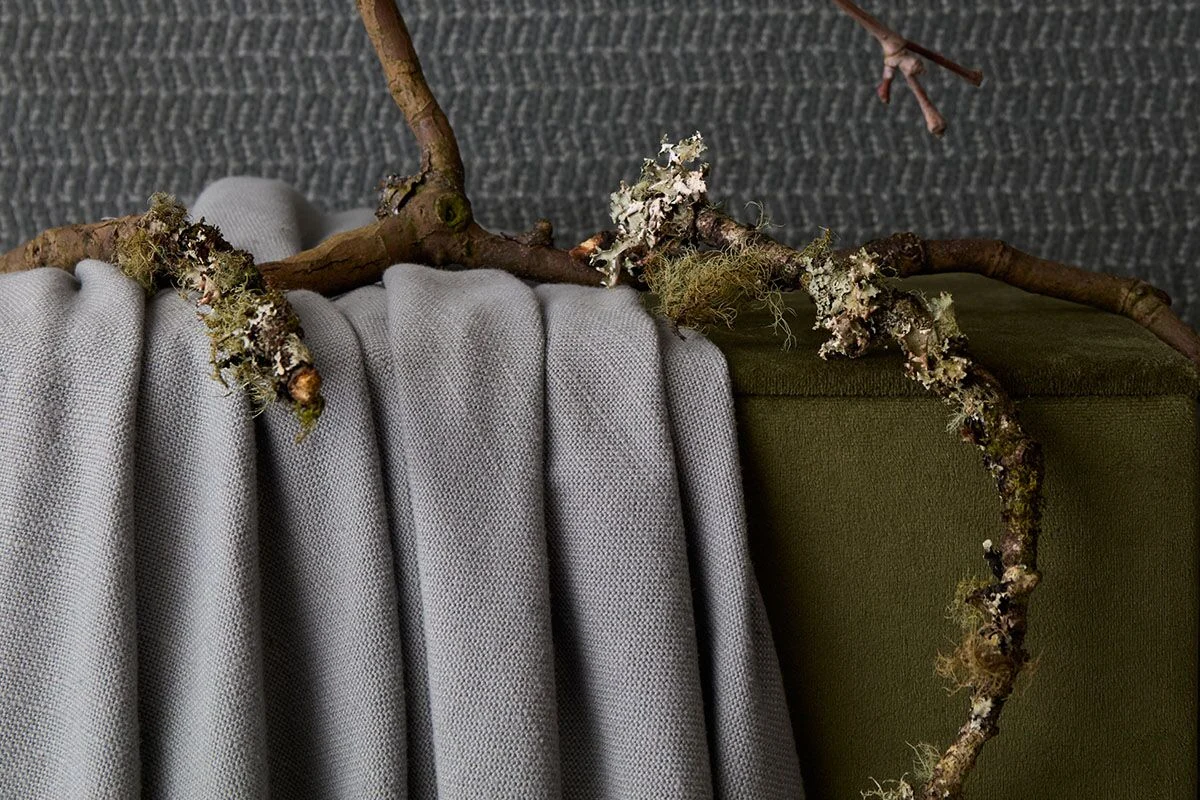
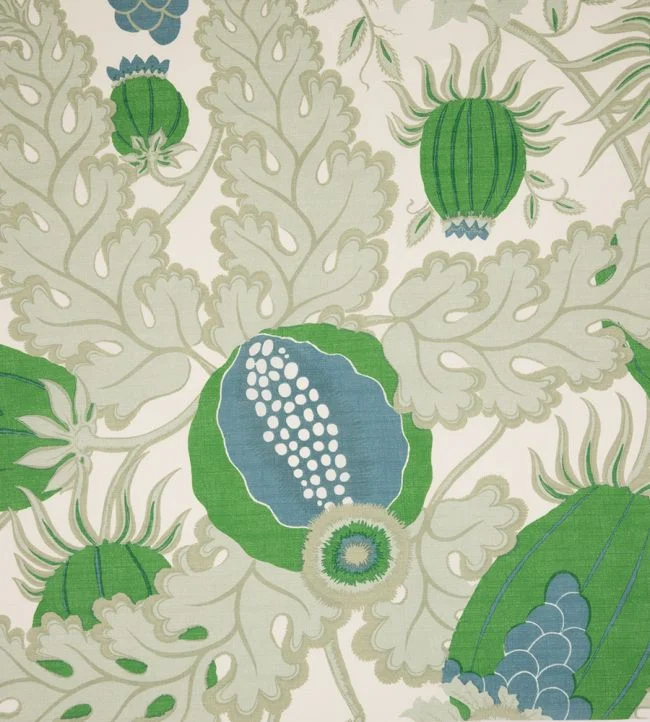
There is also a richness that comes from material selection. With bespoke furniture, materials are not chosen from habit. They are chosen for mood, performance and harmony with the wider scheme. Travertine may bring softness and architectural weight to a living space. Brushed metal can sharpen a contemporary profile. Natural oak introduces warmth, while lacquer or parchment can lend a more tailored, decorative finish.
Then there is craftsmanship. In luxury interiors, the value of bespoke lies partly in what is visible and partly in what is not. The visible elements are the joinery, the finishing, the stitching, the balance of scale. The less visible elements are the internal structure, the quality of construction, and the maker’s understanding of how a piece should age over time.
When bespoke furniture is worth considering
Bespoke furniture is most compelling when a home calls for something more exacting than a standard product can offer.
Architecturally distinct properties are an obvious example. Period houses often have irregular walls, unusual ceiling heights or heritage features that standard furniture does not respect gracefully. Contemporary homes can present a different challenge, with vast open-plan spaces that require pieces of real presence and proportion. In both cases, bespoke furniture can act as a bridge between architecture and decoration.
It is also particularly valuable when a room needs to perform in several ways at once. A library might require concealed storage, display space and a seating element within one coherent design. A principal bedroom may need bedside pieces, an upholstered bench and a dressing table that all speak the same language without looking formulaic. In these situations, bespoke design creates continuity.
There are emotional reasons too. Some clients want a home that feels unmistakably theirs – not assembled from recognisable pieces, however beautiful those pieces may be. Bespoke furniture offers that sense of authorship. It allows an interior to tell a more personal story, quietly and with confidence.
The process behind bespoke design
Luxury should never feel improvised, and the bespoke process is defined by precision.
It usually begins with a brief. This includes dimensions, functional requirements, visual references, preferred materials and the intended mood of the room. Often, the most successful briefs go beyond practical needs and consider how the piece should feel – grounded, elegant, architectural, relaxed, sculptural.
From there, drawings or visual concepts are developed. Proportions are refined, materials are reviewed, and the finer points begin to matter: edge profiles, leg spacing, joinery lines, hardware, finishes and upholstery details. This is where expertise becomes invaluable. A well-proportioned piece is not simply one that fits. It is one that carries itself correctly within the room.
Production follows once the design is approved. Depending on the piece, this may involve cabinet makers, metalworkers, upholsterers, stone specialists or decorative finishers. Lead times are longer than for ready-made furniture, which is one of the trade-offs. But that time is not dead time. It is the period in which quality is built.
For design-led homes, bespoke furniture also works best when considered early. Waiting until the end of a project can limit what is possible. When integrated into the design scheme from the outset, it can shape circulation, sightlines and the overall balance of the interior.
What bespoke furniture is not
There is a tendency to assume that bespoke automatically means extravagant, overly ornate or impractical. It does not.
Some of the most sophisticated bespoke pieces are remarkably restrained. A perfectly scaled oak dining table with beautifully resolved detailing may read as effortless, but that restraint is often the result of considerable design discipline. Bespoke is not about adding more. It is about making deliberate choices.
It is also not always the most sensible answer. If a room can be resolved with a ready-made piece of exceptional quality, there is no reason to force a bespoke commission. In fact, the most refined interiors often combine bespoke elements with carefully curated furniture from established design houses. That balance can create a layered, collected feel rather than a space that appears over-designed.
The investment question
Bespoke furniture usually costs more than standard alternatives, and that should be acknowledged plainly. You are paying for design time, specialist labour, tailored materials and one-off production. The question is not whether it is cheaper – it rarely is. The question is whether the value justifies the investment.
For many clients, it does. A bespoke piece can solve a problem cleanly, avoid expensive compromise, and contribute lasting distinction to a home. It can also endure far beyond trend cycles because it was never designed to follow them.
The strongest bespoke furniture has longevity in both construction and style. It feels specific to the home and the client, yet not captive to a passing fashion. That is where enduring value lies.
For those creating layered, elevated interiors, the decision often comes down to intention. If a piece must fit perfectly, work hard, and carry aesthetic weight, bespoke is often the clearest route. If the need is more straightforward, a beautifully sourced existing design may be entirely right. At Tobias Oliver Interiors, that distinction matters, because true luxury is not about insisting on one approach – it is about choosing the most intelligent one.
A more thoughtful way to furnish a home
So, what is bespoke furniture really? It is design with a specific point of view. It is furniture created not for an abstract market, but for a particular life and a particular setting.
When done well, it does more than fill a room. It settles it. It sharpens the architecture, supports the way you live, and brings a sense of quiet authority that standard pieces seldom achieve. And for homes designed to evoke emotion as much as offer comfort, that level of consideration is rarely incidental – it is often what makes the space memorable.

30th May, 2026

29th May, 2026