





A well-designed home is rarely defined by expense alone. The rooms that stay with you – the ones that feel composed, intimate and deeply assured – are shaped by judgement, restraint and a clear understanding of how people want to live. That is where luxury interior design services earn their place. They do far more than specify attractive finishes. At their best, they translate architecture, lifestyle and personal taste into a home with presence.
For clients investing in a primary residence, a country house or a flat in the city, the question is not simply whether to hire a designer. It is what level of thinking, access and execution is needed to create something genuinely individual. In the luxury space, the answer lies in a service that is both highly creative and exacting in detail.
What luxury interior design services really include
There is a persistent misconception that luxury design is mostly about decoration. Beautiful fabrics, exceptional lighting and statement furniture certainly matter, but they are only part of the picture. A true high-end service begins much earlier and reaches much further.
It often starts with the bones of the home – space planning, architectural intent, circulation, proportion and mood. From there, the work moves into cabinetry design, joinery detailing, bathroom and kitchen concepts, material palettes, furniture layouts, lighting schemes, window treatments, art placement and styling. The project may also include custom furniture, antique sourcing, specialist makers, decorative finishes and the orchestration of multiple trades.
What distinguishes a luxury approach is not the length of the specification sheet. It is the coherence behind it. Every decision should belong to a larger narrative, rather than appearing as a collection of expensive objects assembled in one place.
Why affluent homeowners choose luxury interior design services
Homes at this level need to perform on several fronts at once. They should feel elegant, certainly, but also easy to inhabit. They need to support entertaining without becoming theatrical, and to offer comfort without sacrificing polish. That balance is harder to achieve than many expect.
Affluent clients are often time-poor and design-aware. They know quality when they see it, but they do not necessarily want to spend months coordinating suppliers, reviewing technical drawings or chasing lead times. They want confidence that the house will come together beautifully and properly, without avoidable compromise.
Luxury interior design services provide that confidence through expertise and curation. They narrow the field, sharpen decisions and prevent costly missteps. More importantly, they create interiors that feel personal rather than formulaic. A grand house that lacks identity can feel oddly anonymous. A well-considered one reflects the owner’s habits, references, travels and values in a way that feels natural rather than staged.
That personal layer is often where the emotional value lies. The right interior can soften a large property, give a period home renewed relevance, or bring warmth and definition to a newly built space that might otherwise feel sterile.
The difference between premium and truly bespoke
Not every high-priced interior is bespoke, and not every premium service offers meaningful originality. This distinction matters.
A premium design service may deliver a polished result using established suppliers and familiar formulas. For some clients, that is entirely appropriate. A truly bespoke service, however, goes further. It develops solutions around the architecture of the property and the specific lives of the people in it. It asks better questions. How formal should the drawing room really be? Does the family gather in the kitchen or retreat to separate spaces? Should the principal bedroom feel cocooning and quiet, or tailored and hotel-like? Where should practical storage disappear so the rooms remain calm?
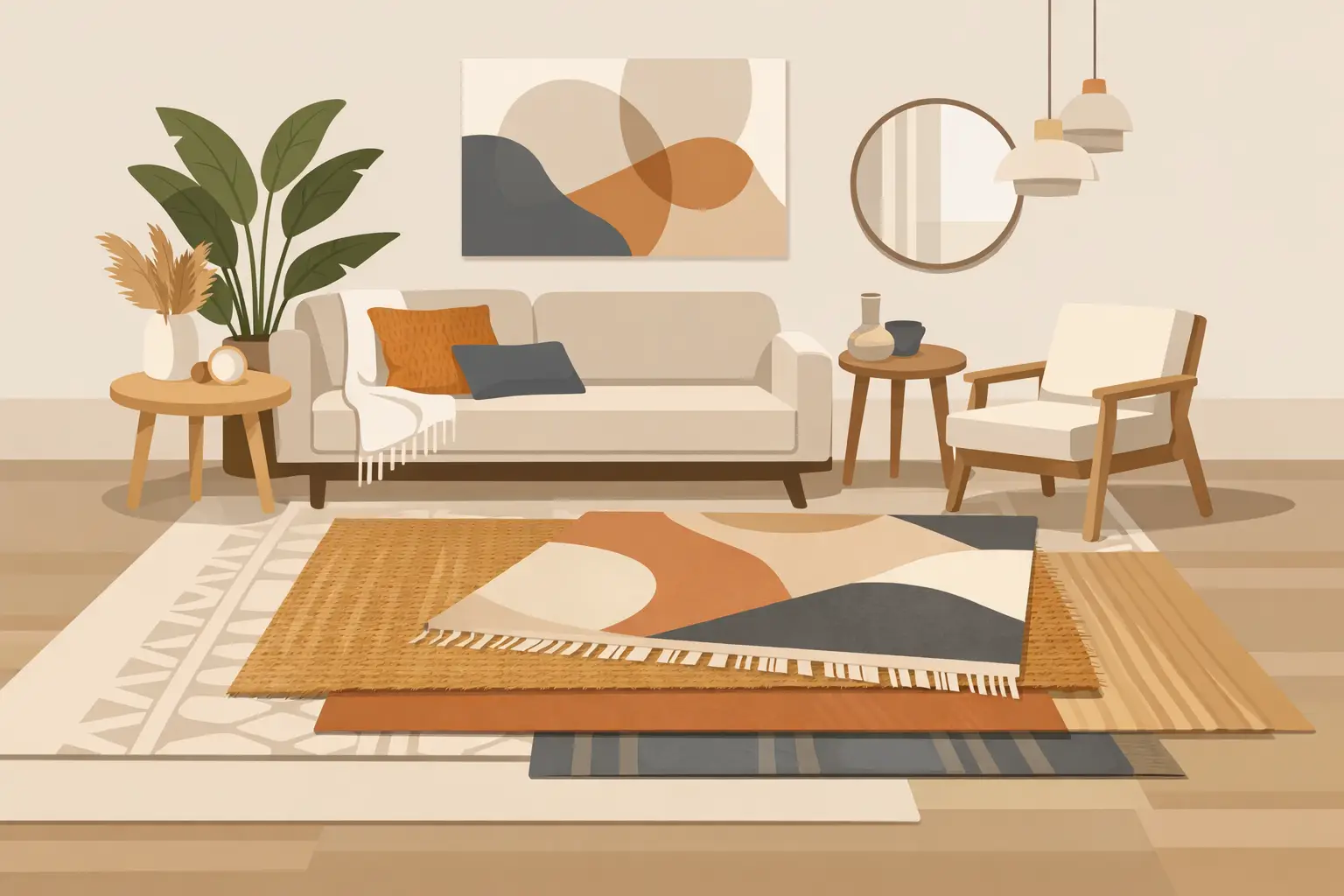
The answers shape everything from joinery depths to fabric weight. They also influence what must be made rather than bought. Bespoke upholstery, custom rugs, one-off cabinetry and commissioned pieces often bring the richest results because they resolve a room precisely. They can correct awkward scale, echo architectural lines and introduce materials in a way that off-the-shelf sourcing rarely can.
There is, of course, a trade-off. Bespoke work usually requires more design time, more technical coordination and greater patience. It rewards clients who care about distinction and longevity more than speed.
Craftsmanship, sourcing and the value of access
One of the less visible advantages of luxury interior design services is access – not simply to products, but to people. Specialist upholsterers, cabinet makers, decorative artists, stone yards, lighting ateliers and textile houses all contribute to the final quality of a home. Knowing who to commission, when to involve them and how to guide their work is a form of expertise in itself.
This is where the difference between retail shopping and designer-led sourcing becomes apparent. A designer is not merely selecting what looks attractive in isolation. They are assessing finish, scale, provenance, durability, lead time and how each item will sit within the larger composition.
The same applies to craftsmanship. Fine detailing can transform a room quietly. The shadow gap around a cabinet, the exact line of a skirted sofa, the tone of an aged brass fitting, the fall of a linen curtain – these are small decisions with disproportionate visual impact. They are also the decisions that clients tend to notice most once they are living in the space.
Studios such as Tobias Oliver Interiors understand that luxury is rarely loud. It is often expressed through precision, texture and calm confidence.
A luxury interior should tell a story – but not a scripted one
Storytelling is frequently mentioned in design, sometimes too loosely. In refined residential interiors, it should not mean forcing a concept onto a home or creating rooms that feel overly themed. It should mean drawing together references, memories and aspirations so that the finished space has emotional continuity.
A London townhouse may call for a different language from a restored farmhouse or a coastal retreat, yet all three can feel equally luxurious if the story is clear. In one home, that might mean tailoring a contemporary envelope with antique pieces and richly layered textiles. In another, it may be about pared-back joinery, sculptural lighting and a quieter palette that allows art and craftsmanship to take focus.
The point is not visual complexity. The point is resonance. When a home reflects its owners with sophistication, it feels settled far more quickly.
Sustainability in luxury design is now a mark of discernment
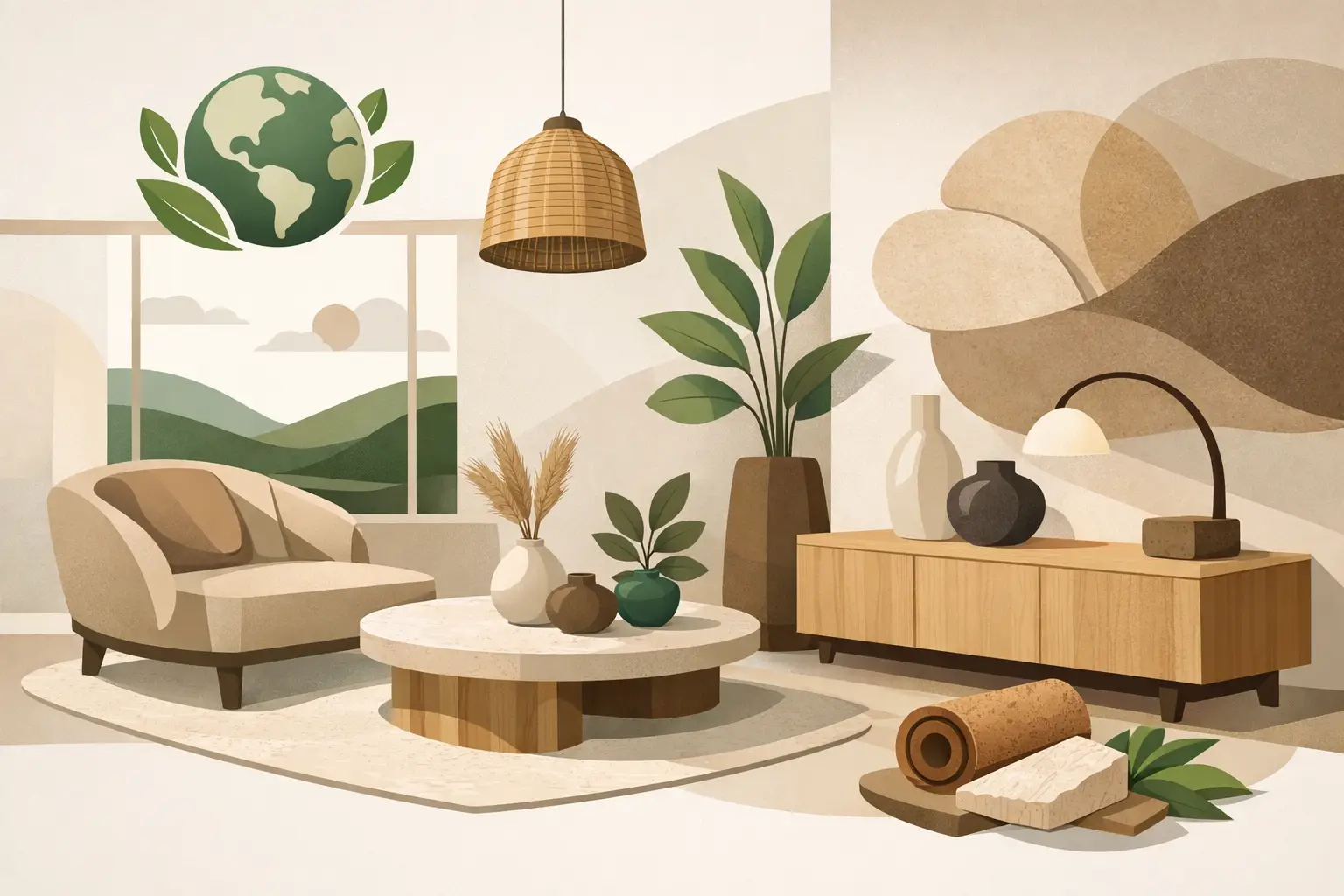
For discerning clients, sustainability is no longer an optional talking point. It has become part of what defines quality. That does not mean every project must be rustic, reclaimed or visibly eco-conscious. In luxury interiors, sustainability is more often expressed through longevity, responsible sourcing and fewer but better decisions.
Designing for permanence is one of the most elegant responses to waste. A bespoke sofa built properly and upholstered in a timeless cloth is far more sustainable than replacing trend-led furniture every few years. The same is true of custom cabinetry, durable natural materials and vintage or antique pieces that bring character without new manufacturing.
There are practical limits, of course. Some projects demand tighter timelines, and certain specialist materials remain difficult to source sustainably at the required standard. Good designers are honest about those tensions. The aim is thoughtful improvement, not performative purity.
How the process should feel
A luxury project should feel guided, not overwhelming. That does not mean every stage is effortless. Construction constraints, lead times and revisions are part of serious design work. But the overall experience should be measured, collaborative and clear.
Clients should feel listened to, but also intelligently challenged. The strongest designers do not simply agree with every instinct. They refine it. They help clients distinguish between what they admire in an image and what will actually suit the way they live. They protect the integrity of the scheme while remaining responsive to personal priorities.
This relationship matters because luxury interior design services are not transactional. They involve trust. The designer is shaping the backdrop to family life, private rituals, celebration, rest and return. That level of involvement calls for discretion, sensitivity and authority in equal measure.
Choosing a studio that matches your ambition
When selecting a luxury interior designer, visual style is only one part of the decision. Equally important is whether the studio can translate your ambition into a coherent, buildable and highly resolved result.
Look for evidence of range without inconsistency. A capable studio should adapt to different architectures and clients while retaining a recognisable standard of refinement. Ask how they approach bespoke design, procurement and installation. Pay attention to how they speak about function. The most impressive interiors are not only photographed well – they live well.
A home of substance deserves more than decoration. It deserves design intelligence, craftsmanship and a point of view strong enough to shape experiences and subtle enough to let the owners remain at the centre of the story. When that balance is right, luxury does not feel excessive. It feels inevitable.

27th June, 2026

26th June, 2026