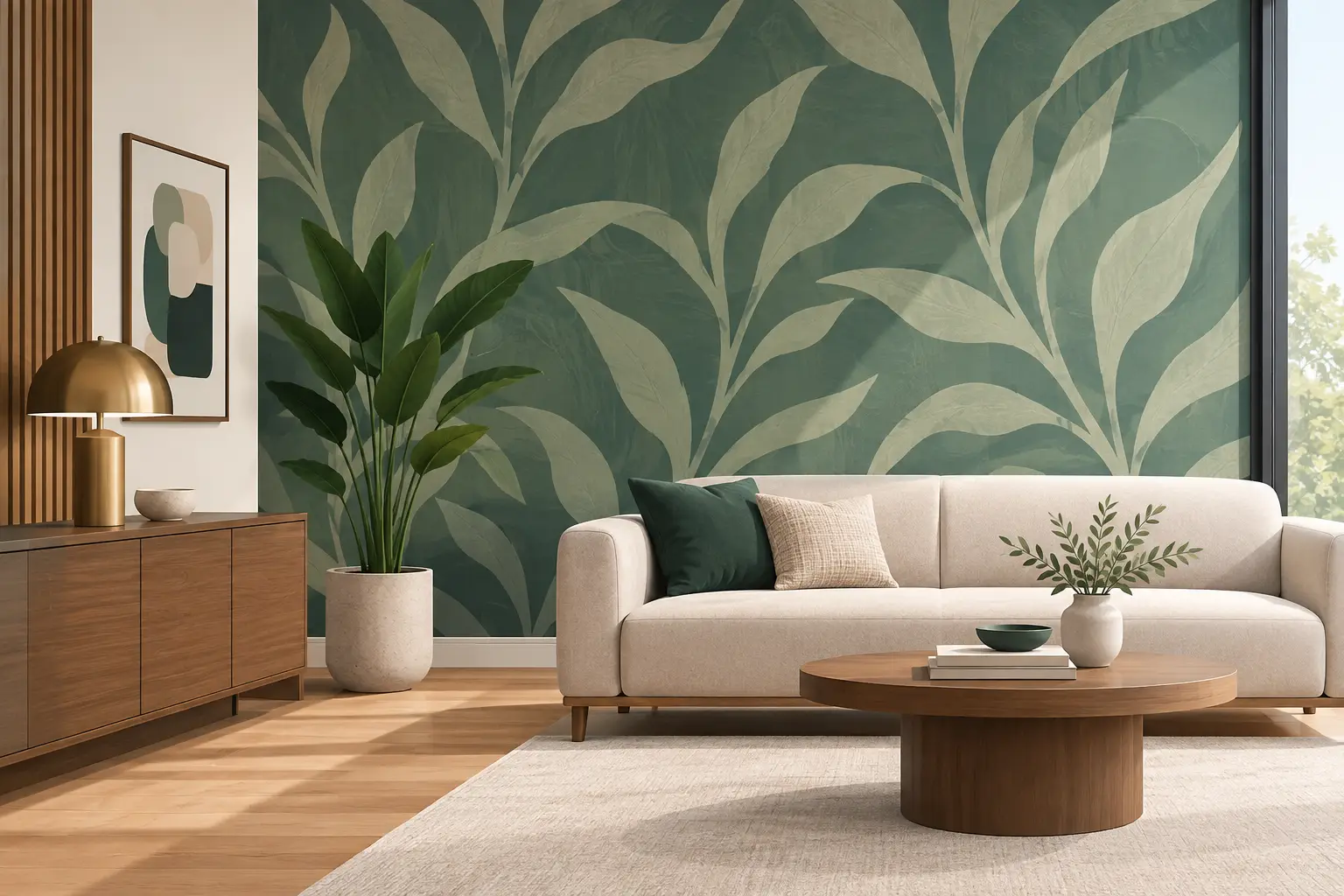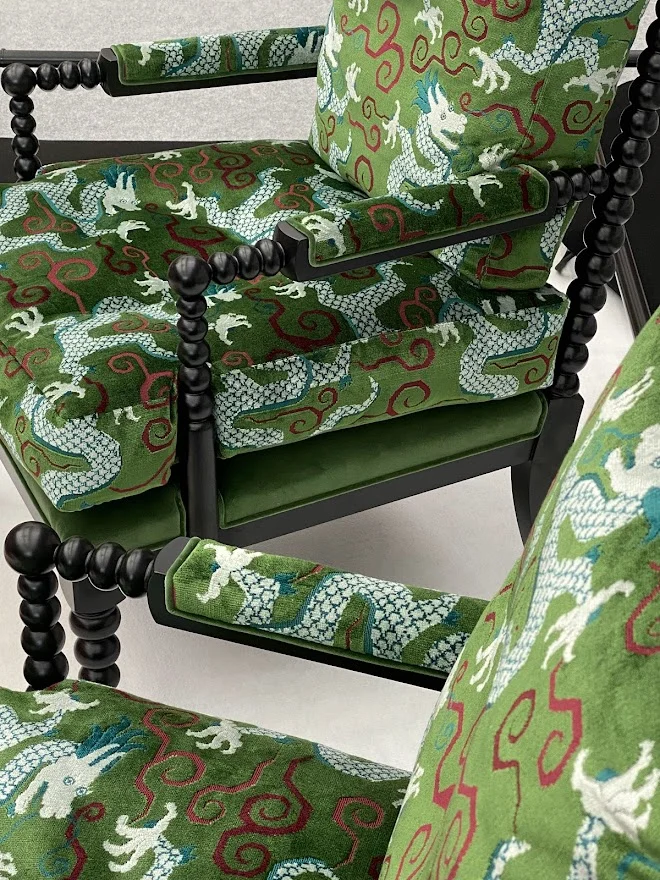
A layered room rarely announces itself through one heroic piece. More often, it is the quiet conversation between textures – boucle against linen, bronze beside oak, a matte wallcovering offset by a soft lustre underfoot. That is precisely why choosing the best rugs for layered interiors matters so much. A rug in these schemes is not simply a finishing touch. It anchors proportion, softens architecture and gives the entire room its emotional weight.
In more resolved interiors, rugs are rarely treated as isolated purchases. They are chosen in relation to upholstery, joinery, light, artwork and circulation. Layering, when done well, feels instinctive rather than decorated. The rug should support that feeling, not compete with it.
What makes the best rugs for layered interiors?
The strongest layered schemes rely on variation rather than visual noise. That means the best rugs are usually those with depth of texture, nuanced colour and an ability to sit comfortably with other refined surfaces. Flat pattern can work, but flatness in every sense rarely does. A room with linen drapery, plastered walls and brushed timber furniture benefits from a rug that introduces another register of tactility.
This is where material becomes more important than trend. Wool remains the most reliable foundation because it has body, resilience and a softness that does not feel precious. It absorbs colour beautifully, whether in chalky stone tones or deeper mineral shades, and it performs well in drawing rooms, bedrooms and family spaces alike.
Jute and sisal have a different role. They bring a drier, more architectural texture and are often excellent as a base layer beneath something softer and more decorative. In a coastal villa or a pared-back townhouse, they can create exactly the kind of understated structure that allows finer pieces to sing. The trade-off is comfort. They are less forgiving underfoot and can feel too spare if the rest of the room is already restrained.
Silk blends, viscose and other lustrous fibres bring light into a scheme in a very different way. They catch shadow, shift in tone throughout the day and can lend a room a deeply polished finish. Used thoughtfully, they are exceptional in formal spaces or principal bedrooms. In hard-working family rooms, however, they may ask too much in terms of upkeep.
The materials that layer beautifully
If the room is intended to feel grounded, generous and easy, wool-on-wool layering often gives the most sophisticated result. That might mean a hand-knotted wool rug over timber flooring, then a smaller patterned wool piece placed beneath a coffee table or bed end. The effect is tonal rather than busy, and that tonal approach is often what distinguishes luxury interiors from trend-led styling.
Natural fibre bases with a finer top rug are also highly effective. A large sisal or jute rug can define the footprint of a seating area, while a smaller wool or silk blend rug introduces character and softness. This combination works particularly well in open-plan interiors where zoning needs to feel elegant rather than obvious.
Sheared piles and cut-and-loop constructions deserve attention too. They create subtle relief without relying on heavy motif. In rooms with sculptural lighting, curved upholstery or statement stone, these quieter rug finishes help maintain balance. They contribute richness, but in a restrained voice.
Hide and patchwork leather rugs can have a place, particularly in masculine studies or more contemporary penthouse settings, yet they require caution in layered interiors. Their graphic quality can dominate quickly, and they offer less warmth than woven fibres. If the room already contains polished metal, smoked glass or dramatic art, a softer textile base often produces a more enduring atmosphere.
Pattern, colour and the art of restraint
Layered interiors are not pattern-averse. They are simply more selective. The most compelling rooms often combine several patterns, but they vary the scale and intensity. Rugs should be part of that orchestration.
For many projects, the best starting point is a rug with a low-contrast pattern or an aged, washed finish. These designs bring movement without fixing the eye too firmly in one place. They support a room where the interest may also come from embroidered cushions, tailored trimmings, figured timber or artisanal wallcoverings.
A bolder rug can be exactly right, especially in a room with quieter upholstery and generous architecture. But it should feel intentional, not like a late attempt to inject personality. If a rug carries a strong geometric or an expressive decorative motif, let some surrounding elements recede. That may mean plainer curtains, simpler occasional chairs or a calmer palette in the adjacent textiles.
Colour should rarely be considered in isolation. In layered interiors, a rug often works best when it repeats the room’s undertones rather than its obvious headline shades. A room that appears neutral may actually hold notes of parchment, tobacco, olive or blue-grey. Picking up those subtler tones creates cohesion that feels collected rather than matched.
Scale is where layered rooms succeed or fail
Even beautiful rugs look unconvincing when the proportions are wrong. This is particularly true in layered interiors, where there are already several visual elements in conversation.
A rug should usually be large enough to acknowledge the architecture and the furniture grouping. In a sitting room, that often means at least the front legs of all principal seating pieces sit on the rug, if not the whole arrangement. Undersized rugs have a habit of making expensive rooms feel pieced together.
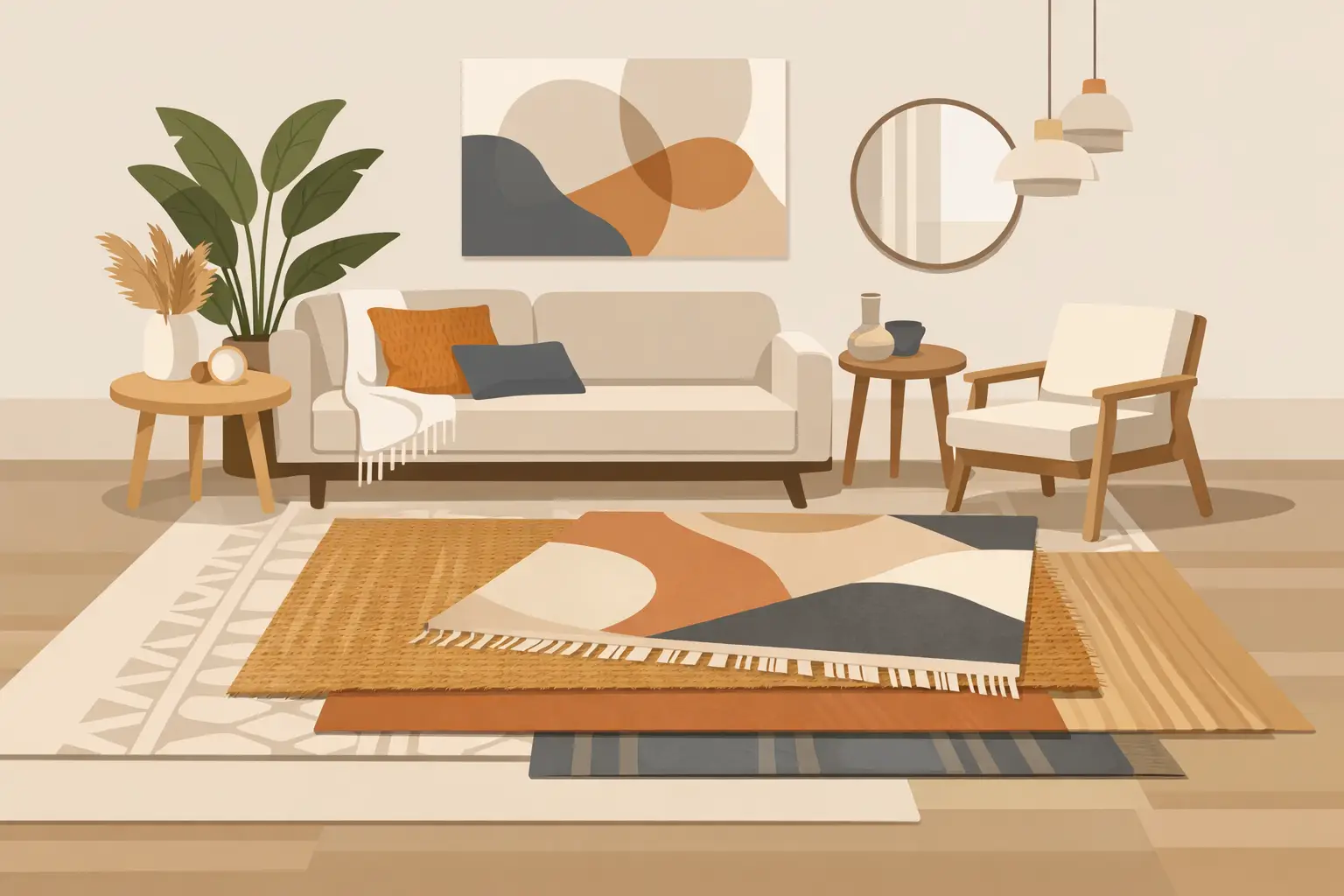
Layering one rug over another also demands confidence with scale. The base layer should feel generous and architectural. The top layer should look deliberate, not accidental – large enough to contribute, small enough to reveal the edge of the lower rug. If both rugs are too similar in size, the result tends to feel unresolved.
Bedrooms benefit from the same discipline. A rug should extend sufficiently beyond the bed to provide softness where it is actually experienced. A narrow strip at the sides may tick a practical box, but it does little for the visual calm of the room. Generosity underfoot reads as luxury because it changes how a space is lived in, not just how it photographs.
How to layer rugs without making a room feel crowded
The easiest mistake is adding contrast at every level. A successful layered interior does not need a rough rug, a patterned sofa, a vivid trim, dramatic wallpaper and highly figured marble all competing for attention. One or two elements can lead. The rest should support.
Start with the room’s strongest statement. If it is the lighting, the rug can be quieter. If the upholstery is deeply textured and tailored, the rug might take on a subtler tonal pattern. If the floor is vast and the architecture minimal, a more expressive rug may be what gives the space its pulse.
Texture should move from coarse to fine with intention. A natural fibre base beneath a denser wool rug often works because the contrast feels tactile rather than jarring. Similarly, a softly lustrous rug in a room full of matte materials can be exquisite. What tends not to work is layering finishes that are all equally assertive.
Practicality also deserves honesty. Hallways, family rooms and homes with children or pets need rugs that can tolerate real life. The finest layered interior is still a lived interior. In these spaces, tightly woven wool, forgiving pattern and mid-tone colouration are usually wiser than pale silk or open-loop natural fibres that catch and wear easily.
Choosing the right rug for different interior moods
In a contemporary penthouse, the best rugs for layered interiors are often tonal, sculptural and materially rich rather than overtly ornate. Think hand-tufted wool, cut-pile abstract designs, subtle relief and palettes drawn from limestone, ash, tobacco and bronze. These choices echo architectural finishes and allow statement furniture to retain clarity.
In a country house or farmhouse setting, layered rugs can lean more relaxed, but not less considered. A broad natural base, softened with a faded patterned wool rug, creates warmth and informality while still feeling polished. Here, irregularity can be charming. The room should feel evolved over time, not rigidly composed.
For boutique hospitality-inspired homes, where mood and atmosphere are paramount, lustre becomes more persuasive. Silk blends, mohair-adjacent softness and deeper, more enveloping tones can make a sitting room or principal suite feel cinematic. The discipline lies in balancing that glamour with enough matte texture elsewhere to keep it grounded.
At Tobias Oliver Interiors, this is often where curation matters most – selecting rugs not as stand-alone statements, but as part of a complete material story shaped by furniture, lighting, textiles and the way a room is intended to feel.
The best layered interiors are never built by formula. They are composed through proportion, tactility and a clear understanding of what deserves emphasis. Choose rugs with that same sensibility, and the room begins to hold itself with quiet assurance.

15th September, 2026

13th September, 2026