





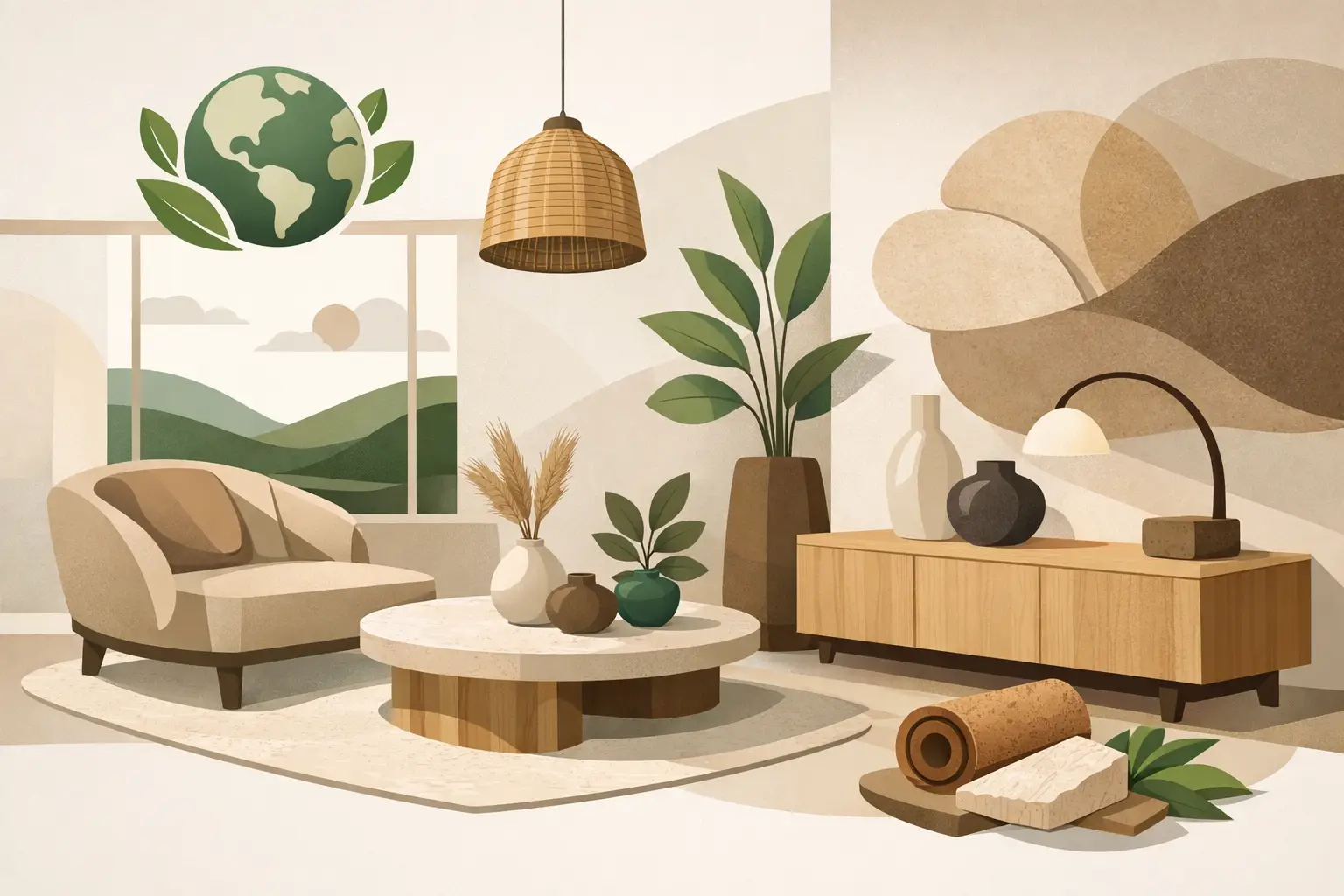
A room lined in beautifully woven linen, softly veined stone and timber with real depth does not announce its virtue. It simply feels right. That is why sustainable materials in luxury interiors have become far more than a passing preference among discerning homeowners and design professionals. They answer a deeper brief – to create spaces of beauty, permanence and integrity.
For the luxury market, sustainability is not about compromise or worthy gestures. It is about discernment. The most successful schemes are those where provenance, craftsmanship and longevity are considered as carefully as colour, scale and proportion. When approached thoughtfully, sustainable choices can heighten the sensory quality of an interior rather than diminish it.
Why sustainable materials in luxury interiors matter
Luxury has long been associated with rarity, exceptional finish and enduring appeal. Sustainability asks sharper questions about how those qualities are achieved. Where was the material sourced? How was it processed? Will it age gracefully? Can it be repaired, reupholstered or passed on rather than replaced?
These questions matter because true luxury has always had a relationship with time. A hand-finished oak dining table that gains character over decades carries more value than a fashionable piece designed for quick obsolescence. A wool bouclé woven with care, or a wallcovering made using low-impact processes, can offer both tactile richness and a more considered environmental profile.
There is also a cultural shift at play. Clients commissioning premium interiors increasingly want their homes to tell a more intelligent story. They still expect refinement, comfort and distinction, but they are less interested in excess for its own sake. They want materials that evoke emotion while reflecting a modern understanding of responsibility.
The materials redefining modern luxury
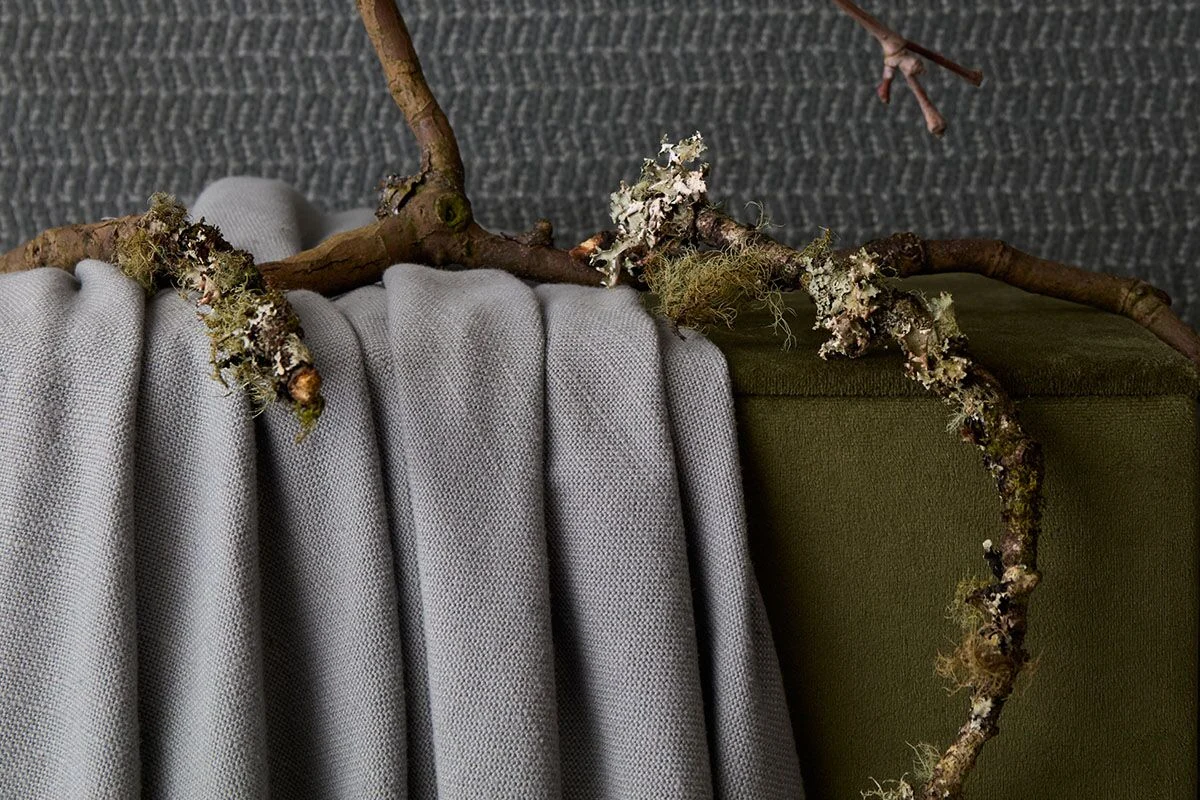
Natural fibres remain central to this conversation, particularly where they are traceable, responsibly produced and made to last. Linen, wool, hemp, cashmere and mohair all bring complexity of texture that synthetic alternatives struggle to replicate. In upholstery, drapery and soft furnishings, these materials introduce warmth and nuance while often offering better longevity and repairability.
That said, natural does not automatically mean sustainable. Water use, chemical treatments, dyeing methods and transport distances all affect the overall picture. A superbly made textile from a specialist mill may justify its place more convincingly than a cheaper fabric marketed as eco-conscious but destined to deteriorate quickly.
Timber is another cornerstone. Responsibly managed woodlands and certified sources matter, but so does the way timber is used. Solid oak, walnut or ash furniture with excellent joinery will almost always outlast veneered fast furniture. Reclaimed timber can be especially compelling in the right setting, adding patina and narrative, though it requires careful specification in more refined contemporary schemes. The finish is critical. If reclaimed wood is overworked until it loses its honesty, the effect can feel mannered rather than elegant.
Stone deserves similar scrutiny. Marble, travertine and limestone are often treated as inherently luxurious, yet their environmental impact depends on extraction methods, transport and fabrication. One approach is not to reject natural stone, but to use it with precision. A sculptural side table, a single statement vanity or a beautifully detailed fireplace can carry far greater design weight than covering every available surface. In luxury interiors, restraint often feels more sophisticated than abundance.
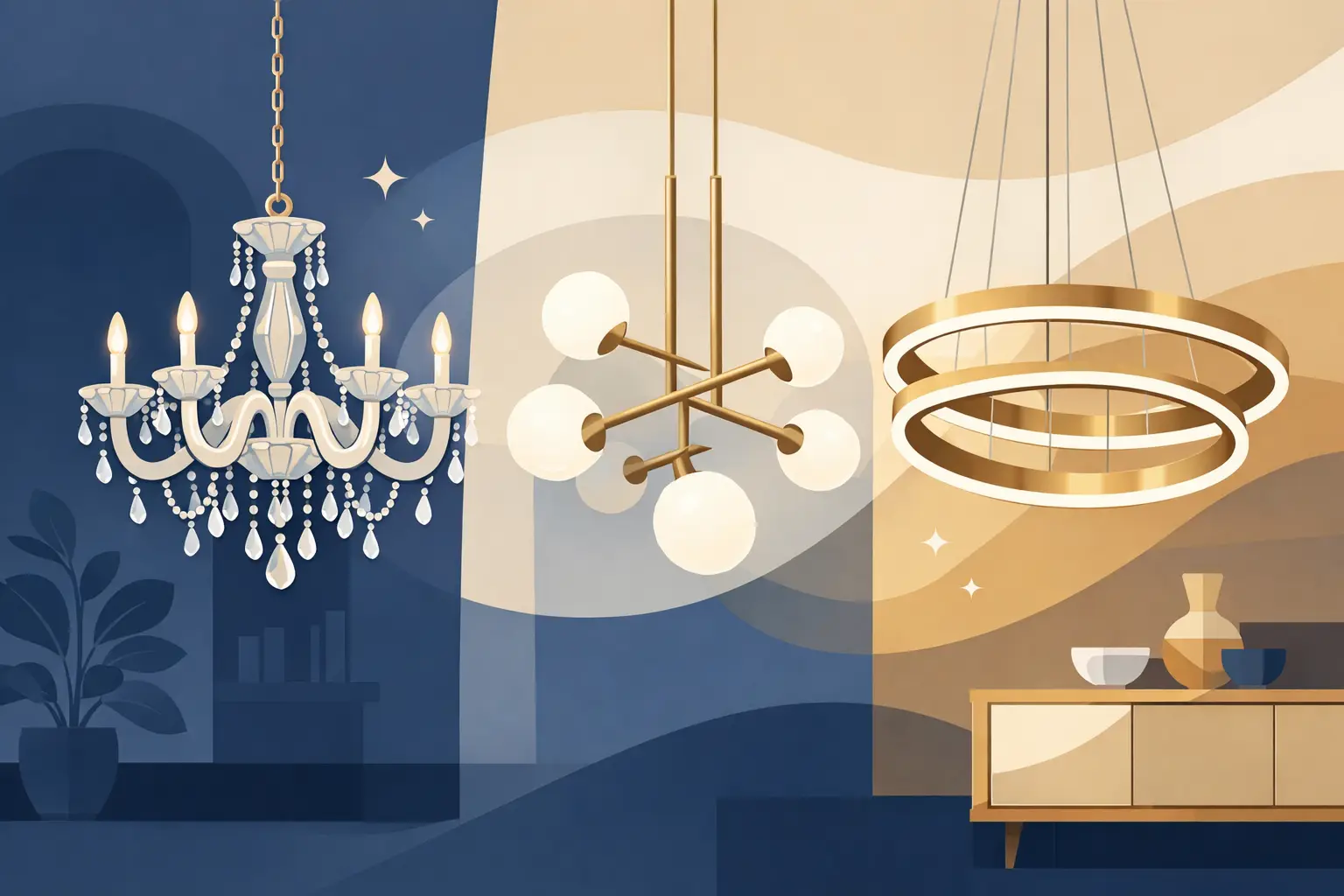
Metals also play a role. Bronze, brass and steel can be recycled repeatedly without losing quality, making them relevant to more sustainable specifications. Their longevity is part of their appeal. A brushed brass light fitting or patinated bronze detail can age into a space gracefully, gathering character rather than looking tired.
Craftsmanship over constant replacement
One of the most overlooked aspects of sustainability in high-end interiors is the value of craftsmanship. The less a client needs to replace, the lower the long-term material burden. This is where bespoke upholstery, made-to-order furniture and artisan finishes become especially meaningful.
A well-made sofa with a strong internal frame can be reupholstered years later. A tailored headboard can be refreshed with a new textile while keeping the original structure. Decorative trimmings, passementerie and handcrafted details can update a room without requiring a complete redesign. These are not merely aesthetic decisions. They are practical strategies for extending the life of an interior while preserving its distinct identity.
This is also why timelessness matters. Timeless does not mean bland or safe. It means selecting forms, finishes and palettes with enough depth to remain compelling beyond a brief trend cycle. A room with architectural lighting, elegant upholstery and materials chosen for their integrity will continue to reward attention long after novelty fades.
What luxury clients should look for
For private clients and developers alike, material selection now benefits from a more forensic level of enquiry. Provenance is a starting point, but not the whole story. It helps to ask whether the maker is transparent about sourcing, whether the production process values skilled labour, and whether the product is designed to endure physically and stylistically.
Texture is another clue. Sustainable luxury should still feel luxurious. The hand of a fabric, the density of a weave, the softness of a matte finish, the depth in a hand-applied glaze – these qualities create the emotional pull of a room. If a material claims green credentials but feels thin, lifeless or visually generic, it is unlikely to satisfy in a high-calibre interior.
There is also a strong case for editing. A more sustainable scheme is often a more resolved one. Rather than filling every room with statement pieces, it can be wiser to invest in fewer, finer elements: exceptional lighting, beautifully made upholstery, natural materials with visible character, and decorative details that complete the composition with intention.
The trade-offs worth understanding
Sustainability in luxury interiors is rarely absolute. Imported stone may have a sizeable transport footprint but also an exceptionally long lifespan. Locally sourced timber may be preferable environmentally, yet not always offer the finish or performance needed for a particular application. Some recycled materials can still lack the refinement expected in premium residential settings.
This is where expertise becomes invaluable. Good specification is about balancing ethics, aesthetics, performance and context. In a family home, durability may take precedence in high-traffic areas. In a formal drawing room, the priority may be artisanal quality and visual depth. In hospitality settings, flame resistance, maintenance and longevity will shape decisions differently again.
The smartest interiors are not driven by absolutes. They are shaped by informed judgement.
A more intelligent form of opulence
There is a noticeable shift in how luxury is being expressed. Less interest in conspicuous excess, more appreciation for materials with soul. Clients are drawn to rooms that feel collected rather than over-styled, where the beauty lies in subtle contrasts – crisp plaster against tactile bouclé, bronzed metal beside honed stone, hand-finished timber offset by elegant lighting.
This quieter sophistication suits sustainable design remarkably well. Materials with natural irregularity, artisanal surfaces and signs of careful making bring authenticity to a scheme. They soften the formality that can sometimes make luxury interiors feel remote. A room becomes not only impressive, but deeply inhabitable.
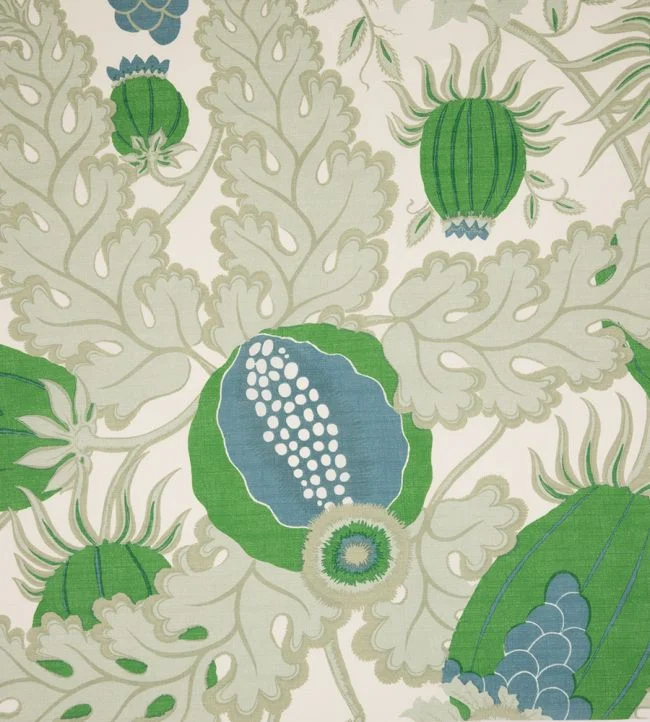
For a design-led studio or curator of international brands, the opportunity lies in selecting pieces that meet this brief without losing any sense of glamour. The finest contemporary collections already understand this shift. They are creating lighting, textiles, furniture and wallcoverings that foreground craftsmanship, tactile richness and lasting relevance rather than disposable novelty.
At Tobias Oliver Interiors, this approach sits naturally within the language of modern luxury. When globally respected brands, artisan makers and bespoke finishes are brought together with care, sustainability becomes part of the elegance of the scheme rather than an added layer.
Designing for legacy
The most compelling interiors have always done more than look beautiful on installation day. They mature. They absorb life. They become more personal over time. Sustainable materials support that evolution because they are chosen not simply for effect, but for endurance.
A luxury interior should still enchant at first glance. It should also stand up to years of living, hosting, changing light, changing routines and changing needs. Materials that weather well, can be maintained properly and improve with age give a home that rare quality of permanence.
Perhaps that is the most persuasive case for sustainability in a luxury setting. It asks for fewer shortcuts, better questions and greater patience – and the result is an interior with depth, intelligence and quiet confidence. The kind of home that never needs to shout to be remembered.

23rd June, 2026

22nd June, 2026