





A beautiful room can still feel unfinished until the lighting is right. That is precisely why Porta Romana Lighting holds such enduring appeal among designers and discerning homeowners alike – it does far more than illuminate a space. It shapes atmosphere, adds sculptural presence and introduces the kind of artistry that gives an interior emotional depth.
For clients building homes of substance rather than simply filling rooms, Porta Romana offers a rare balance. The designs feel expressive yet composed, distinctive yet liveable. In an era saturated with overexposed trends and formulaic luxury, that restraint matters.
What sets Porta Romana Lighting apart
Porta Romana has long occupied a singular position within the world of luxury interiors. Its lighting is immediately recognisable, not because it shouts for attention, but because every piece carries a hand-touched quality that feels considered and original. There is an artistry to the silhouettes, finishes and proportions that resists the mass-produced look seen in so much decorative lighting.
What makes the collection especially compelling is its relationship with craftsmanship. Many pieces reveal evidence of the maker’s hand through textured plaster, blown glass, forged metal, sculpted ceramic and beautifully nuanced patination. These are not incidental details. They are the very qualities that create character, allowing a lamp or pendant to feel collected rather than merely purchased.
That distinction matters in sophisticated residential interiors. A well-designed home should tell a story of taste, curation and permanence. Porta Romana lighting contributes to that story by offering objects with presence and soul, whether placed in a London townhouse drawing room, a coastal villa or a contemporary penthouse.
Porta Romana Lighting as sculpture
The most memorable lighting rarely behaves as background. It anchors a room, introduces rhythm and creates visual punctuation. This is where Porta Romana excels.
Its table lamps often read as small-scale sculptures, particularly in spaces where layered materials and subtle contrast are central to the scheme. A lamp with a softly irregular ceramic base, a rippled glass form or a delicately worked metal structure can transform a sideboard, console or bedside arrangement from functional to exceptional.
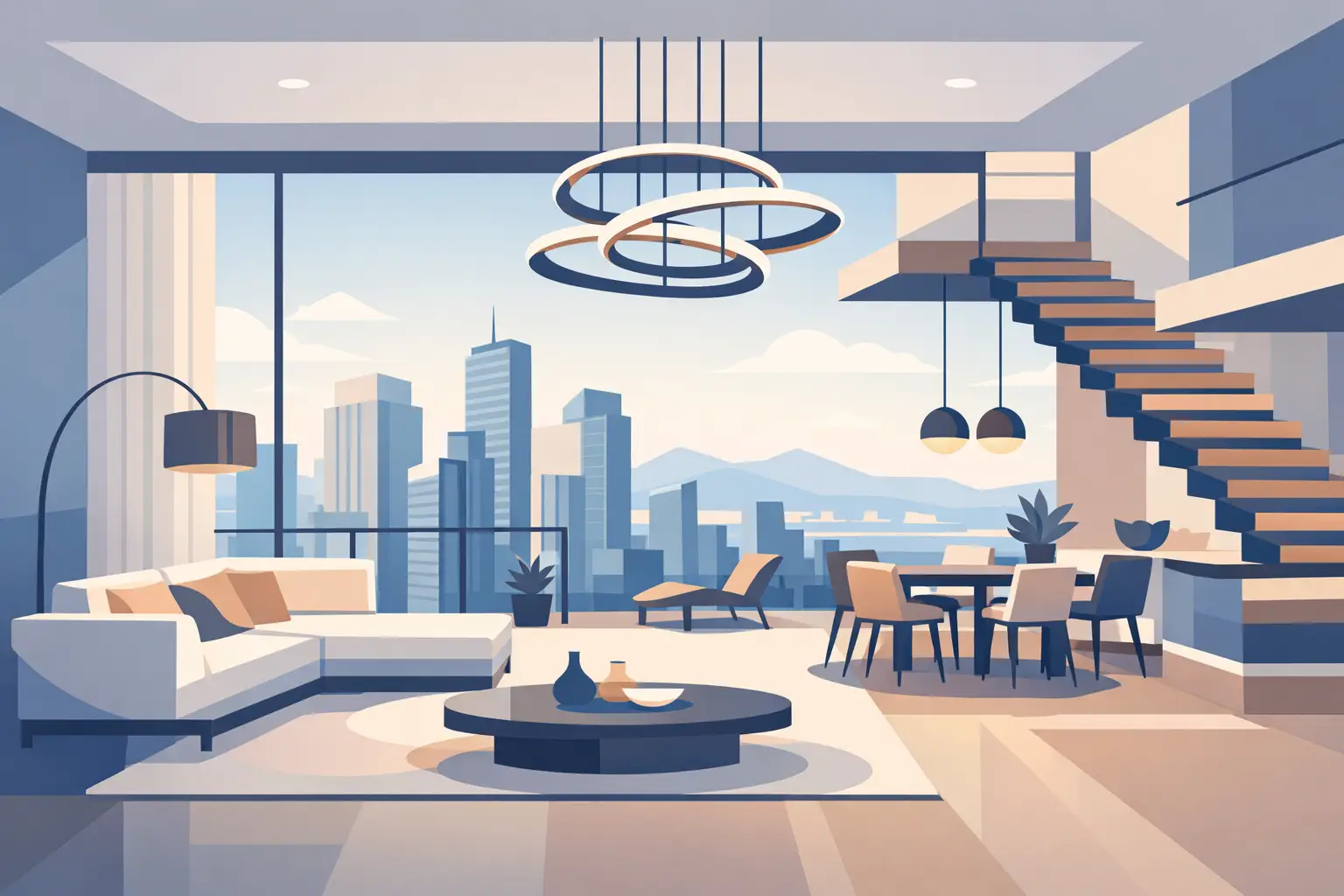
The same is true of larger statement pieces. Chandeliers and pendants from Porta Romana often possess an organic elegance that feels more artistic than overtly decorative. They draw the eye upward, soften architectural lines and create a focal point without overwhelming the room. In dining spaces, entrance halls and double-height living areas, that sense of sculptural gravity is invaluable.
Yet scale requires judgement. A striking chandelier may be ideal above a dining table, but in a lower-ceilinged room a pair of table lamps or wall lights can create greater intimacy. True luxury lies in suitability, not excess.
Why designers return to Porta Romana
Interior designers are often drawn to brands that solve both aesthetic and practical challenges. Porta Romana does exactly that.
First, there is versatility. Although the collection is distinctive, it is not stylistically rigid. These pieces can sit comfortably within classic architectural settings, contemporary interiors and schemes that bridge both. A refined plaster lamp can complement pared-back modernism just as effectively as it can soften a more traditional room.
Second, there is depth. Porta Romana lighting works beautifully within layered schemes where fabrics, wallcoverings, furniture and decorative accessories need to converse rather than compete. In high-end interiors, lighting must belong to the broader material story. It should respond to timber tones, metal finishes, upholstery textures and the mood of the architecture itself.
Third, there is longevity. Designers specifying for principal residences, hospitality suites or development projects understand the value of pieces that retain their relevance over time. Porta Romana avoids the trap of being fashionable for a moment and dated soon after. Its strength lies in timeless expressiveness.
Choosing Porta Romana Lighting room by room
The success of decorative lighting depends as much on placement as on selection. In a sitting room, Porta Romana table lamps are particularly effective for creating atmosphere at eye level. They lend warmth to corners, frame a sofa arrangement and add a softer, more intimate layer than ceiling lighting alone can provide. Where the architecture is generous, a statement pendant or chandelier can also add central definition.
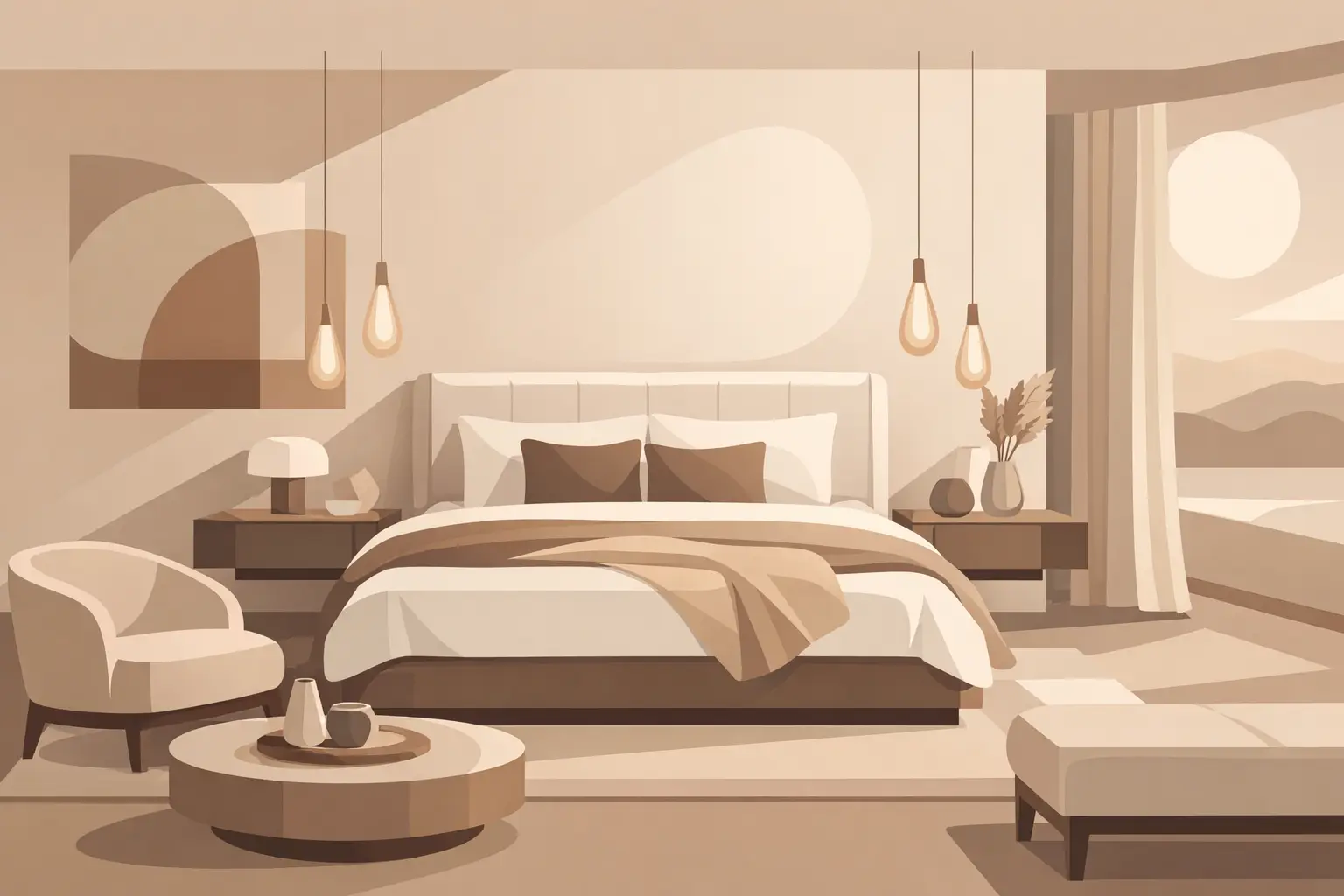
In bedrooms, the brand’s quieter pieces often come into their own. Bedside lighting should feel flattering, calming and deeply tactile. Bases in ceramic, glass or hand-finished metal bring visual softness, especially when paired with natural linens, upholstered headboards and muted palettes. In these rooms, understatement often creates the strongest sense of luxury.
Entrance halls offer a different opportunity. Here, lighting sets the tone for the entire home. A sculptural pendant can establish immediate confidence, while a console dressed with lamps introduces a more residential elegance. The choice depends on ceiling height, natural light and whether the brief calls for drama or quiet refinement.
Dining rooms benefit from balance. Porta Romana chandeliers and pendants can create beautiful intimacy over a table, but proportion is everything. The fixture should feel generous enough to hold the space without obscuring sightlines or dominating the room. In formal settings, symmetry can be powerful. In more relaxed contemporary interiors, asymmetry may feel fresher and more personal.
Materials, finish and the language of quiet luxury
One of the reasons Porta Romana Lighting resonates so strongly in elevated interiors is its nuanced use of materials. Quiet luxury is often misunderstood as simplicity alone. In reality, it is about richness expressed with confidence and restraint.
A hand-applied plaster finish, for example, offers a chalky softness that sits beautifully against stone, limewash or oak. Blown glass brings luminosity and movement, particularly in spaces where daylight changes throughout the day. Aged brass or bronze introduces warmth and gravitas, while ceramic forms can create an artisanal note that keeps a scheme from feeling too polished.
These material choices are not simply decorative. They influence how a room feels. A heavily reflective finish may add glamour, but it can also become visually busy in an already layered interior. A matte or textured surface may deliver greater calm. This is why expert curation matters. The most successful schemes consider how every finish behaves in relation to natural light, upholstery, architecture and use.
How to style Porta Romana without overworking a room
Luxury interiors require editing. Because Porta Romana pieces often carry strong personality, they perform best when allowed space.
A sculptural lamp does not need to compete with an overly complex side table, dense pattern or excessive accessory styling. Instead, it should be supported by proportion, texture and contrast. On a console, that might mean pairing it with one oversized object, a restrained mirror and negative space. In a bedroom, it may mean letting the lighting provide decorative interest while the bedding and wall treatment remain quietly tonal.
This principle is especially relevant in open-plan homes and large-scale residences. When every room tries to deliver a dramatic gesture, the result can feel tiring rather than luxurious. Porta Romana lighting is most effective when it forms part of a broader rhythm – moments of statement balanced by moments of calm.
Is Porta Romana right for every interior?
Not always, and that is part of its strength. Homes driven entirely by ultra-minimal architectural language may require very restrained technical lighting with little decorative emphasis. Equally, highly ornate traditional schemes may need more historically referential fixtures.
Where Porta Romana excels is in interiors that value tactility, individuality and a layered sense of modern elegance. It is ideal for homes that want warmth rather than sterility, artistry rather than obvious ostentation. For boutique hospitality and luxury residential projects, it offers that elusive middle ground between statement and sophistication.
It is also worth considering practicalities such as lamp scale, shade shape, ceiling height and intended ambience. A beautiful piece can disappoint if the proportions are wrong or the light output does not suit the room’s purpose. Decorative lighting should always be selected with both mood and function in mind.
Porta Romana Lighting in a fully considered scheme
The best interiors are never built from isolated hero pieces. They emerge from relationships – between lighting and furniture, between texture and form, between atmosphere and architecture. Porta Romana lighting is especially powerful when specified as part of that wider dialogue.
A sculptural lamp can echo the curve of a chair. A plaster finish can pick up the softness of a wall treatment. A chandelier can create tension against clean-lined contemporary joinery. These subtleties are what distinguish a room that looks expensive from one that feels deeply resolved.
For that reason, many clients approach decorative lighting not as a final afterthought, but as an early design decision. When chosen well, it can guide the material palette, influence the mood of the room and sharpen the identity of the scheme. Within a curated luxury interior, Porta Romana does not merely add light – it gives the room a point of view.
For homeowners and designers seeking pieces with artistry, discretion and lasting presence, that is where its value truly lies.

27th June, 2026

26th June, 2026