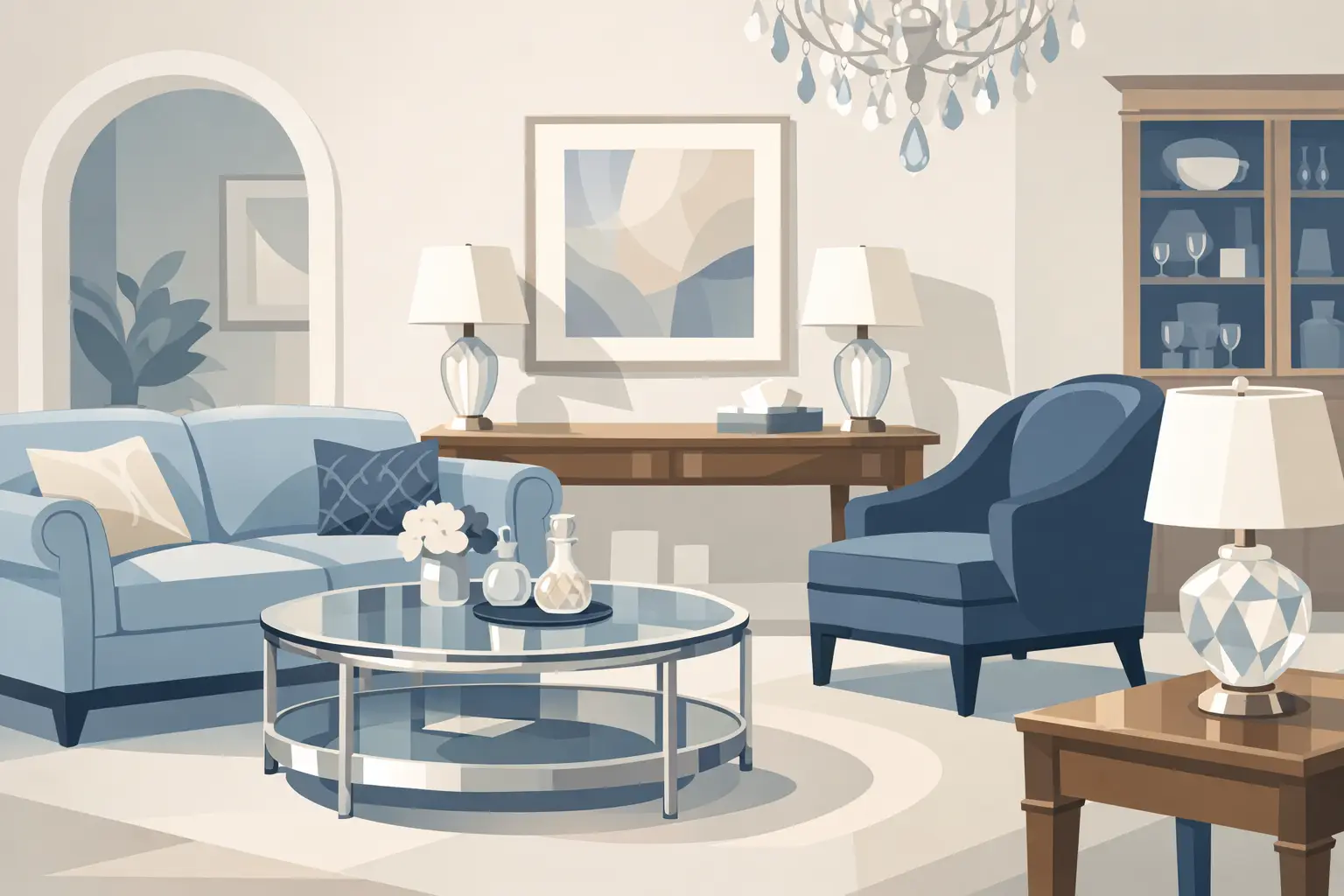






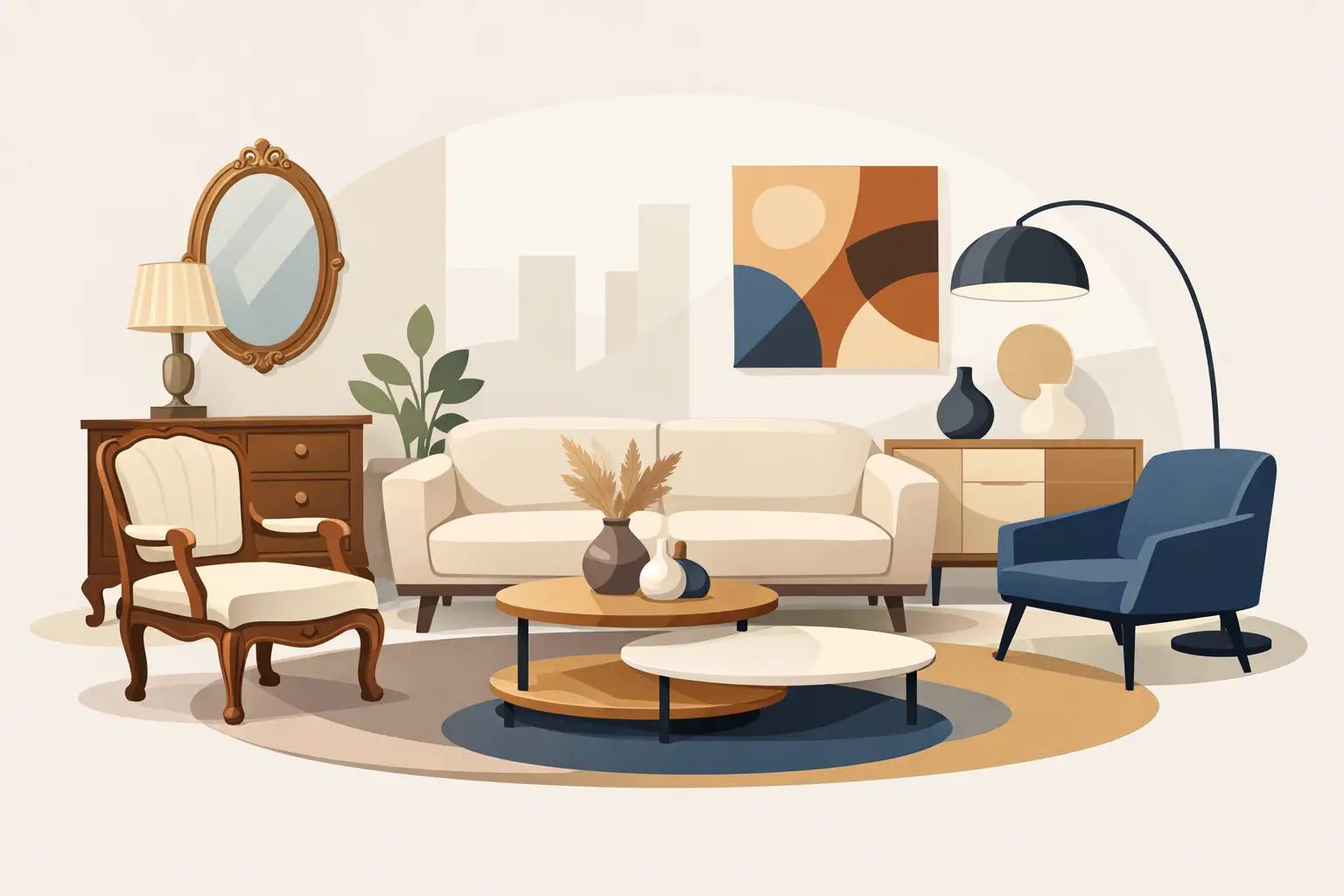
A room with only antiques can feel overly reverent. A room with only contemporary pieces can feel as though it arrived fully formed from a showroom. The most memorable interiors sit somewhere more interesting – and this guide to mixing antique and modern furniture is really about creating that tension with intent.
When it is done well, the result is not eclectic for the sake of it. It feels collected, assured and quietly luxurious. An 18th-century commode beneath a contemporary mirror, a sculptural travertine table beside inherited dining chairs, or a streamlined sofa set against ornate panelling can bring a home a kind of depth that neither period nor modern design achieves on its own.
Why a guide to mixing antique and modern furniture matters
The appeal lies partly in contrast, but contrast alone is not enough. The real value comes from layering time, craftsmanship and point of view. Antique furniture carries patina, proportion and human irregularity. Modern furniture often offers clarity, comfort and architectural presence. Together, they shape interiors that feel evolved rather than decorated in one sweep.
For discerning homes, this matters. A penthouse may need warmth and soul. A country house may need visual restraint. A family residence may benefit from pieces that hold memory alongside pieces that support modern living. Mixing old and new allows a home to tell a more personal story, one that feels edited rather than themed.
That said, balance is delicate. Without a clear eye, a room can tip into pastiche or feel unresolved. The goal is not to prove that opposites attract. It is to make very different pieces look as though they belong in the same conversation.
Start with the architecture, not the furniture
Before choosing individual pieces, read the room itself. Period architecture often welcomes cleaner contemporary forms because the shell already provides detail. Think cornicing, parquet, original fireplaces or generous ceiling heights paired with low, tailored seating, restrained lighting and simpler silhouettes. The contrast feels intentional because the building has character built in.
In newer properties, the opposite approach can be effective. A contemporary flat or architect-designed home may benefit from an antique cabinet, a giltwood mirror or a richly grained writing table to soften crisp lines and introduce texture. Older pieces can stop modern spaces from feeling emotionally flat.
Architecture should guide how strong the contrast can be. In a listed townhouse, one sculptural contemporary piece may be all that is needed. In a minimal new-build, an antique with genuine presence can become the room’s anchor.
Decide what leads
The easiest way to avoid visual noise is to choose a lead language for the room. That may be modern with antique accents, or antique in spirit with contemporary interventions. Both can work beautifully, but they create different moods.
If modern pieces lead, the space tends to feel sharper, lighter and more architectural. If antiques lead, it often feels more intimate, layered and romantic. Neither is better. It depends on how you want the room to perform and what kind of atmosphere you want it to evoke.
Mix through scale and silhouette
One of the most common mistakes is focusing on style labels rather than form. A Louis XVI chair and a contemporary sofa can coexist if their proportions feel harmonious. Likewise, a heavy carved sideboard may overpower a delicate modern dining table, not because they are from different eras, but because their visual weight is mismatched.
Pay close attention to silhouette. Curved forms often bridge periods elegantly. An antique serpentine-front chest can sit comfortably with a rounded contemporary lamp or a soft bouclé chair. Clean-lined modern pieces can also calm more decorative antiques, giving the eye somewhere to rest.
Scale matters just as much. Grand antiques need space around them to be appreciated. In tighter rooms, smaller occasional antiques often work better than large case pieces. A single exquisite side table, stool or mirror can have more impact than a room crowded with inherited furniture that does not quite fit.
Let one piece be the tension point
Not every object needs to make a statement. In fact, the strongest schemes often rely on one deliberate moment of contrast. It might be an ornate antique console beneath a pared-back abstract artwork, or a contemporary marble dining table surrounded by antique ladder-back chairs.
This creates clarity. When every item competes, the room feels busy. When one pairing holds the tension, the space feels composed.
Use materials to create continuity
If style is contrast, material is often what makes the room coherent. Timber tones, stone finishes, metal detailing and textiles can quietly join pieces from different centuries.
For example, an antique walnut chest can sit beautifully within a contemporary room if the space also includes warm bronze, smoked oak or rich linen. A painted Swedish cabinet may feel more at home when paired with chalky plaster walls, pale wool and restrained upholstery. Similarly, a sleek modern table becomes less stark beside antique seating if there is a shared material thread, perhaps aged brass, dark timber or leather.
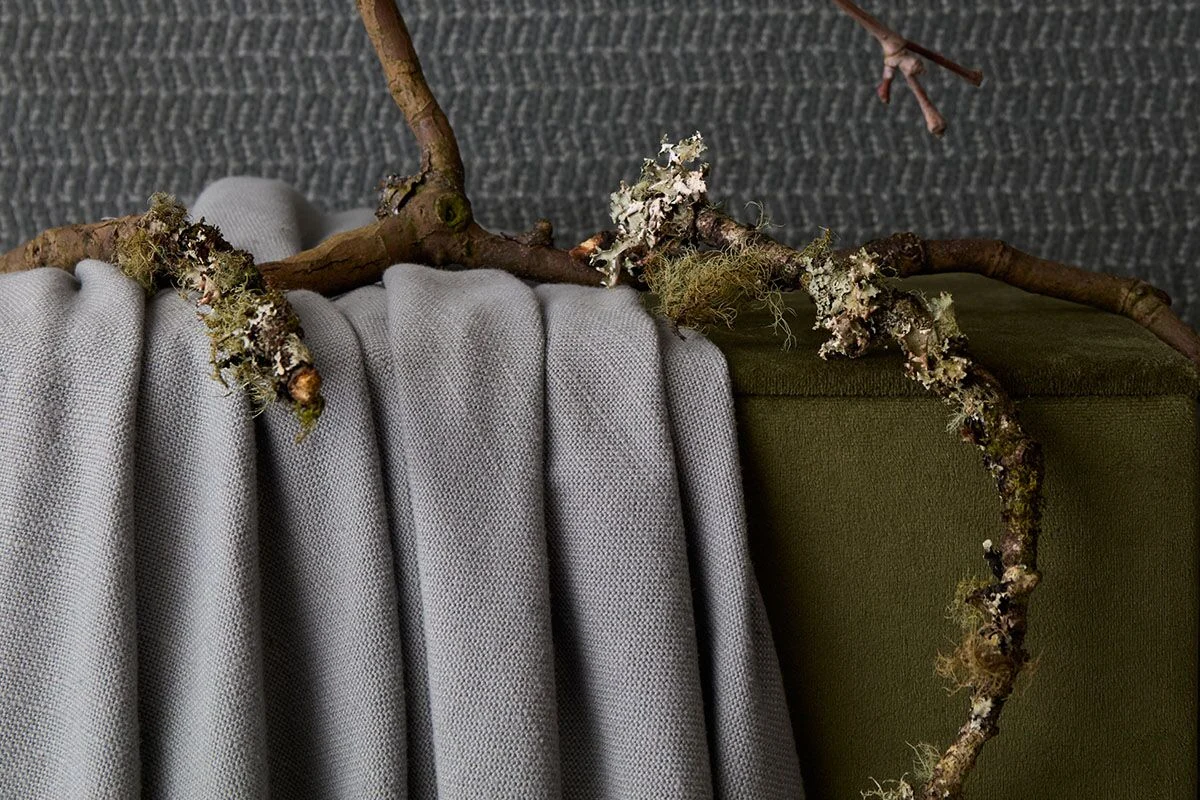
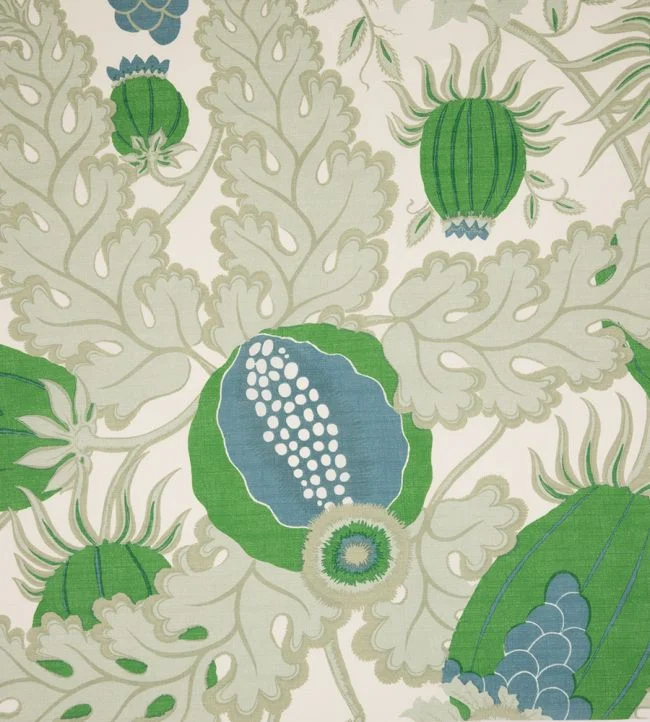
Texture is especially important in luxury interiors because it shapes how a room feels as much as how it looks. Antique furniture brings natural wear, patina and subtle imperfection. Contemporary furniture can introduce precision – honed stone, brushed metal, lacquer, glass. Layered together with thoughtful fabrics and wallcoverings, they create depth without clutter.
Colour should calm the conversation
A mixed interior rarely benefits from too many competing colours. When old and new are already creating visual contrast, a disciplined palette helps settle the room.
Neutrals tend to be effective because they allow craftsmanship and form to speak. Soft stone, tobacco, ivory, olive, charcoal and oxblood can all support both antique and modern pieces without flattening them. That does not mean colour should be absent. Rather, colour should feel considered and repeated. A deep aubergine trim on an antique chair can connect with a contemporary artwork. A green marble lamp may echo the undertone of an antique rug.
If your antiques are highly decorative – marquetry, gilding, painted finishes – then contemporary pieces often look best when quieter in tone. If the modern furniture is bold, perhaps in sculptural blackened oak or veined stone, then the antique elements may need to be simpler. Restraint creates elegance.
Comfort and function still matter
A beautiful room that does not support daily life will eventually feel performative. This is where contemporary furniture often earns its place. Deep seating, discreet storage, well-scaled dining tables and thoughtful lighting make historic pieces easier to live with.
Antiques should not be forced into roles they can no longer perform comfortably. An antique desk may be exquisite, but unsuitable as a primary work surface. A period chair may be lovely, but better as an occasional piece than everyday seating. Use antiques where their beauty and craftsmanship can be appreciated, and let modern pieces handle the demands of contemporary living where necessary.
This is especially relevant in homes that entertain often or serve multiple generations. A room can be richly layered and still practical. In fact, the most successful luxury interiors usually are.
Lighting is often the bridge
Lighting has a remarkable ability to reconcile periods. A sculptural contemporary table lamp can sharpen an antique chest. A classical lantern can soften a minimalist hall. A pair of alabaster lamps can add glow and gravitas to almost any arrangement.
Because lighting affects atmosphere as much as style, it is one of the safest places to introduce contrast. It can also shift the perceived formality of a room. Antique furniture under overly decorative lighting may feel heavy. The same furniture beneath a cleaner, more sculptural fitting can suddenly feel current.
At Tobias Oliver Interiors, this is often where a layered scheme finds its final coherence – not through matching, but through a more subtle conversation between material, scale and light.
Edit harder than you think
The most sophisticated mixed interiors do not display everything at once. They are edited. Space around pieces is part of the composition.
If a room contains several antiques, the contemporary elements may need to be quieter and fewer. If the architecture is minimal and the furniture modern, a single exceptional antique may be more compelling than a cluster. Quality matters more than quantity, particularly when pieces already carry visual character.
There is also a difference between collecting and accumulating. Collected interiors feel intentional because every piece contributes something distinct – shape, age, texture, memory, craftsmanship. If an item does not strengthen the room, sentiment alone may not be enough reason to keep it there.
When not to force the mix
There are moments when contrast does not improve a room. A highly significant antique may deserve a more sympathetic setting. Equally, a rigorously contemporary interior may lose its discipline if too many period pieces are introduced without purpose.
Mixing works best when there is a genuine dialogue. If the pieces have nothing to say to one another, the room can feel unresolved. That is why curation matters so much more than formula.
A home becomes far more compelling when it reflects not a period, but a perspective. The old brings memory. The new brings clarity. Between them lies the kind of interior people remember long after they have left the room.

11th June, 2026

10th June, 2026