




A beautifully finished room rarely comes down to expensive pieces alone. What gives an interior its quiet authority is judgement – the ability to balance architecture, light, materiality and comfort so that a home feels both elevated and deeply personal. That is why choosing the best interior design services matters far more than simply hiring someone with a polished portfolio.
For discerning homeowners, the decision is not only about style. It is about trust, discretion, access, and the confidence that every detail – from the fall of a linen curtain to the scale of a sculptural chandelier – has been considered with care. The right design service shapes experience as much as appearance.
What the best interior design services actually deliver
At the highest level, interior design is not a shopping exercise. It is a disciplined creative process that interprets how you live, entertain, work and retreat. The strongest designers bring clarity to a project that may begin with scattered references, competing priorities or an underdeveloped architectural shell.
That process usually starts with a point of view. A good designer can assemble attractive rooms. An exceptional one creates a coherent visual language that runs through the entire home, giving each space its own mood while ensuring the whole feels composed. This is especially important in larger properties, where inconsistency can quickly make even expensive interiors feel disjointed.
The best interior design services also provide access. That may mean relationships with respected makers, specialist workshops, decorative artists and premium brands not typically available through mass-market channels. It may also mean understanding where to invest and where restraint creates a more elegant result. Luxury, when done well, is rarely about excess.
Execution is the other half of the equation. Schemes can look effortless on paper yet fail in the final room if procurement, lead times, site coordination and installation are mishandled. A refined interior depends on practical rigour as much as creativity.
How to recognise the best interior design services for your home
The most obvious place to begin is aesthetic alignment, but that should not be the only measure. A portfolio may be beautiful and still not suit the way you want to live. Some designers excel at dramatic visual statements, while others are stronger at layered understatement. Neither is inherently better. It depends on the atmosphere you want your home to hold.
Look closely at the consistency of quality across projects. Are the rooms resolved from every angle, or do they rely on one strong photograph? Do the materials appear considered and tactile? Does the furniture relate properly to the architecture? In sophisticated interiors, proportion is often what separates a merely expensive room from a truly accomplished one.
It is also worth paying attention to how a design studio speaks about process. The best interior design services tend to be highly articulate about briefing, concept development, sourcing, bespoke elements and implementation. They understand that affluent clients are not only buying taste – they are investing in structure, foresight and peace of mind.
A strong service should be able to work fluently across lighting, furniture, fabrics, wallcoverings and finishing details. This does not necessarily mean doing everything in-house, but it does mean knowing how these layers interact. A room may have impeccable furniture and still fall flat if the lighting is poorly resolved or the textiles lack depth.
Why curation matters more than quantity
One of the clearest signs of a luxury-level design service is curation. Not more options – better ones.
Too much choice often creates fatigue rather than confidence. The finest designers edit decisively. They know which contemporary furniture pieces will endure, which wallcoverings add atmosphere without overwhelming a space, and which trimmings provide a subtle but meaningful finish. They also understand how to combine recognised names with quieter pieces so a home feels collected rather than staged.
This is where access to internationally respected interiors brands becomes particularly valuable. Designer lighting, artisanal textiles, statement furniture and bespoke decorative details all contribute differently to a scheme. When selected with intelligence, they create rhythm and contrast. An alabaster table lamp softens a hard architectural line. A woven bouclé introduces warmth against stone. A smoked glass console adds reflection without visual noise.
There is also an emotional dimension to curation. Homes that resonate tend to have narrative. They reveal a sensibility, not just a budget. The right service helps refine that narrative so it feels natural to the client rather than imposed by the designer.
The role of bespoke design in high-end interiors
For many premium residential projects, bespoke elements are what elevate a home from well furnished to truly distinctive. This might take the form of made-to-measure upholstery, custom headboards, tailored window treatments, specialist joinery or precisely scaled furniture designed for an awkward architectural condition.
Bespoke design is not always necessary, and it is rarely the right answer for every room. Off-the-shelf pieces from exceptional brands can often bring exactly the right presence and craftsmanship. But when a project calls for precision, bespoke work allows an interior to feel resolved in a way standard pieces cannot always achieve.
The trade-off, of course, is time and complexity. Bespoke production requires detailed drawing, approvals, material sampling and close communication with makers. The best design services manage this calmly and transparently, so clients understand not only the creative value but the practical implications.
Why lighting is often the difference between good and exceptional
In luxury interiors, lighting is frequently underestimated at the start and most appreciated at the end. It shapes mood, defines texture and determines how a room is experienced from morning through to evening.
A sophisticated design service treats lighting as architecture, atmosphere and decoration at once. The layering matters. Ambient light sets the overall tone, task lighting supports how the room functions, and decorative fixtures provide sculptural presence. When these elements work together, a room gains depth and softness.
This is especially important in homes with strong natural materials such as oak, marble, travertine or plaster finishes. These surfaces respond beautifully to considered lighting and can appear flat under a less disciplined scheme. The finest services understand how to use lighting to evoke emotion rather than simply illuminate.
Materials, fabrics and the language of comfort
Luxury is tactile. It is felt through the hand as much as seen by the eye.
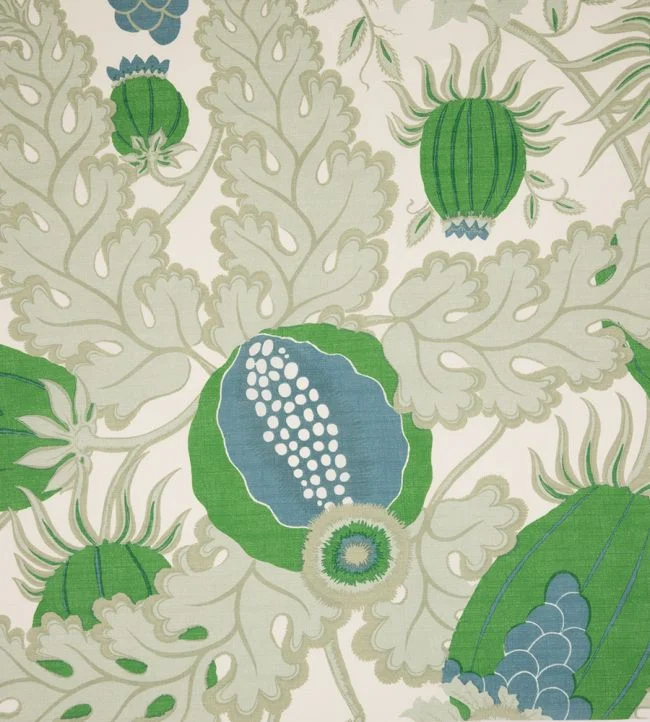
That is why the strongest interior designers pay such close attention to textiles and finishes. Linen, velvet, bouclé, embroidery and wallcoverings all influence how a room is received. They soften acoustics, create intimacy and bring visual depth. In more contemporary homes, they can also stop minimal interiors from feeling austere.
Material selection is where expertise becomes particularly visible. A room intended for family life needs a different approach from a formal drawing room or a hospitality-style entertaining space. Beauty matters, but so do durability, maintenance and ageing. Some fabrics improve with wear. Others demand a more careful environment. A thoughtful design service will be candid about these distinctions.
This balance between refinement and practicality is often what affluent clients value most. A home should look composed, but it should also support real life.
Questions worth asking before you appoint a designer
The right questions tend to reveal more than a presentation ever could. Ask how the studio approaches projects with different architectural styles. Ask how procurement and delivery are managed, especially if the property is abroad or the sourcing is international. Ask what proportion of their work is bespoke and how they handle revisions, lead times and installation.
It is equally useful to ask how they define success. Some studios focus on visual impact. Others place equal weight on longevity, comfort and the emotional quality of the finished home. For many clients, the latter leads to interiors that remain compelling long after completion.
If your project involves multiple residences or a cross-border specification process, experience matters. A design-led team with global sourcing capability can simplify what might otherwise become fragmented and inefficient. For clients seeking a highly curated approach across furniture, lighting, textiles and decorative detail, firms such as Tobias Oliver Interiors demonstrate the value of that breadth when it is guided by a strong creative hand.
Choosing with confidence
The best interior design services do more than decorate. They translate aspiration into spaces that feel intelligent, assured and deeply liveable. They know when to make a statement, when to edit back, and how to compose rooms that continue to reveal their quality over time.
A well-designed home should never feel as though it is trying too hard. It should feel settled, expressive and quietly exacting – a place that reflects your standards without needing to announce them. When you choose a designer who understands that distinction, the result is not simply a beautiful interior, but a home with lasting presence.

26th May, 2026

25th May, 2026