







Most people do not need more inspiration. They need clarity. If you are wondering how to get interior design advice, the real question is not where to look first, but whose judgement you trust to shape the way your home feels, functions and endures.
A beautifully resolved interior rarely comes from a single clever purchase. It is built through considered decisions – proportion, light, texture, comfort, tone and restraint. Good advice helps you avoid expensive missteps. Exceptional advice gives your home coherence, presence and a sense of quiet confidence that cannot be improvised.
How to get interior design advice without wasting time
The quickest route to useful design advice is to be honest about the level of help you need. Some homes require a second opinion on finishes or furniture placement. Others need a complete design language, especially when the architecture is strong, the scale is generous, or the investment is significant.
If you ask for advice too broadly, you will receive broad answers. If you ask with precision, the guidance becomes more valuable. Before approaching a designer, identify what is unsettled. Is it the layout of a drawing room? The balance between decorative and architectural lighting? The challenge of layering fabrics without making the scheme feel heavy? The more clearly you define the problem, the more tailored the response will be.
It also helps to know what success looks like for you. One client may want a penthouse that feels crisp, gallery-like and controlled. Another may want a country house with softness, warmth and a sense of collected ease. Both are valid. Advice only becomes truly effective when it reflects the life being lived in the space.
Start with the room, not the trend
Many people seek design advice after seeing an appealing image and trying to recreate it. That is understandable, but it often leads to interiors that look persuasive in photographs and underwhelming in person. Your rooms have their own light, ceiling heights, viewpoints and architectural constraints. Advice should respond to those realities first.
A north-facing room, for instance, may need warmth in both material and colour to avoid feeling flat. A large open-plan space often needs zoning through rugs, lighting and furniture scale rather than decorative excess. Period architecture may ask for a different level of tension between old and new than a contemporary villa. This is where experienced design guidance matters – not to impose a signature, but to read the room accurately.
The best advice is rarely about what is fashionable now. It is about what will still feel composed and convincing after the novelty has passed.
Know the difference between free inspiration and professional advice
There is no shortage of visual inspiration. Magazines, social media and showroom imagery can all sharpen your eye. They can help you recognise whether you are drawn to sculptural lighting, quieter neutrals, richly woven textiles or stronger contrasts in materiality.
But inspiration is not the same as advice. Inspiration shows possibilities. Advice makes decisions. It accounts for scale, procurement, lead times, upholstery requirements, wall finishes, durability, budget allocation and the way one choice affects the next.
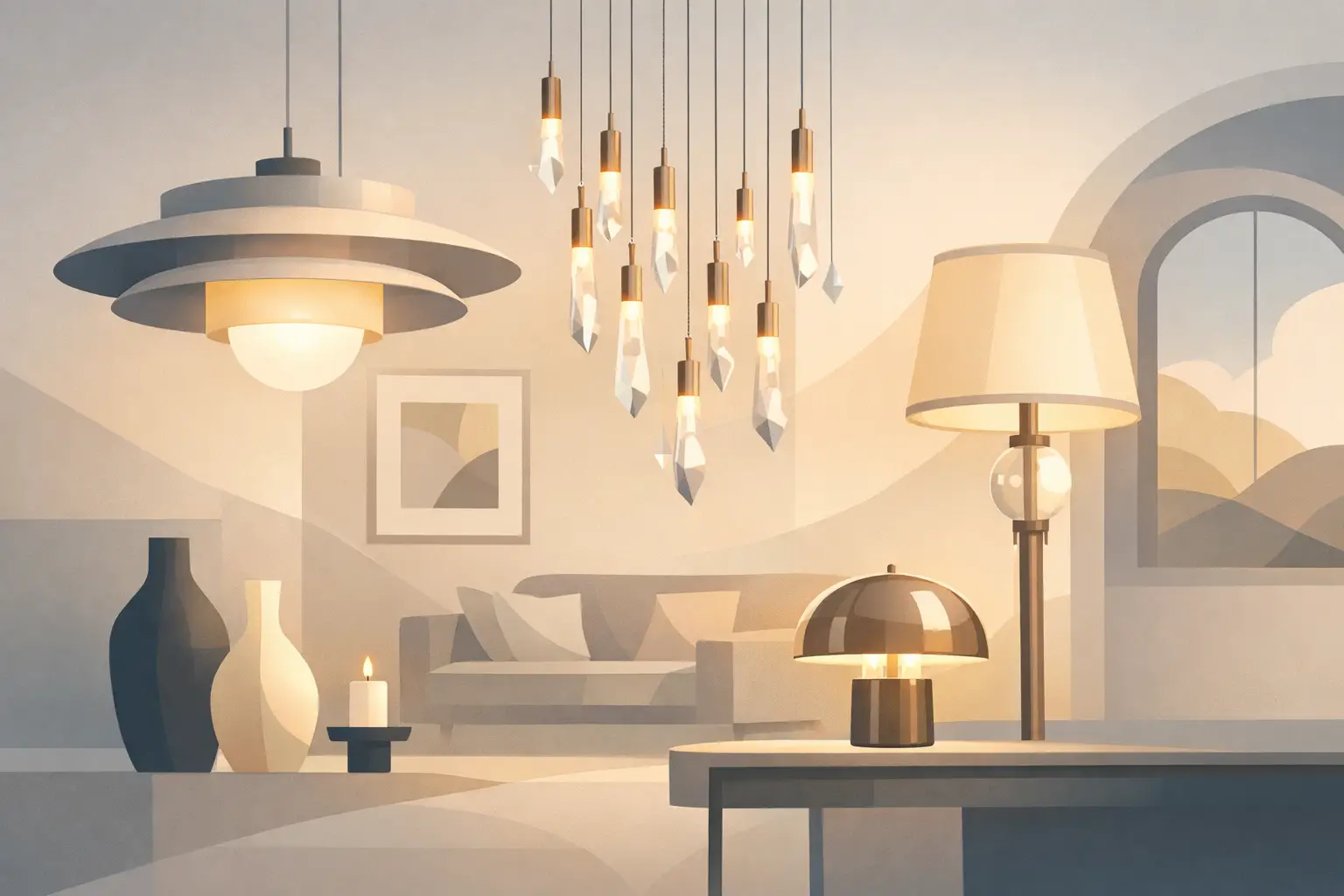
That distinction matters most when the project is layered or high value. Choosing an alabaster pendant is one thing. Understanding whether it sits comfortably with the ceiling height, table dimensions, wall tone and surrounding furniture is another. Luxury interiors depend on relationships between pieces, not simply the pedigree of each individual item.
The best ways to get interior design advice
There is no single route that suits everyone. The right approach depends on the complexity of the project, how decisive you are, and whether you want guidance, curation or full creative direction.
A one-off design consultation
This works well if the architecture is already resolved and you need an expert eye on specific questions. Perhaps you are choosing between wallcoverings, reassessing a lighting plan, or trying to pull together a principal bedroom that feels complete rather than merely furnished.
A consultation can be highly efficient when you are confident making decisions once the direction is clear. It is less effective if the project involves multiple rooms, bespoke pieces or extensive renovation, because those usually need continuity rather than isolated advice.
Room-by-room design support
This suits clients who want a measured level of involvement. You may begin with the most important rooms – a living area, dining room or primary suite – and build from there. It allows for thoughtful pacing, particularly in long-held family homes where every room should feel connected but not identical.
The trade-off is that phasing requires discipline. If earlier decisions are made too quickly, they can limit what becomes possible later.
Full interior design service
When the property is substantial, newly built, being renovated, or intended to make a strong statement, full design support is usually the most intelligent investment. This approach considers the home as a whole – architecture, spatial planning, lighting, fabrics, furniture, joinery, decorative detail and installation.
It also protects the integrity of the final result. Without overall oversight, even excellent individual selections can compete rather than harmonise. That is often where costly disappointment begins.
What to prepare before asking for advice
Designers can guide you more effectively when they understand both the practical parameters and the emotional ambition of the project. Floor plans, room dimensions and photographs are the obvious starting point, but they are not enough on their own.
You should also be able to describe how you want the rooms to feel. Calm is not the same as minimal. Luxurious is not always opulent. Contemporary can mean architectural and restrained, or expressive and layered. The language matters because it reveals your tolerance for contrast, ornament, softness and drama.
Be equally candid about how the home is used. Formal entertaining, family life, frequent travel, children, pets and staffing all influence the right specification. A room that looks immaculate but does not support the rhythm of daily living is not well designed. It is merely styled.
Budget deserves the same honesty. A skilled designer can work intelligently within clear parameters, but vague expectations create weak decisions. If the goal is a deeply tailored interior with bespoke upholstery, designer lighting, artisan textiles and refined finishing details, the advice should be calibrated accordingly.
How to judge whether the advice is actually good
Not all design advice is equal, and polished presentation can disguise shallow thinking. Strong advice feels specific. It responds to your architecture, your priorities and the atmosphere you want to create. It should also explain why a choice is right, not simply insist upon it.
Look for judgement, not noise. If every answer is trend-led, overly theatrical or disconnected from the room itself, be cautious. Good designers know when to edit. They understand that sophistication often comes from tension held in balance – a sculptural lamp against a quieter backdrop, a tactile boucle beside smoked oak, a bold fabric used with restraint.
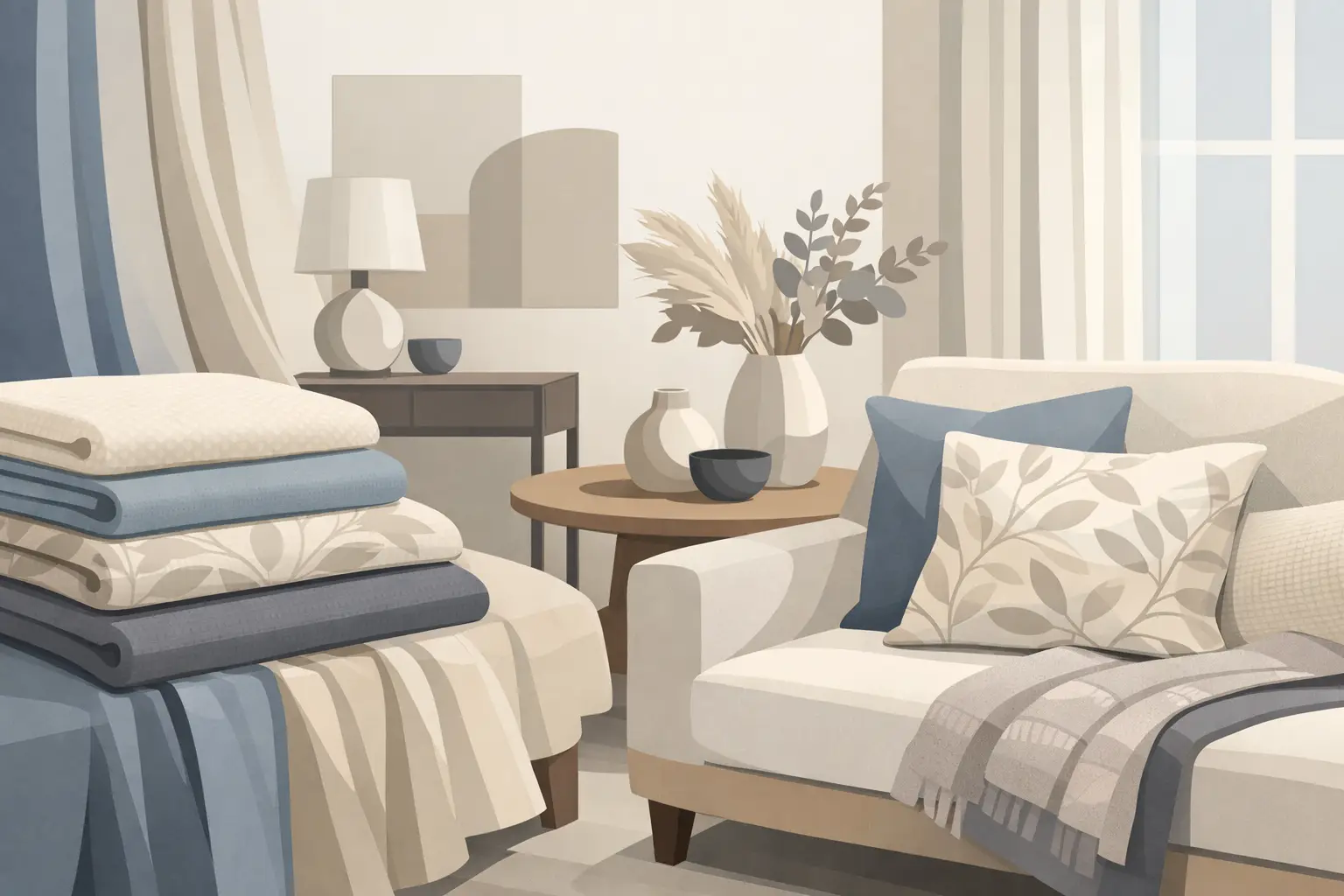
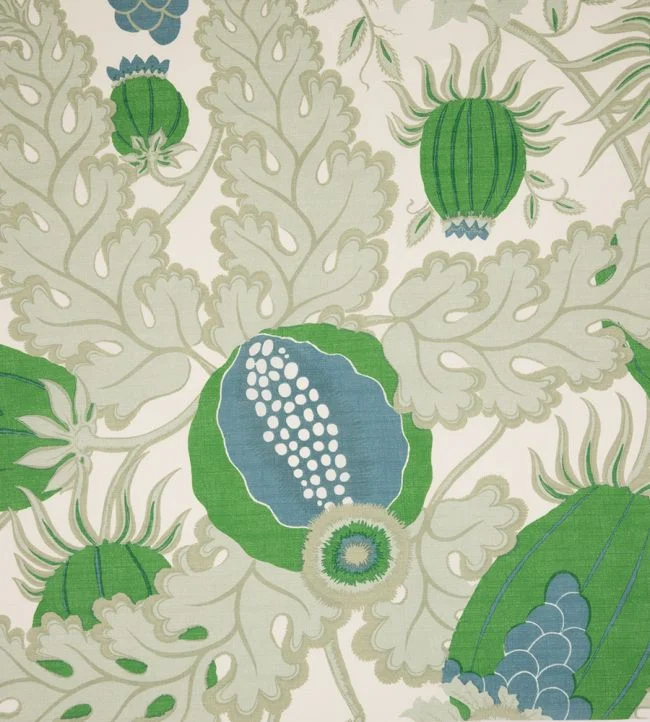
Material knowledge is another marker. Anyone can suggest a colour palette. Fewer can speak with confidence about how linen drapes, how velvet changes in light, how wallcoverings affect acoustics, or how brushed metal sits against natural stone. In luxury interiors, that depth of understanding is not a flourish. It is part of what makes the scheme feel complete.
How to get interior design advice for a luxury home
At the upper end of the market, design advice should move beyond decoration. It should help shape experience. That means considering arrival, mood, flow, comfort, storage, atmosphere after dark and the subtle cues that make a home feel collected rather than assembled.
This is where access to curated brands and specialist sourcing becomes particularly valuable. The right designer does not simply offer more choice. They offer better judgement across categories – lighting that gives presence without glare, fabrics with depth and tactility, furniture with architectural poise, and trimmings or finishing details that quietly elevate the whole.
For clients seeking this level of refinement, a design-led sourcing partner can be as valuable as a traditional designer, particularly when the brief revolves around timeless contemporary interiors and internationally respected collections. Tobias Oliver Interiors, for example, sits naturally within this conversation because the curation itself reflects a point of view rather than a catalogue mentality.
When to seek advice earlier than you think
One of the most expensive mistakes in interiors is waiting too long. Clients often ask for advice after architectural decisions are fixed, electrical plans are signed off, or key furniture has already been purchased. At that stage, good designers can still improve the outcome, but some opportunities have already gone.
The earlier advice enters the process, the more influence it has on proportion, joinery, lighting positions, material continuity and overall atmosphere. This does not mean every project requires a full design team from day one. It means the most consequential choices benefit from expert input before they become difficult to reverse.
If you are building, renovating or furnishing a home of real significance, interior design advice is not an optional finishing touch. It is part of how quality is protected.
The most worthwhile advice does more than tell you what to buy. It gives your home a centre of gravity – something composed, personal and enduring enough to live with beautifully for years.

24th July, 2026

23rd July, 2026