





Some fabrics simply cover a chair or frame a window. Christopher Farr Cloth fabrics do something more interesting – they set a mood, introduce rhythm and give a room the kind of distinction that cannot be achieved through furniture alone. For clients shaping a home with lasting character, they offer that rare balance of artistry and usability.
Christopher Farr Cloth occupies a compelling position within luxury textiles. The collection is deeply informed by art and craft, yet it never feels museum-like or remote. Instead, it translates painterly ideas, geometric structure and hand-worked texture into fabrics that live beautifully in private residences, boutique hospitality settings and quietly confident commercial interiors. The result is decorative, certainly, but also intelligent.
Why Christopher Farr Cloth fabrics feel so distinctive
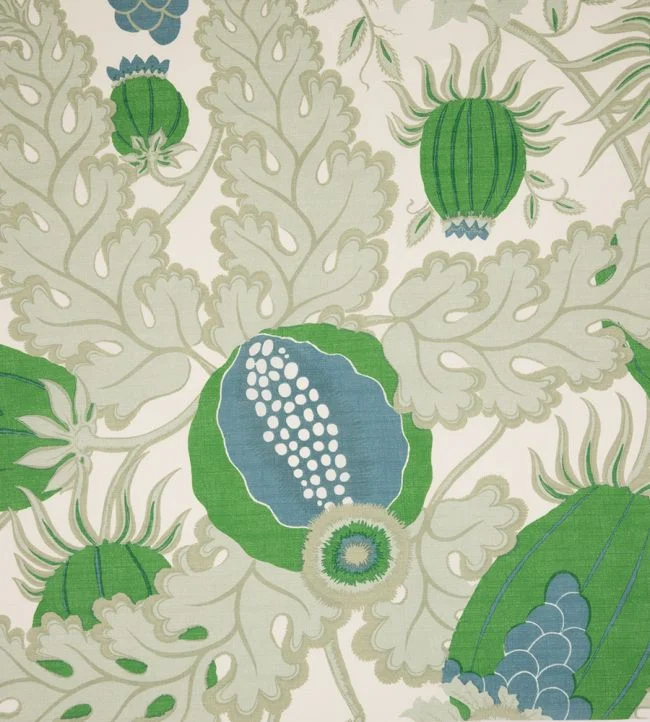
What sets Christopher Farr Cloth apart is not simply pattern, though pattern is central to its appeal. It is the way the brand approaches surface, scale and colour with unusual restraint. There is often a modernist clarity running through the collection, but it is softened by the irregularity and tactility that make a textile feel human rather than overly engineered.
That distinction matters in high-end interiors. In a well-considered room, every element needs to contribute to a larger emotional register. A fabric should not fight the architecture, nor should it disappear into it. Christopher Farr Cloth fabrics are particularly effective because they hold their own without overwhelming the scheme. They can introduce depth to pared-back spaces and structure to softer, more layered interiors.
The artistic heritage behind many of the designs is another reason the collection resonates with design-literate clients. These textiles often feel connected to a broader cultural conversation – art, craftsmanship, decoration and modern living – which gives them substance beyond trend. For homeowners who want their interiors to tell a more considered story, that depth is valuable.
Using Christopher Farr Cloth fabrics in a luxury scheme
A beautifully chosen fabric can alter the entire reading of a room. With Christopher Farr Cloth, the question is rarely whether the design is striking enough. More often, the design challenge lies in deciding where its character will have the greatest impact.
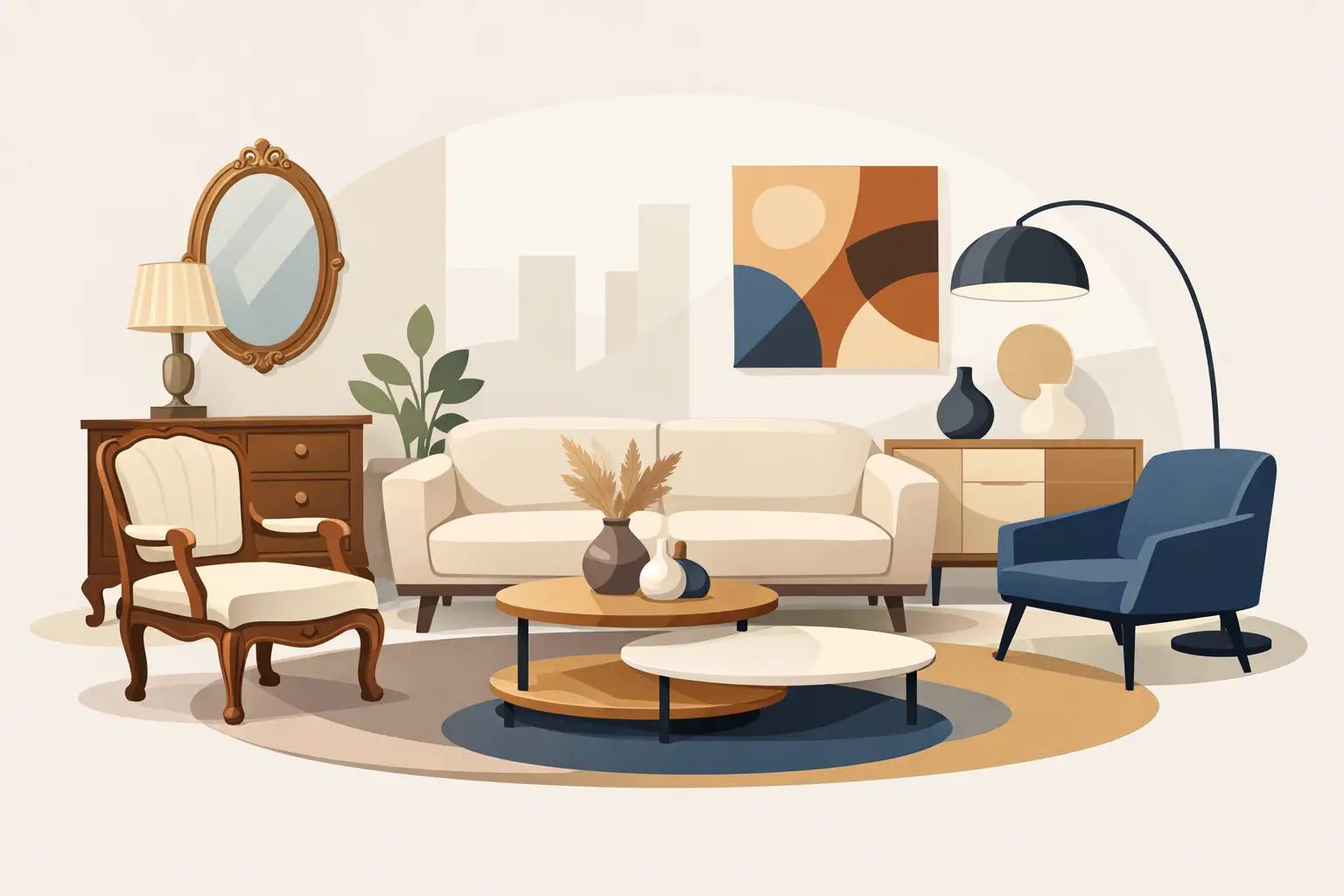
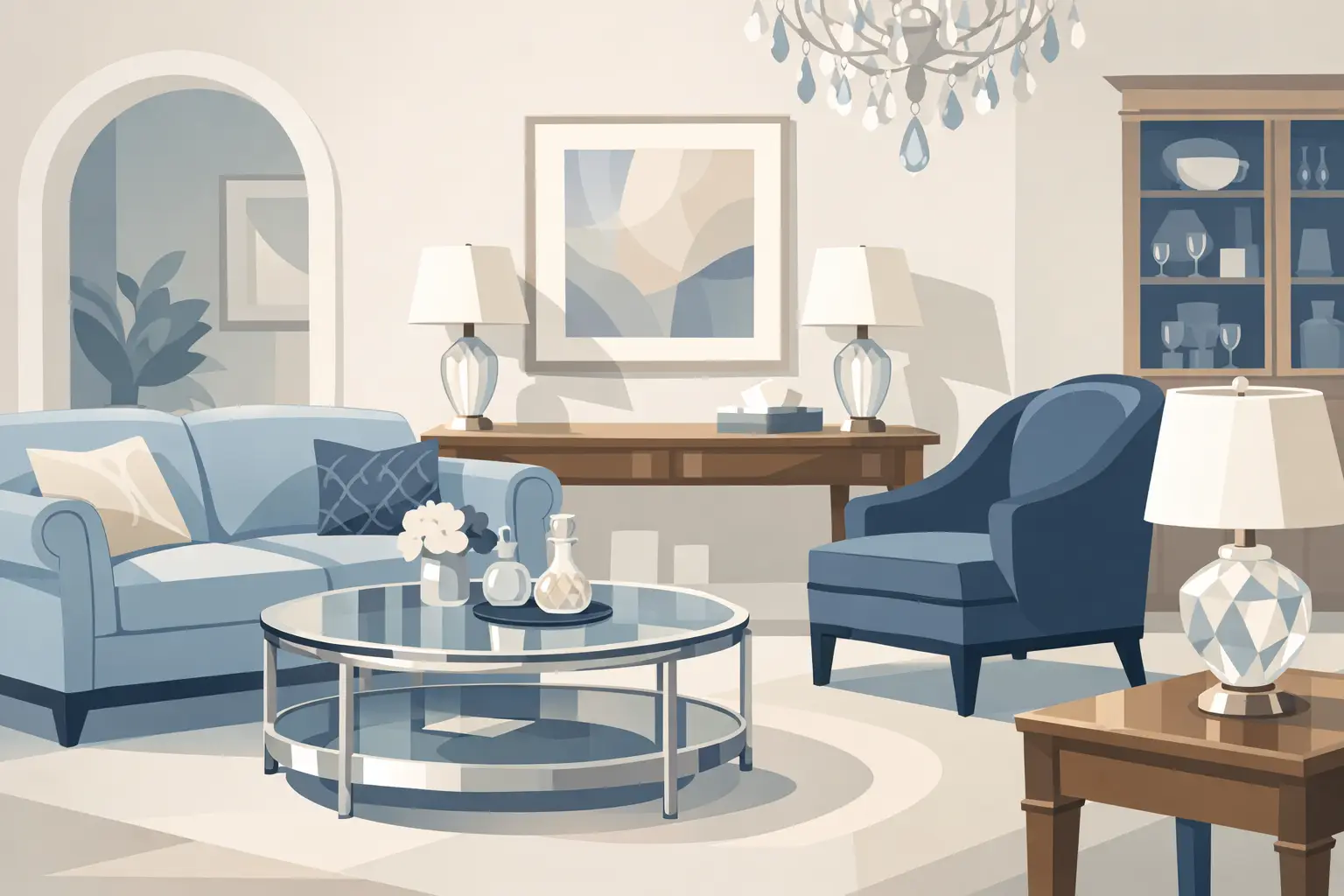
In drawing rooms and reception spaces, these fabrics can become the visual hinge of the scheme. A sofa upholstered in a textural weave or a pair of statement chairs in a more graphic print can anchor the room and establish a design language that carries through to rugs, wallcoverings and accessories. Because many of the patterns have strong visual identity, they are often most effective when given space to breathe.
Bedrooms call for a slightly different hand. Here, Christopher Farr Cloth fabrics can be used to create intimacy rather than drama. An upholstered headboard, a softly tailored bench or elegant curtains in a gently structured cloth can bring tactility and calm while still introducing a cultivated point of view. The appeal lies in their ability to feel luxurious without becoming predictable.
Dining rooms, libraries and studies are often where the more characterful side of the collection comes into its own. These are rooms that benefit from design tension – spaces that can hold richer tones, more pronounced geometry or stronger contrast. Used on dining chairs, roman blinds or panelled walls, the right fabric can make these rooms feel composed, layered and memorably individual.
Upholstery, drapery and beyond
Not every luxury fabric performs equally well across every application, and this is where thoughtful specification matters. Some Christopher Farr Cloth fabrics are ideal for upholstery, especially where texture and durability need to sit together. Others come into their own as drapery, where movement, light filtration and pattern repetition can be properly appreciated.
There is also a growing appetite for using decorative textiles in more tailored ways – on screens, wall panels, ottomans and bespoke joinery inserts. This approach suits Christopher Farr Cloth particularly well. Many of the designs have enough presence to act almost as an artwork within the room, especially when framed by clean architectural lines.
Colour, texture and the quiet power of materiality
Luxury interiors are rarely defined by price alone. They are defined by material intelligence – by the subtle interaction between matte and sheen, softness and structure, depth and clarity. Christopher Farr Cloth fabrics speak to this sensibility with considerable confidence.
Colour within the collection tends to feel deliberate rather than decorative for its own sake. Even when the palette is bolder, there is usually an underlying sophistication that keeps it from becoming strident. Earthy neutrals, mineral blues, softened terracottas, chalky whites and more emphatic accents all have a place, but they are handled in a way that feels cultivated. This allows the fabrics to sit comfortably in both contemporary and more transitional interiors.
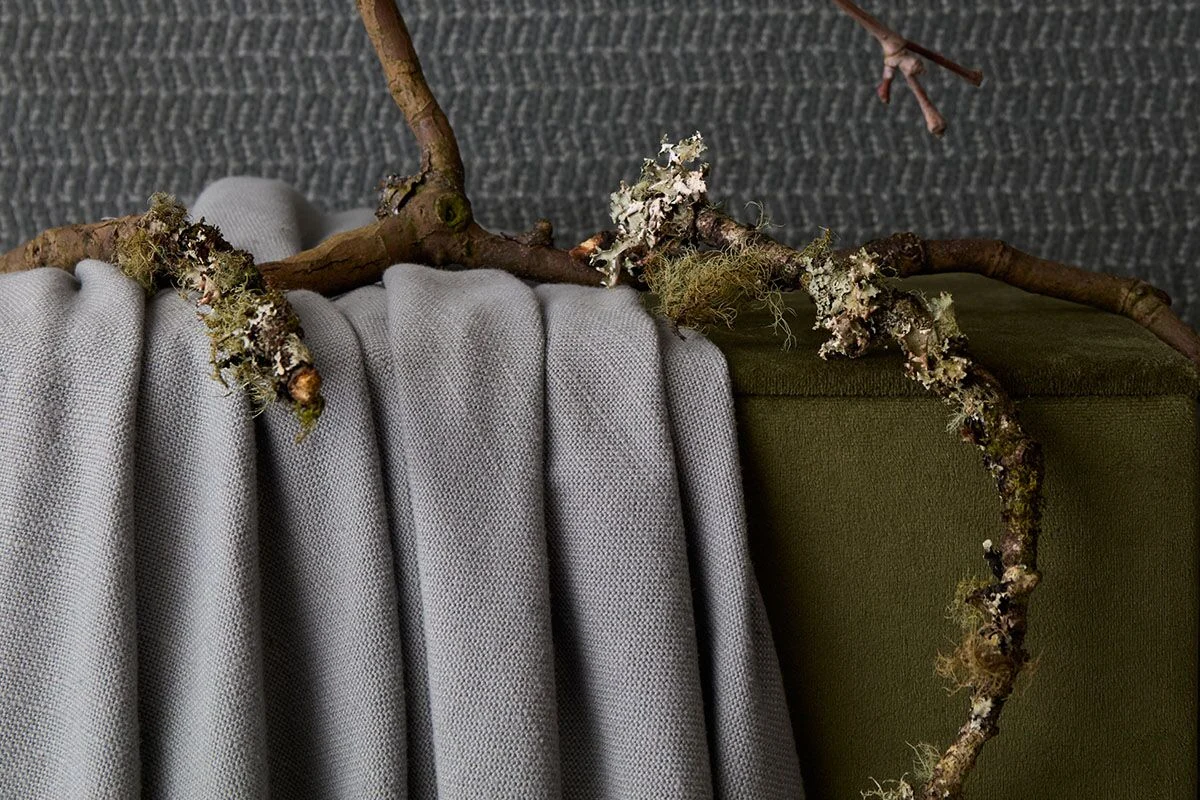
Texture is equally important. In refined spaces, texture often does the work that excessive pattern once did. A tactile weave, a dry linen character or a subtly uneven surface can make a room feel layered and complete, even when the palette is restrained. Christopher Farr Cloth understands this well. The fabrics often reward close attention, revealing nuance in hand and construction that may not register at first glance but becomes essential to the room over time.
How to pair Christopher Farr Cloth fabrics with other luxury finishes
The most successful schemes are not built around a single beautiful object. They come together through relationships – between textile and timber, lighting and line, wall finish and scale. Christopher Farr Cloth fabrics are especially useful in this respect because they tend to pair well with natural and architectural materials.
Against travertine, pale oak, smoked glass or brushed metals, these textiles can soften the environment and bring warmth without diluting the sophistication of the scheme. In rooms with stronger architectural detailing, they offer a welcome counterpoint, introducing movement and softness to more structured surfaces.
Pattern pairing, however, needs judgement. A fabric with a strong graphic identity does not always need a competing wallpaper or highly figured rug beside it. Sometimes the more luxurious decision is restraint. Let the textile lead, then support it with quieter companions – a bouclé with a dense hand, a plain linen with subtle slub, or a carefully chosen trim that sharpens the finish without crowding the composition.
When a bolder fabric is the right choice
There is a tendency in premium residential design to equate understatement with safety. They are not the same thing. A bolder Christopher Farr Cloth fabric can be exactly the right move in an otherwise disciplined scheme, particularly in homes that need personality as much as polish.
The key is placement. A statement fabric on a single hero piece, or concentrated within one architectural zone, often has more impact than scattering pattern lightly across the entire room. This approach preserves the integrity of the design while still allowing the textile to create drama and memorability.
What discerning clients should consider before specifying
The appeal of a fabric in a showroom setting is one thing. How it performs within a finished interior is another. Scale, natural light, room orientation and use all influence whether a textile will feel resolved once installed.
Large-scale pattern can look magnificent on generous upholstery or wide curtains, but in a smaller room it may require more discipline in the surrounding palette. Equally, a subtle woven fabric that feels quiet on a hanger can become extraordinarily elegant when used across multiple surfaces. This is why sampling matters, and why luxury interiors benefit from a designer’s eye.
Practicality should also be handled honestly. Some rooms demand resilience – family sitting rooms, high-use dining areas, hospitality spaces. Others allow for a more decorative and delicate choice. Christopher Farr Cloth fabrics span both moods, but the specification should always suit the life of the room, not just the image of it.
For clients seeking an elevated, globally informed interior, this is where curation becomes essential. At Tobias Oliver Interiors, collections such as Christopher Farr Cloth sit within a broader conversation around furniture, lighting, wallcoverings and finishing details, allowing each textile choice to feel intentional rather than isolated.
Christopher Farr Cloth fabrics and timeless interiors
Timelessness is often misunderstood as neutrality. In reality, the most enduring interiors are not bland. They have conviction. They make selective, intelligent choices and trust quality over novelty. Christopher Farr Cloth fabrics support this approach because they are expressive without being transient.
They bring artistic sensibility into the home in a way that feels lived with rather than staged. They can sharpen a contemporary flat, warm a substantial country house or add cultural texture to an international residence that needs more than generic luxury. Their value lies not only in how they look on installation day, but in how they continue to enrich the atmosphere of a room over years of use.
The most memorable interiors are usually the ones where every layer feels considered, and fabric is often the layer that makes that consideration visible. Choose well, and it does not merely finish a room. It gives it a voice.

13th June, 2026

12th June, 2026