A beautifully made room should reveal more with time: the hand of a maker in a bronzed finish, the depth of a handwoven rug, the soft irregularity of linen against polished timber. The most compelling luxury interior design trends 2026 are moving firmly in this direction. Rather than pursuing novelty for its own sake, they favour interiors with emotional gravity, practical comfort and a point of view.
For homeowners investing in a penthouse, country house or long-held family residence, this is welcome news. The aim is not to assemble a room from recognisable pieces, but to shape an environment that feels collected, deeply personal and quietly assured. Scale, light, material and craftsmanship matter more than an instantly identifiable look.
Luxury interior design trends 2026: a richer, quieter language
The pared-back interiors of recent years have evolved. Calm remains desirable, but sterile restraint does not. In 2026, luxury is expressed through subtle contrast: a tailored sofa with a sculptural occasional chair; a chalky plaster wall beside a high-gloss lacquered cabinet; an antique bronze lamp on a contemporary stone console.
This is not maximalism in the decorative sense. It is a more mature form of layering, where every element earns its place. Rooms are warmer, more dimensional and less dependent on a single trend-led palette. A well-considered scheme can comfortably combine European modernism, artisan craft and a trace of theatricality, provided the proportions are disciplined.
The result should feel composed rather than decorated. Luxury lies in the confidence to leave breathing space around a beautiful object, and in the knowledge that the room will continue to evolve gracefully.
Materiality becomes the principal decoration
Texture is taking on the role once reserved for pattern and colour alone. Travertine, honed marble, brushed oak, parchment, linen, mohair, wool bouclé and hand-finished metals bring visual interest without demanding attention. Their appeal is sensory as much as aesthetic: they invite touch, soften acoustics and make a room feel inhabited.
The strongest schemes place materials in conversation. Consider the dry, mineral quality of a limewashed wall offset by a silk-and-wool rug, or the warmth of walnut paired with the coolness of alabaster. The intention is not to match finishes, but to create a measured tension between them.
This approach also gives a room greater longevity. Natural materials develop patina, while superbly crafted pieces retain their relevance as tastes shift. There is, however, a practical consideration. Porous stone, pale upholstery and richly textured wallcoverings require appropriate placement and care. In a busy family kitchen or sun-drenched drawing room, performance fabrics and more resilient finishes may be the wiser expression of luxury.
Sculptural lighting shapes the atmosphere
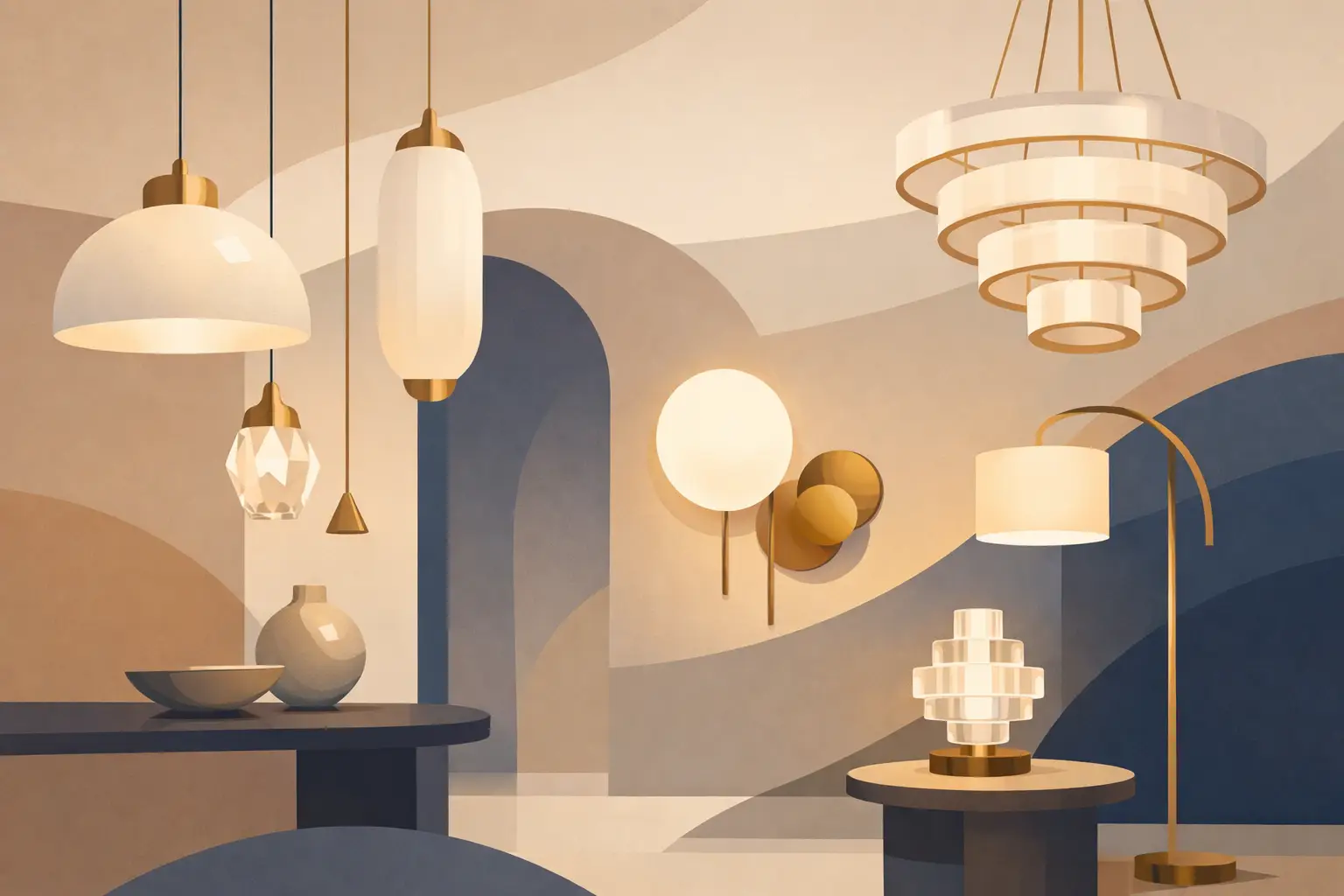
Lighting is increasingly treated as collectible design, not a technical afterthought. A statement chandelier or an expressive table lamp can set the entire emotional register of a space, bringing softness to architectural lines and drama to an otherwise restrained room.
In 2026, expect to see more sculptural ceramic, plaster, hand-blown glass and aged-metal lighting, often with imperfect, artisanal profiles. Decorative lighting is being layered with greater precision too: a central pendant establishes presence, wall lights create intimacy, while portable lamps and shaded table lamps introduce pools of warmth at eye level.
The most successful lighting plans resist uniform brightness. They allow a room to change character from morning to evening, and they make artwork, textiles and joinery appear more considered. In larger spaces, scale is essential. One undersized fitting can diminish an impressive ceiling height, while an oversized piece needs enough visual quiet around it to make its intended impact.
Rooms designed around ritual, not display
A significant shift within luxury interior design trends 2026 is the return to rooms that serve daily life with elegance. Formal spaces are no longer expected to remain untouched, and open-plan rooms are being gently recalibrated into distinct zones for reading, dining, conversation and retreat.
This does not necessarily mean building more walls. A generous rug, a low bookcase, a screen upholstered in fabric or a change in lighting can define a setting without compromising flow. In a principal living room, two seating groups may be more inviting than one oversized arrangement directed at a television. In a bedroom, a well-proportioned chair and reading lamp can make the space feel like a private suite rather than simply a place to sleep.
The trend reflects a broader desire for homes that support restoration. There is renewed value in the library corner, the dressing room, the breakfast banquette and the deeply comfortable guest bedroom. These spaces shape experiences because they acknowledge how people actually live, entertain and recover from the pace of modern life.
Colour gains depth and restraint
The all-neutral interior has given way to nuanced colour, though the palette remains cultivated rather than loud. Earthy tobacco, oxblood, moss, aubergine, clay, inky blue and softened saffron are appearing alongside enduring tones of stone, ivory and warm grey. The effect is enveloping, especially in rooms with limited natural light.
Colour works best when it has a material anchor. A deep green wallcovering becomes more sophisticated when echoed in the veining of a marble side table or the thread of a cushion fringe. A muted red can feel contemporary in a lacquered finish, but more intimate when introduced through velvet or woven wool.
For clients who prefer a quieter base, colour need not be applied wall to wall. A lined curtain, upholstered headboard, patterned blind or pair of distinctive lampshades can introduce character while keeping a scheme flexible. This is particularly effective in properties where original architecture should remain the focal point.
Pattern returns with discernment
Pattern is re-emerging, especially in textiles and wallcoverings, but it is being used with greater confidence and less repetition. A large-scale botanical, a geometric weave or a hand-blocked stripe can bring narrative to an otherwise tailored interior. The key is to select designs with depth of colour and a sense of craft, rather than relying on surface novelty.
In a formal sitting room, patterned curtains may provide the starting point for the entire composition. Elsewhere, a small upholstered stool, a border on a Roman blind or a contrasting piping can deliver a more discreet note. The choice depends on architecture, daylight and the client’s appetite for expression.
Layering patterns demands an experienced eye. Varying the scale is usually more effective than coordinating every motif, and one strong pattern often has greater authority than several competing ones. A room should tell a story, not become a catalogue of decisions.
Collectible character over uniform perfection
The luxury home of 2026 is less interested in total coordination. Bespoke joinery remains invaluable, particularly where proportion and storage demand a tailored response, but it is increasingly balanced with pieces that possess individuality: a carved mirror, an expressive console, a vintage chair reupholstered in a contemporary textile, or decorative objects with a sense of provenance.
This desire for character is partly a response to the sameness created by fast interiors. Clients are looking for objects that evoke emotion and retain a human presence. A hand-applied finish, a slight variation in glaze or the richness of natural timber grain makes a room feel less manufactured.
That does not mean every element should be rare or visibly expensive. The enduring value lies in editing. A few exceptional pieces, selected for beauty and construction, have more impact than a room crowded with luxury signifiers. Curated collections of decorative accessories, art books and ceramics should feel like the owner’s own discoveries, not an arrangement completed in one afternoon.
Bespoke detail carries the scheme
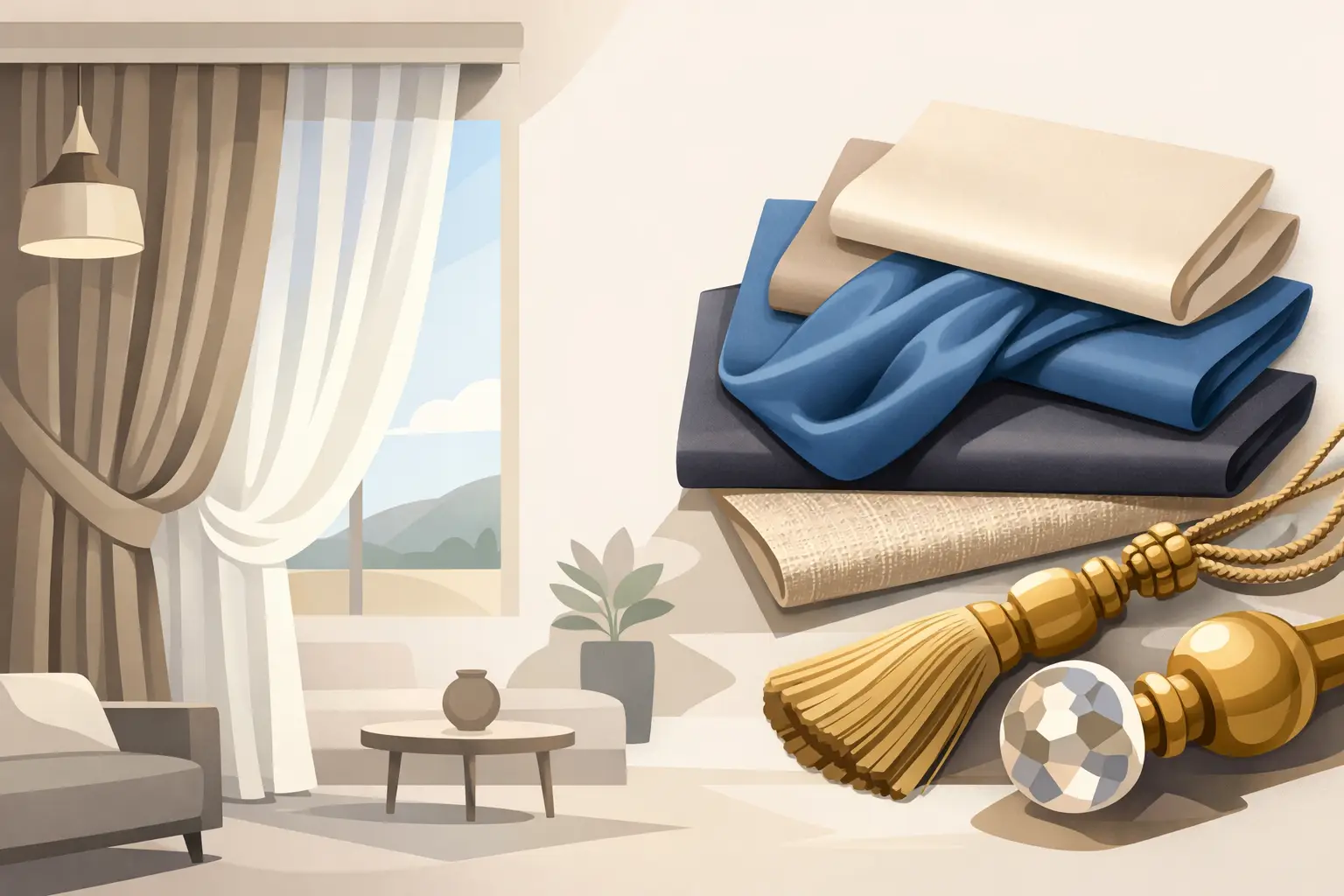
Trimmings, passementerie, contrast welts, tailored skirts and finely considered hardware are becoming increasingly important. These are the quiet details that distinguish a custom interior from an off-the-shelf one. A simple linen curtain can be transformed by an elegant leading edge; a headboard gains presence through its outline and upholstery technique; cabinetry becomes more personal with beautifully weighted pulls.
Such details require restraint. Too much embellishment can make a contemporary setting feel contrived. Used selectively, however, they bring rhythm, refinement and the sense that every finish has been considered from every angle.
For a home to feel genuinely luxurious in 2026, it need not follow every visual cue described here. Begin with the way you want each room to make you feel, then invest in the materials, lighting and craftsmanship that will deepen that feeling year after year.

3rd August, 2026

2nd August, 2026