





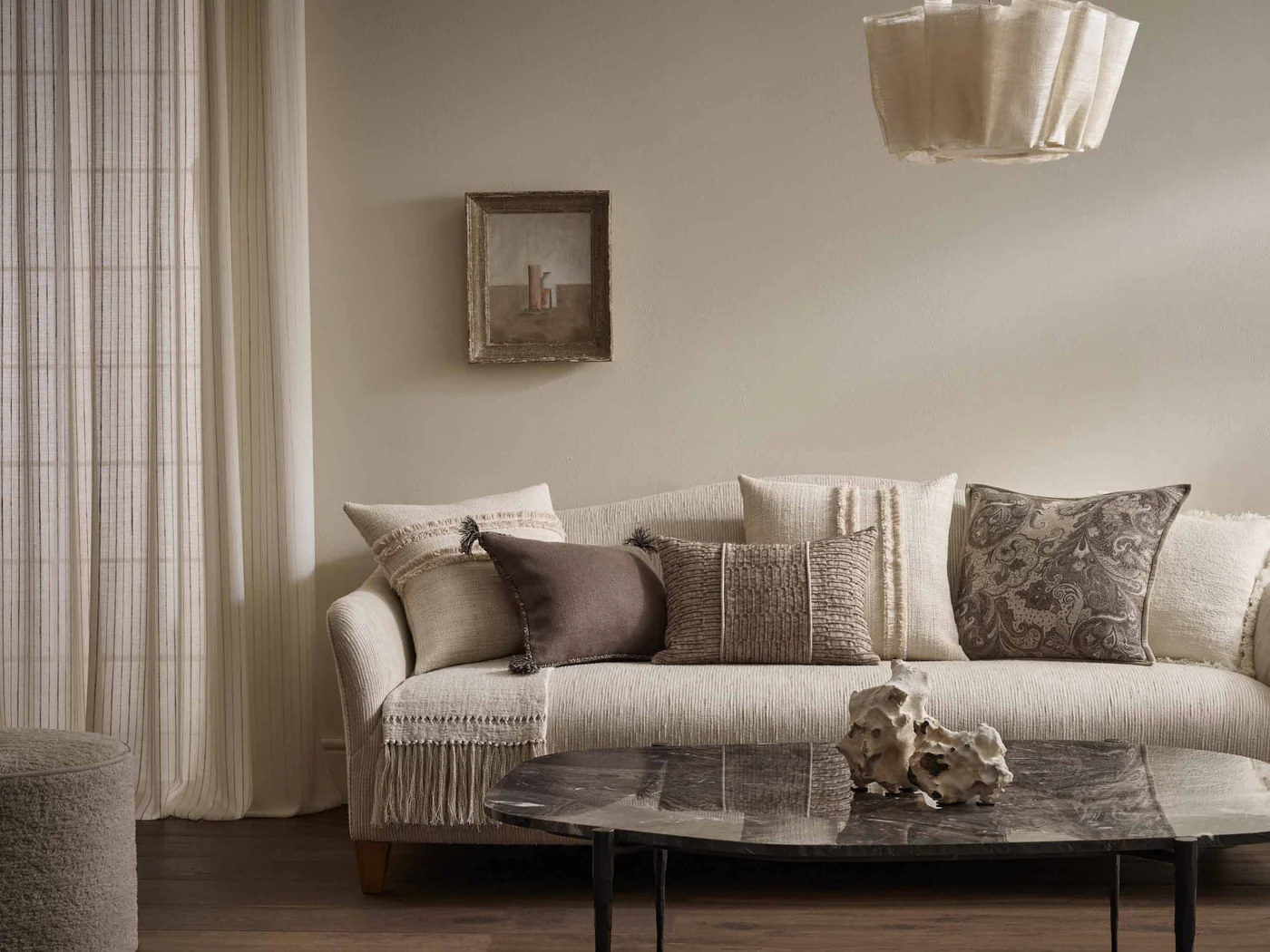
Some fabrics sit neatly in a scheme. de Le Cuona fabrics tend to define it. They bring a particular kind of quiet authority – tactile, assured and deeply considered – that changes how a room feels before you have even registered the individual pieces within it.
That distinction matters in luxury interiors, where the most successful spaces are rarely driven by ornament alone. They are shaped through materiality, proportion and atmosphere. de Le Cuona has built its reputation on exactly that sensibility, creating textiles that feel elevated without appearing overworked and luxurious without ever becoming ostentatious.
What sets de Le Cuona fabrics apart
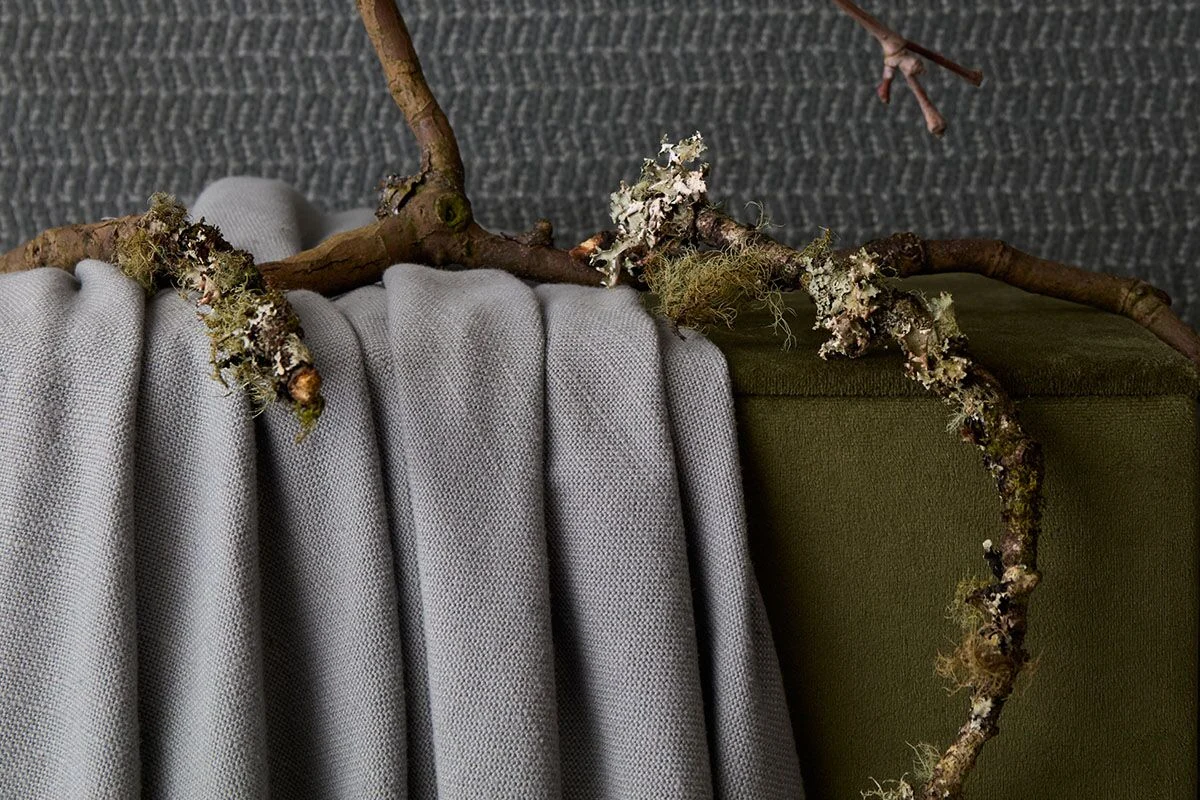
There are many fabric houses producing beautiful textiles, but de Le Cuona occupies a particular place within the design world. The collection is known for natural fibres, nuanced colour, artisanal finishes and a slightly undone elegance that feels both cultivated and effortless. Rather than chasing decorative excess, the brand leans into character – slubby linens, washed textures, rich wools and quietly complex weaves that reward close attention.
This is not luxury in a glossy, formal sense. It is luxury that feels lived with and deeply tactile. A curtain that falls with a relaxed generosity. An upholstery cloth that softens a sharp architectural line. A sheer that filters light in a way that makes a room feel composed rather than merely dressed.
The appeal lies partly in restraint. de Le Cuona fabrics rarely ask to be the loudest element in a room, yet they often become the detail clients remember. That is the mark of mature design – confidence without strain.
The de Le Cuona fabrics aesthetic
At the heart of the collection is an earthy sophistication. Colours tend to draw from landscape rather than trend forecasting – chalk, flax, stone, bark, sand, soot, moss, charcoal and mineral tones that layer beautifully into contemporary interiors. Even where the palette moves deeper or warmer, there is usually a grounded quality to it.
This makes the fabrics particularly compelling for homes that favour timelessness over novelty. In a penthouse with clean architectural lines, they add softness and depth. In a country house, they can amplify a sense of ease and authenticity. In a coastal or rural setting, they often feel instinctively right because their texture sits so comfortably alongside timber, plaster, metal and stone.
There is also a subtle tension in the de Le Cuona aesthetic that designers value. The fabrics are polished, but not pristine. Refined, but not precious. That balance allows a room to feel complete without becoming stiff. For clients who want interiors that evoke emotion and still support everyday living, that is a meaningful advantage.
Why texture matters more than pattern
In high-end residential design, pattern has its place, but texture often carries greater long-term value. Pattern can date a room or dominate it too quickly. Texture tends to age more gracefully, especially when it comes from honest materials and skilled weaving.
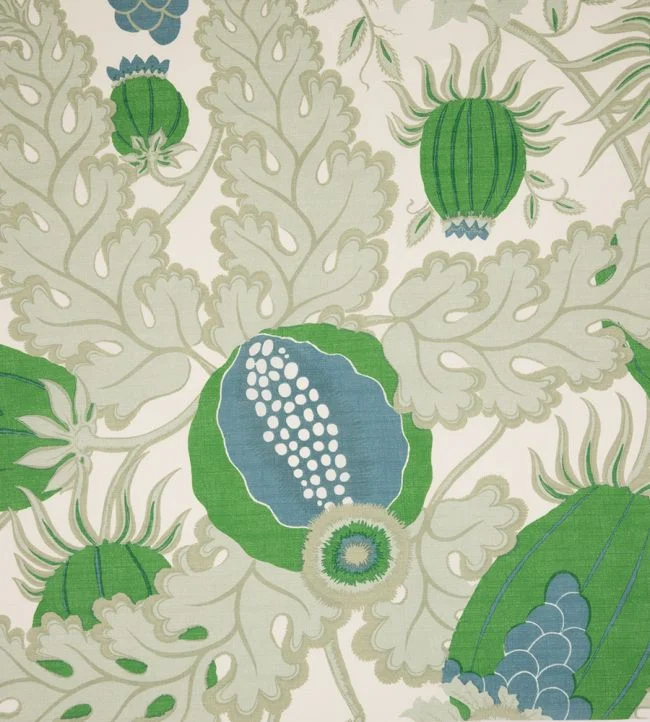
This is one of the reasons de Le Cuona fabrics continue to resonate. Much of their beauty comes from surface variation, weight and touch rather than obvious decorative motifs. A washed linen with irregularity in the yarn. A cotton wool paisley with sculptural depth. A wool that absorbs light rather than reflecting it harshly. These are details that create richness in a quieter, more architectural way.
Texture also makes layering easier. In a sophisticated scheme, the most interesting rooms usually combine multiple materials that sit in conversation with one another. Think linen drapery against limewashed walls, jacquard woven pocket cloth alongside dark timber, or a tactile headboard offset by crisp bedding and burnished metal lighting. de Le Cuona fabrics lend themselves to this kind of composition because they offer complexity without visual noise.
Where de Le Cuona fabrics work best
Their versatility is one of their greatest strengths, but they are especially effective in spaces where atmosphere matters as much as function.
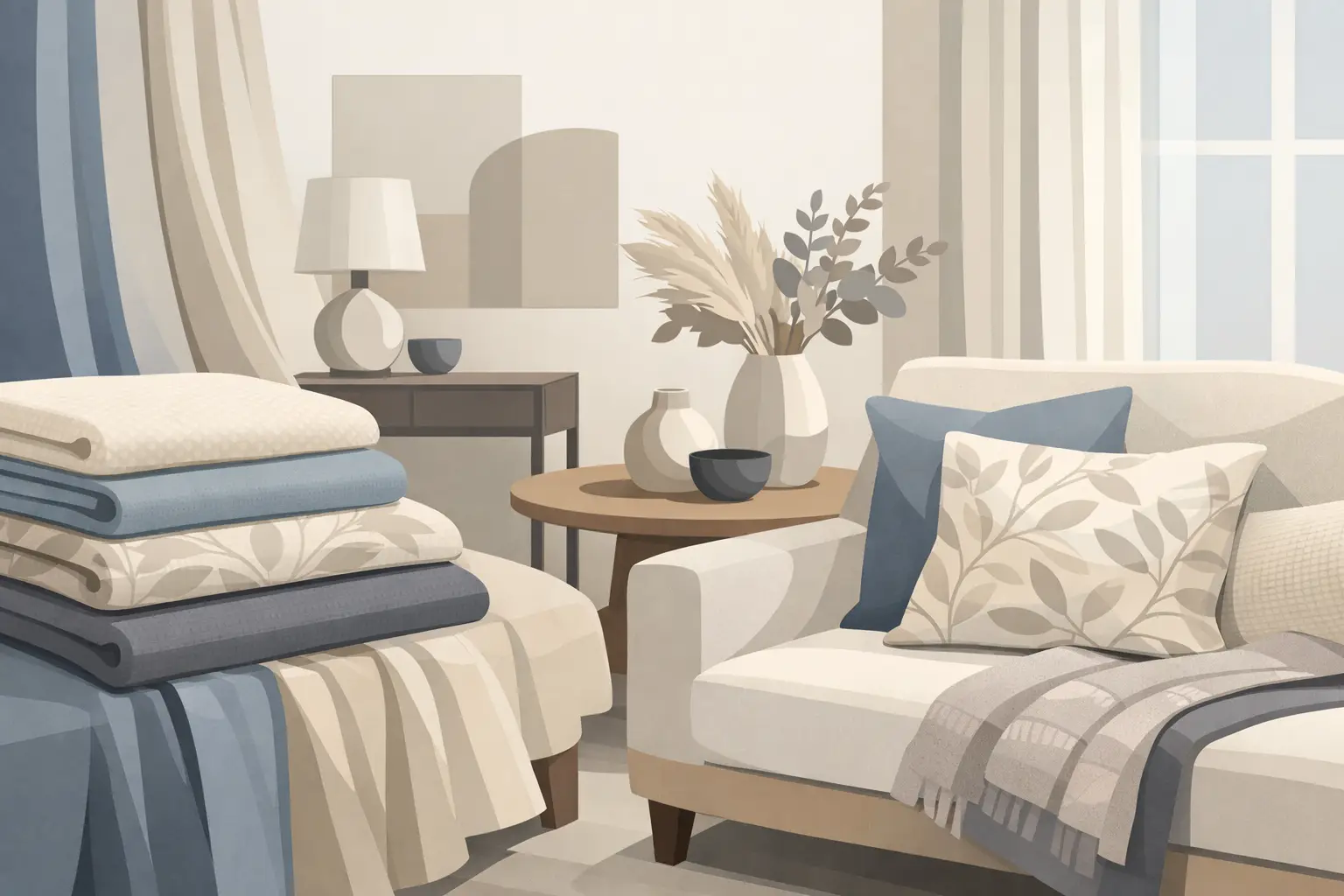
In living rooms, they excel on generous curtains, relaxed upholstery and cushions that add tonal depth. The right de Le Cuona linen can soften a formal room and make a pared-back room feel complete. Bedrooms are another natural setting, particularly where the aim is calm rather than decoration for its own sake. Upholstered headboards, bed valances, window treatments and benches benefit from the collection’s softness and natural character.
Dining rooms can be a more nuanced choice. If the room is used often, practicality needs to sit alongside beauty. Some fabrics will suit occasional seating better than daily family use, particularly paler linens with more open weaves. In these cases, guidance matters. A design-led scheme should still respect how a household actually lives.
For hospitality settings and second homes, de Le Cuona fabrics can be especially powerful because they create an immediate sense of comfort and place. They do not feel generic. They feel considered, which is exactly what discerning guests and homeowners tend to notice.
The practical side of choosing luxury fabric
A fabric can be exquisite and still be wrong for the application. That is where specification becomes crucial.
Natural fibres are central to the appeal of de Le Cuona, but natural fibres come with characteristics that should be understood rather than corrected away. Linen creases. Some weaves may soften and relax over time. Certain shades can show wear or marking more readily in high-traffic areas. None of this diminishes their value – it simply means they are best selected with honesty and intention.
For curtains, drape and light filtration are often more important than abrasion resistance. For upholstery, durability, construction and room usage take priority. A formal drawing room and a family snug require very different decisions, even if the aesthetic brief sounds similar on paper.
This is why the best results rarely come from choosing purely by colour swatch. Scale, light, use, lining, rub count, handle and finish all influence the outcome. In luxury interiors, fabric should not only look right on day one. It should continue to sit beautifully within the life of the home.
How designers use de Le Cuona fabrics well
The strongest schemes tend to resist the temptation to over-style these textiles. de Le Cuona fabrics do not need excessive trimming or complicated layering to prove their worth. In fact, they are often at their best when allowed to speak through proportion and placement.
A full-height curtain in a beautifully weighted linen can transform a room more effectively than a busier treatment with unnecessary detail. A single textured upholstery fabric across a well-shaped sofa can feel more luxurious than several competing patterns. The point is not minimalism for its own sake. It is precision.
Designers also use these fabrics to bridge architectural contrast. In newer properties, they can temper hard edges and introduce warmth. In period homes, they can prevent heritage features from feeling overly formal or heavy. That flexibility explains why the collection appears so often in interiors that feel both current and enduring.
At Tobias Oliver Interiors, de Le Cuona often sits naturally within broader schemes that balance sculptural lighting, contemporary furniture and layered textiles. It works because the fabrics hold their own while still supporting the larger design story.
Is de Le Cuona right for every project?
Not always, and that is part of the answer. If a project calls for high-drama pattern, high-shine glamour or a more overtly decorative finish, another textile house may be the stronger choice. If a client wants every surface to feel pristine and tightly controlled, the relaxed character of washed natural fibres may not align with that vision.
But for clients drawn to understated sophistication, material honesty and rooms that feel collected rather than contrived, de Le Cuona is often a compelling fit. It speaks to those who understand that luxury is not only about rarity or price point. It is about how something settles into a space and continues to give pleasure over time.
That endurance is perhaps the real reason the brand remains so respected. Trends move quickly. Truly refined textiles do not need to. The right fabric should shape experience quietly – catching the light in the morning, softening sound in the evening, and making a room feel more like itself with every passing year.
If you are choosing fabric for a home that is meant to last, de Le Cuona offers something more valuable than novelty. It offers atmosphere, integrity and a kind of beauty that becomes more convincing the longer you live with it.
See our luxury country house project and view the beautiful de Le Couna Isabella Marble window treatments.

25th July, 2026

24th July, 2026