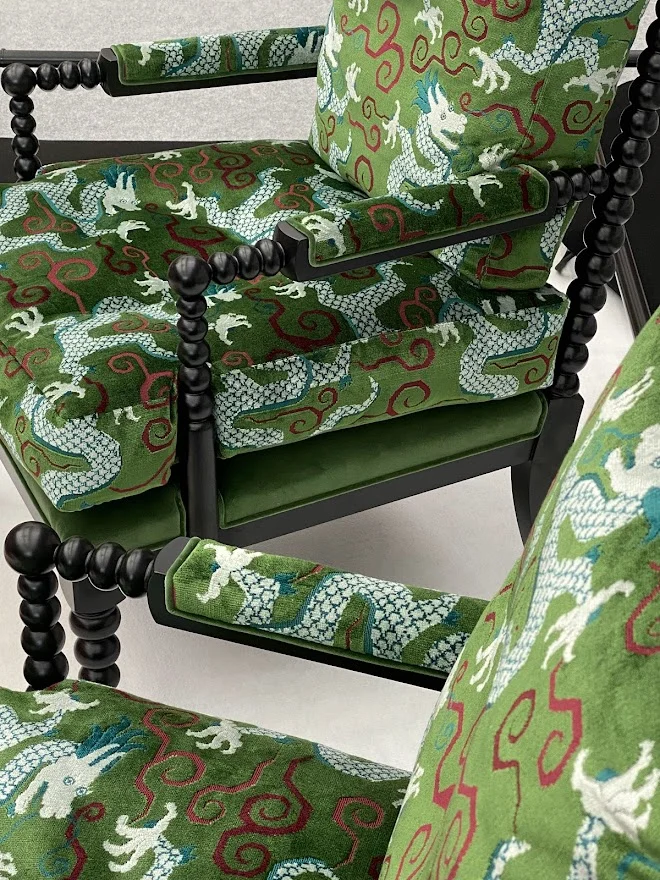
A sofa can be beautifully made, a dining table can have impeccable provenance, and a chair can be compelling in isolation. Yet a room still fails when those pieces do not speak to one another. A curated furniture sourcing service exists to prevent precisely that outcome: it brings discernment to the thousands of available choices, shaping a considered interior rather than simply filling a space.
For a penthouse with far-reaching views, a country house with architectural history, or a newly acquired family home, furniture should do more than satisfy a practical requirement. It should establish rhythm, create comfort, and evoke the character of the people who live there. The most successful schemes feel effortless, but that ease is the result of exacting decisions.
What a Curated Furniture Sourcing Service Delivers
Furniture sourcing is often misunderstood as product procurement. In its most valuable form, it is a design process informed by proportion, materiality, craftsmanship and the realities of daily life. It begins by understanding how a room is used, how light moves through it, what the architecture asks for, and what atmosphere the client wishes to create.
The outcome is not a generic selection of recognisable luxury names. It is a coherent composition of pieces chosen for their relationship to one another. The height of an occasional chair may answer the line of a fireplace; the scale of a console may bring order to a generous entrance hall; the timber finish of a dining table may draw out a quiet note in the flooring or wallcovering.
A specialist also considers the elements that are less visible at first glance. Seat depth, arm height, circulation routes, door clearances and the practical demands of households all matter. A low, sculptural sofa may suit a formal drawing room, but it may not be the right choice for a space intended for long evenings with family and guests. Luxury is most convincing when it is lived with easily.
Curation Is More Than Access
Access to an extensive portfolio is useful, but it is not curation. The distinction lies in judgement. A well-sourced interior does not rely on a single aesthetic or a room filled with pieces from one collection. Instead, it balances established design language with unexpected details, allowing craftsmanship and personality to emerge without visual noise.
This may mean pairing the architectural glamour of a statement cabinet with the quiet tactility of hand-finished upholstery, or placing a contemporary bronze occasional table beside an inherited piece that carries family history. The aim is not to make every item announce itself. It is to create a room with depth – one that reveals more over time.
For clients with demanding schedules, this level of discernment also saves significant time. Rather than reviewing endless options with uncertain quality, lead times or suitability, they are presented with a focused direction. Each recommendation has a reason for being there, whether it resolves a spatial challenge, strengthens the narrative of the scheme, or introduces a material that will age beautifully.
The Value of Global Design Perspective
Exceptional furniture rarely belongs to one place or one period. A globally informed approach makes it possible to source pieces with distinct points of view: Italian silhouettes with sculptural assurance, British-made upholstery with enduring comfort, French decorative refinement, or artisanal finishes that bring a human hand to a contemporary setting.
This breadth is particularly valuable for homes that should feel personal rather than showroom-led. A residence in London may call for the tailored restraint that suits its architecture, while a villa in the Middle East may invite richer texture, stronger scale and a more expressive approach to lighting and decorative furniture. Neither should be treated as a formula.
At Tobias Oliver Interiors, a design-led portfolio allows furniture to be considered alongside designer lighting, rugs, fabrics, wallcoverings and trimmings from the outset. That wider viewpoint matters. A dining chair is never only a dining chair when it must sit against a particular wall finish, beneath a feature light, and alongside a table that anchors the entire room.
Provenance, Quality and Longevity
In premium interiors, value is not defined by price alone. It is found in quality of construction, integrity of materials and a piece’s capacity to retain its relevance. A beautifully proportioned sofa with a durable hardwood frame and expertly upholstered cushions will earn its place for years. A cabinet with carefully resolved joinery and a finish that develops character with use offers a different kind of luxury from something merely new.
This is where provenance becomes meaningful. Knowing who made an item, how it was produced, and whether it can be specified in the correct finish or fabric gives clients confidence in their investment. It also helps avoid costly compromises, particularly when a project involves bespoke dimensions, complex access, or a precise palette.
Longevity does not mean designing without pleasure or personality. It means choosing expressive pieces with enough integrity to outlast a passing trend. A room can be contemporary without being disposable. In fact, the most memorable interiors often combine a sense of the present with objects that appear as though they could have always belonged there.
How the Sourcing Process Shapes a Better Home
A considered process starts with a conversation rather than a catalogue. The initial brief should cover aesthetic preferences, but also routines, entertaining habits, collections, pets, children, existing pieces and future plans for the property. These details influence the selection as much as a preferred colour or reference image.
From there, furniture is assessed in relation to the whole scheme. Space planning confirms what the room can genuinely accommodate. Material samples reveal how a finish behaves in natural and artificial light. Upholstery options are considered not only for colour, but for texture, resilience and the way they will sit beside curtains, rugs and cushions.
Lead times deserve early attention, especially for bespoke furniture and large-scale projects. The finest choice may not be the right choice if it cannot be delivered in time for installation, while an available alternative should never feel like an afterthought. Experienced sourcing weighs both creative ambition and programme realities, keeping the project moving without diluting its point of view.
There are occasions when a ready-made piece is exactly right, and others when bespoke is essential. Bespoke is valuable when a room has unusual proportions, when a finish must be precisely matched, or when a client wants something that cannot be replicated elsewhere. It is not automatically superior. The best decision depends on the room, the brief and the degree of individuality required.
A Layered Approach to Investment
Not every item in a home needs the same level of visual or financial emphasis. It is often wise to invest most heavily in the pieces that anchor daily life: the sofa, dining table, bed, key lighting and principal storage. These establish comfort, scale and permanence.
Around them, occasional furniture and decorative accessories can bring flexibility and a more immediate expression of taste. This layered approach leaves room for the home to evolve. A well-curated interior should not feel frozen on installation day; it should continue to absorb art, books, objects and memories with grace.
The same principle applies to visual drama. A single extraordinary piece can transform a room, but several competing statements can flatten it. Restraint gives craftsmanship room to be seen. It also creates the calm that many clients seek after a day spent in demanding, highly connected environments.
Furniture That Tells a Personal Story
The strongest interiors do not follow a prescribed style. They are composed around the people who inhabit them. A client who collects contemporary art may need furniture that provides a quiet architectural backdrop. Someone who hosts large family gatherings may need generous seating that remains elegant under real use. A home filled with travel and inherited objects may call for furniture with warmth, texture and a certain collected informality.
That is the real purpose of thoughtful sourcing: to translate an individual way of living into a physical environment. It asks not simply what is beautiful, but what will make a home feel more composed, more comfortable and more distinctly its own.
Choose pieces that bring lasting pleasure, certainly, but also give them a setting in which they can matter. When furniture is selected with proportion, provenance and feeling in mind, each room gains the confidence to tell its story quietly and well.

10th September, 2026

9th September, 2026