A beautifully resolved home rarely begins with furniture. It begins with clarity. Before a single fabric is chosen or a lighting scheme is drawn, the most successful interiors are shaped by a considered sequence of decisions – each one building towards a home that feels composed, personal and enduring. This guide to residential interior design process is designed for homeowners who want more than a series of attractive rooms. They want a home with presence, ease and depth.
For discerning clients, the design process is not simply about decoration. It is about translating the way you live into material form. A penthouse may need to feel calm despite a dramatic city setting. A family house may need to balance elegance with resilience. A listed property may call for restraint in some rooms and bold contemporary contrast in others. The process matters because luxury is rarely accidental.
Why the residential interior design process matters
When a home feels effortless, it is usually because someone has paid close attention to proportion, movement, light, texture and use. The residential interior design process creates the framework for that attention. It protects the project from expensive hesitation, poorly judged purchases and rooms that look impressive in isolation but fail to work together.
This is especially important at the premium end of the market, where lead times are longer, craftsmanship is more specialised and the best results depend on coordination. Bespoke upholstery, artisanal wallcoverings, sculptural lighting and custom joinery all require foresight. If decisions are made out of sequence, the outcome can feel fragmented, however beautiful the individual pieces may be.
Stage one: defining the brief with precision
The opening stage is often underestimated. Clients may arrive with references, aspirations and a sense of what they are drawn to, but a strong brief goes further. It identifies how the home should function, what atmosphere each room should evoke and where investment matters most.
A principal suite might need to feel cocooning and private, while a drawing room may be intended for entertaining on a generous scale. A kitchen may need to support both formal hosting and weekday family life. These are not minor distinctions. They shape everything from circulation and seating depth to lighting levels and textile choices.
At this stage, a designer will also establish the visual language of the project. That does not mean fixing every detail too early. It means understanding whether the home leans towards architectural restraint, layered softness, European modernism, tailored classicism or something more eclectic. The point is direction, not rigidity.
Stage two: surveying the space and planning layout
No amount of taste can compensate for a room that is wrongly planned. Once the brief is defined, the next stage is to understand the architecture honestly. Ceiling height, natural light, window positions, sight lines and structural constraints all influence what is possible.
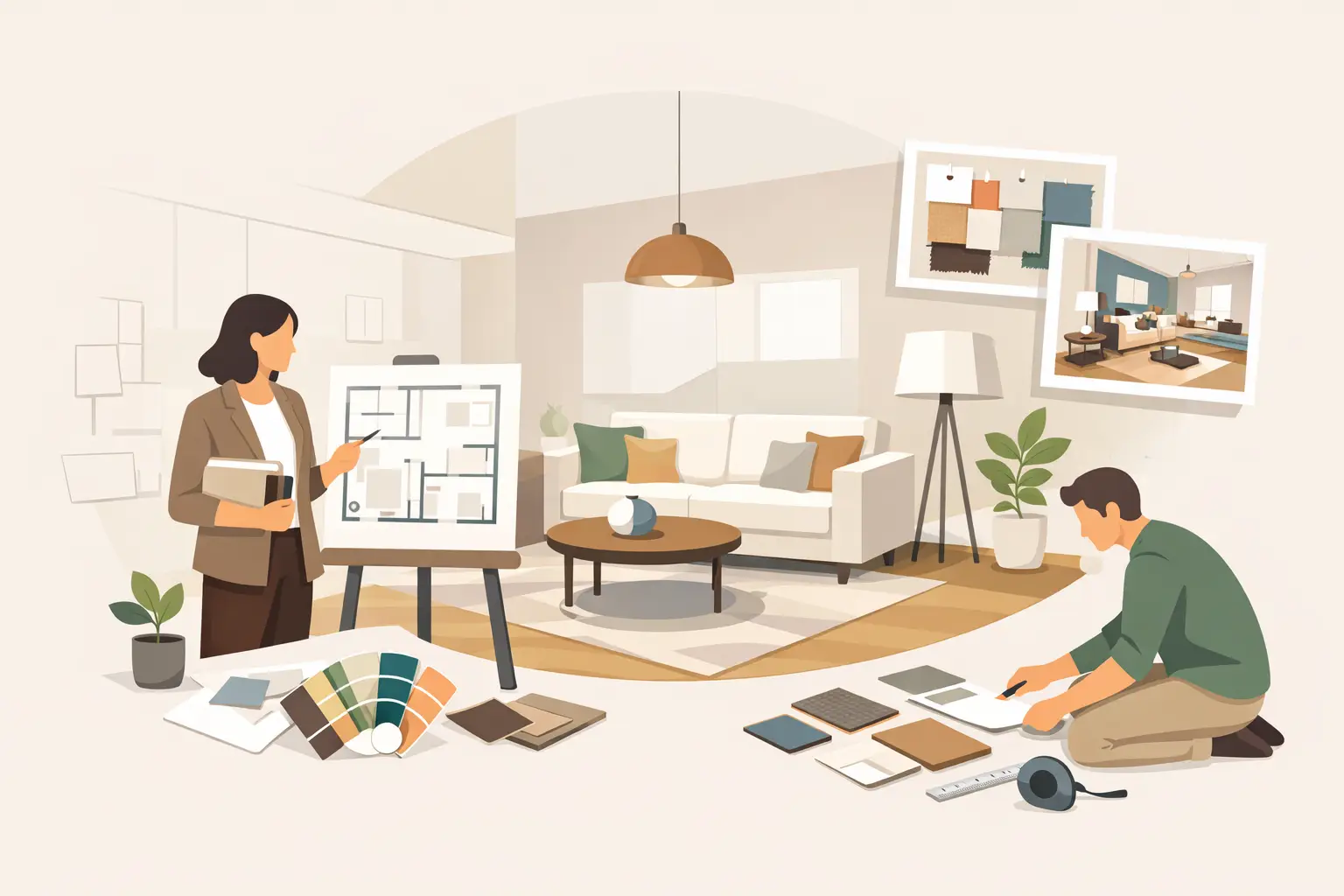
Space planning is where design begins to become tangible. Furniture layouts are considered in relation to scale, movement and use. In large rooms, the challenge is often intimacy. In compact city properties, it is usually flow and visual calm. A generous open-plan space may need subtle zoning, so dining, lounging and entertaining each feel distinct without breaking the room apart.
This is also the moment when clients begin to see why restraint can be as valuable as statement. Not every room benefits from more furniture, more pattern or more colour. Sometimes the most luxurious decision is to let proportion, finish and craftsmanship do the work.
Stage three: developing the concept and material palette
Once the spatial plan is resolved, the design concept deepens. This is where mood, materiality and narrative come together. Colours are refined, finishes are tested and key pieces begin to emerge.
In a well-composed scheme, materials should speak to one another. That might mean pairing smoked oak with bronze, boucle with polished plaster, or linen with alabaster and honed marble. Luxury interiors tend to rely less on obvious display and more on subtle relationships between surface, tone and light. The effect is richer and more lasting.
A strong concept also considers contrast. A room layered entirely in similar tones can feel elegant, but without variation in texture and form it may fall flat. Equally, too many expressive elements can compete for attention. This is where an experienced eye is invaluable. The aim is not to impress for a moment, but to create rooms that continue to reveal themselves over time.
Stage four: selecting furniture, lighting and textiles
This is often the stage clients anticipate most, yet it works best when grounded in the earlier decisions. Furniture should be selected not simply because it is beautiful, but because it belongs to the architecture and supports the intended way of living.
A sculptural console may anchor an entrance hall, but its scale must suit the approach and the sight line beyond. A dining table in travertine or dark timber can establish gravity in a room, but its finish will alter the atmosphere entirely. Seating should be judged with equal care. Formal silhouettes have their place, but comfort should never be sacrificed for posture.
Lighting deserves particular discipline. It is one of the most transformative elements in a home and one of the most mishandled. Decorative lighting creates focal points, but layered illumination is what makes a room truly liveable. Ambient, task and accent lighting should work together, allowing the space to shift from bright functionality to evening intimacy. In luxury residential projects, lighting is rarely just practical. It shapes emotion.
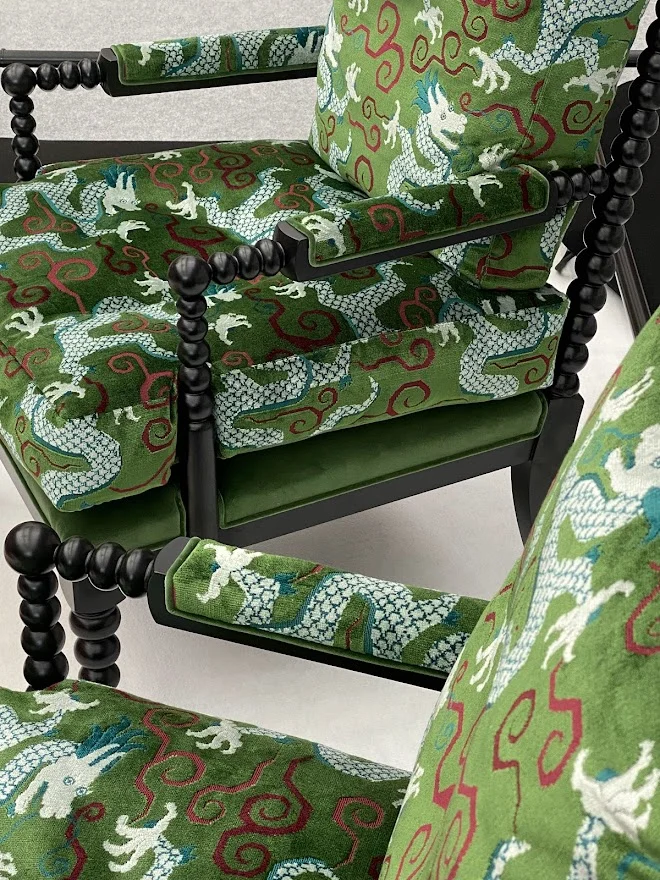
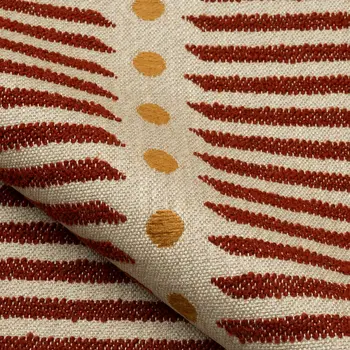
Textiles bring the scheme into its most tactile register. Linen, velvet, wool, silk blends and artisanal weaves soften architecture and introduce depth. Curtains, upholstery and cushions are not simply finishing elements. They alter acoustics, filter light and influence how formal or relaxed a room feels. The finest schemes use textiles with confidence but not excess.
Stage five: detailing and bespoke decisions
The difference between a good interior and an exceptional one often lies in the quieter choices. Joinery profiles, trim placement, edge details, lining fabrics, shadow gaps, stitch finishes and hardware selections may sound technical, but they carry aesthetic weight.
Bespoke pieces become particularly valuable here. A custom headboard can correct the proportions of a principal bedroom. A made-to-measure banquette may unlock the full potential of a difficult corner. Tailored window treatments can make ceilings appear taller or soften an austere envelope. These interventions are rarely flashy, yet they are often what gives a home its sense of inevitability – as though everything was always meant to be there.
This is also where trade-offs come into view. Bespoke work offers precision and originality, but it requires patience. Lead times are longer, approvals matter more and revisions can affect the wider schedule. For many clients, the result justifies the wait. For others, a thoughtful mix of custom and curated pieces is the wiser route.
Stage six: procurement, coordination and installation
The guide to residential interior design process would be incomplete without the stage that determines whether the vision survives contact with reality. Procurement and project coordination are where design intent is protected.
At a luxury level, sourcing can involve specialist makers, international brands and handcrafted finishes with nuanced production timelines. Items must be ordered in the correct sequence, checked carefully and coordinated with decorators, contractors and installers. One delayed piece can affect several others, particularly when rooms depend on custom rugs, fitted joinery or wall finishes being completed in a particular order.
Installation is not merely delivery. It is curation in real space. Furniture placement is adjusted by centimetres, lighting is balanced, artwork levels are reconsidered and accessories are edited until the room feels settled. The final atmosphere often depends on this restraint. Styling should enhance the scheme, not distract from it.
What clients often get wrong
The most common mistake is trying to make every room a statement. A sophisticated home needs rhythm. Some spaces should feel expressive, others quieter and more architectural. Without that modulation, even expensive interiors can feel tiring.
Another misstep is making decisions too early or too late. Choosing finishes before understanding the layout creates confusion. Leaving key selections until construction is underway creates pressure. Good process is not bureaucracy. It is what allows creativity to become coherent.
Finally, many homeowners underestimate how much emotion is involved. Designing a primary residence is personal. Preferences shift as rooms take shape. Expectations rise. This is normal. A well-managed process leaves room for refinement without losing sight of the original intent.
A more enduring approach to home design
The best residential interiors do not chase novelty. They balance atmosphere with function, beauty with liveability, and individuality with discipline. Whether the project involves a city flat, a coastal retreat or a long-held family house, the process should honour both the architecture and the life unfolding within it.
For clients seeking a more elevated result, that usually means looking beyond isolated purchases and towards a fully considered design journey. Firms such as Tobias Oliver Interiors understand that exceptional rooms are not assembled – they are composed. And when the process is handled with care, the finished home does more than look impressive. It feels quietly, unmistakably right.
The most rewarding interiors are those you continue to notice in small ways: the softness of evening light against textured walls, the ease of a perfectly placed chair, the sense that every detail belongs. That is what a thoughtful process makes possible.

11th September, 2026

10th September, 2026